The Federal Ministry of Livestock Development has begun a nationwide baseline assessment aimed at strengthening data gathering, improving policy formulation and guiding investment decisions across Nigeria’s livestock industry.
The exercise is designed to generate reliable and measurable information that will help government track performance, identify gaps and support reforms throughout the livestock value chain. According to the ministry, the study covers 67 result indicators that will provide a clear picture of the current state of the sector and create a credible foundation for future planning.
Officials explained that the initiative forms part of broader efforts to promote transparency, accountability and evidence-based governance in one of the country’s key economic sectors. They noted that having dependable data is essential for building effective policies that can improve productivity, attract private investment and address long-standing structural challenges affecting livestock production nationwide.
Fieldwork for the study was carried out between April 20 and April 24, 2026. During that period, researchers gathered information through a combination of data reviews, focus group discussions and key informant interviews. The ministry said this approach was adopted to ensure that the findings capture both statistical evidence and practical realities from operators across the industry.
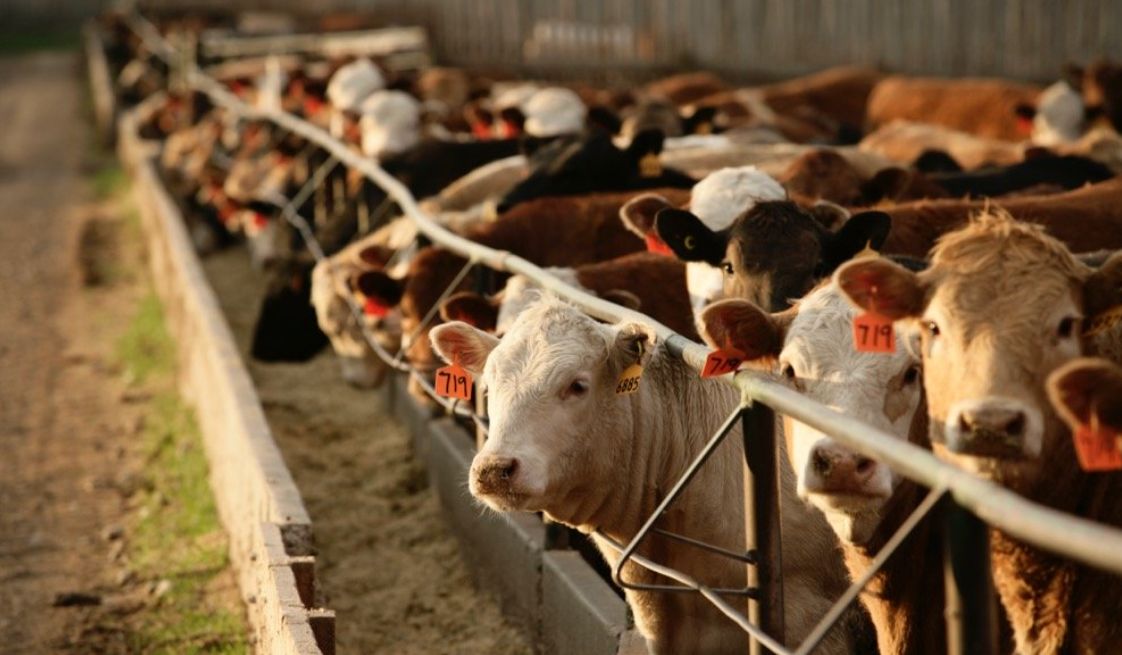
The assessment adopted a value chain approach, covering major areas of livestock production and related support services. These include cattle production, dairy, poultry, sheep and goats, piggery, micro livestock, feed and fodder systems, veterinary services, transportation logistics and market infrastructure.
According to the ministry, examining the entire value chain will provide a broader understanding of how different parts of the sector interact and where targeted interventions may be needed. Officials said the study is expected to reveal production bottlenecks, infrastructure gaps, supply chain constraints and emerging market opportunities.
To ensure national representation, field activities were conducted across six states selected to reflect Nigeria’s geographical diversity and the varying patterns of livestock production across the country. The ministry said the selected states were chosen to provide balanced insight into regional realities, production systems and market conditions.
A wide range of stakeholders participated in the exercise. These included livestock farmers, pastoralists, ranch operators, processors, traders, marketers, input suppliers, service providers and government regulatory institutions. According to the ministry, the broad consultation was necessary to capture multiple perspectives on the challenges and opportunities shaping the industry.
Officials said the consultations generated useful insights into production constraints, market trends, access to inputs, infrastructure needs and other critical factors affecting sector performance. Interviews with government officials, technical specialists and private sector players also contributed valuable perspectives that will help shape the final findings.
The ministry explained that the outcome of the baseline study will serve as an important benchmark for measuring future progress and evaluating the impact of government interventions. It added that the findings will also help improve coordination among stakeholders and support more effective planning within the livestock industry.
The Federal Ministry of Livestock Development said the final report is expected to be released in the coming weeks. According to officials, the findings will support the government’s wider goals of strengthening food security, promoting economic diversification, creating jobs and improving sustainable livelihoods across Nigeria.