Troops of the Joint Task Force (North-East), Operation HADIN KAI, successfully repelled a large and coordinated attack launched by suspected ISWAP fighters on military positions in Buni Gari, Yobe State, in the early hours of Friday, May 8, 2026.
The attack targeted the Headquarters of 27 Brigade and the Buni Gari checkpoint. Military authorities said the insurgents attempted to overrun the locations in a carefully coordinated night assault, but were met with heavy resistance from troops who held their positions and inflicted significant losses on the attackers.
According to the Media Information Officer of Headquarters Joint Task Force (North-East) Operation HADIN KAI, Lieutenant Colonel Sani Uba, the terrorists began the offensive at about 2:00 a.m., taking advantage of darkness and advancing from several directions at the same time. He explained that the first wave of attackers approached from the western flank. As the battle intensified, additional fighters pushed forward from the southern axis through Ganinga Junction, while another group advanced from the south-western direction in what appeared to be an attempt to surround and overwhelm the troops.
He stated that the soldiers responded with exceptional discipline, courage and tactical coordination. Rather than giving ground, the troops mounted a determined offensive-defensive operation, combining direct combat with carefully deployed indirect fire to weaken the insurgents from multiple points. He said the coordinated response steadily broke the momentum of the attack and prevented the terrorists from breaching any part of the military formation.
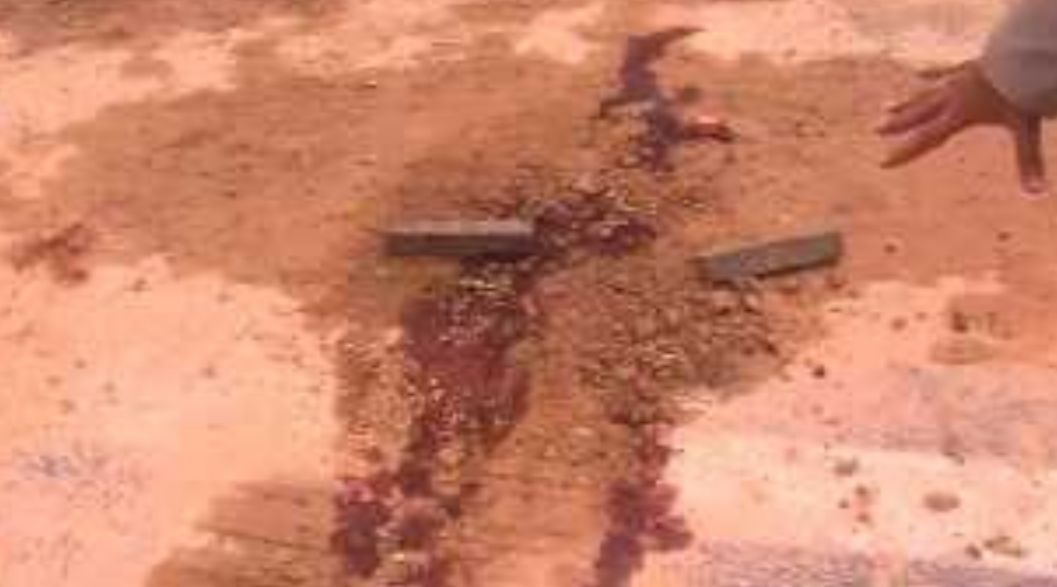
Lieutenant Colonel Uba stressed that at no time did the terrorists succeed in entering the camp. He said the defensive line remained intact throughout the engagement, despite the intensity of the assault. According to him, the level of resistance encountered by the insurgents forced them into a chaotic retreat. He added that fleeing fighters were seen evacuating some of their dead and wounded, while visible blood trails along escape routes pointed to the heavy casualties they suffered during the failed operation.
Military authorities said no fewer than 50 terrorists were neutralised during the encounter. During exploitation of the battlefield and surrounding areas, troops recovered 10 bodies within the immediate vicinity of the attacked positions. Further human intelligence gathered after the battle indicated that more than 20 additional bodies were found scattered in bushes around Gashua, Azare and Kamuya, along the routes used by the insurgents while withdrawing.
The military also revealed that the Air Component of Operation HADIN KAI played a major role in the success of the operation. Lieutenant Colonel Uba explained that the air unit maintained persistent Intelligence, Surveillance and Reconnaissance coverage throughout the battle, providing real-time situational awareness and helping ground forces identify confirmed enemy positions.
He said this close coordination between air and ground forces made it possible to launch precision air interdiction strikes against the fleeing terrorists. Aircraft reportedly tracked retreating insurgents along their withdrawal corridors and accounted for an additional 20 neutralised fighters. He added that subsequent intelligence reports later confirmed several more dead bodies along the escape routes, further highlighting the scale of the losses suffered by the attackers.
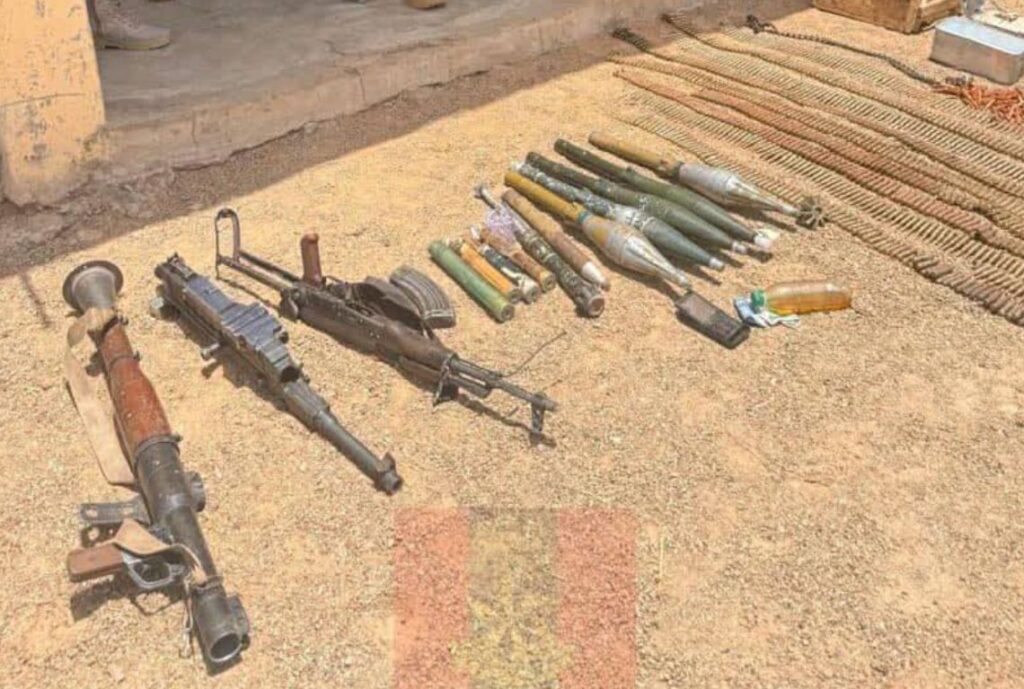
A large quantity of weapons and military equipment was recovered after the battle. Items recovered included eight AK-47 rifles, two General Purpose Machine Guns, two Rocket-Propelled Grenade tubes, five RPG bombs, three RPG chargers, two boxes of 7.62mm ammunition, two fully loaded magazines, nine bandoliers of 7.62mm ammunition and three Improvised Explosive Device canisters.
Military authorities noted that the quantity and type of weapons recovered showed that the insurgents had planned a major offensive with the intention of causing substantial damage. However, the failed attack instead exposed what officials described as the growing operational weakness and desperation of terrorist elements in the North-East.
Lieutenant Colonel Uba said troops, working together with volunteer forces, have continued aggressive exploitation operations across the wider area. He explained that the ongoing operation is aimed at consolidating the gains already recorded, tracking down fleeing terrorists and preventing any attempt by surviving fighters to regroup or launch fresh attacks.
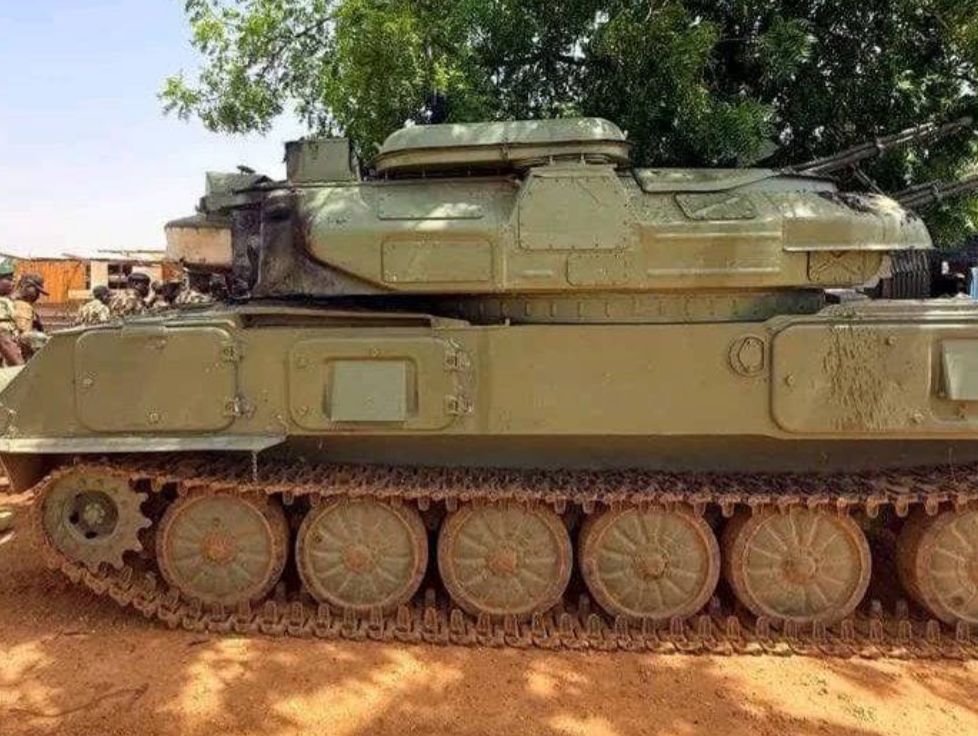
He also disclosed that some military equipment, including Mine-Resistant Ambush Protected vehicles and gun trucks, sustained minor damage during the engagement. He added that all wounded personnel are in stable condition and are receiving proper medical care.
The military, however, confirmed that two soldiers lost their lives during the battle. Lieutenant Colonel Uba described their deaths as a painful sacrifice made in the line of duty. He said their courage, commitment and dedication represent the highest traditions of military service and national defence.
He stated that Operation HADIN KAI honours the fallen soldiers and commends all personnel who stood firm against what he described as a determined but ultimately unsuccessful enemy assault. According to him, the latest failed attack is another indication that terrorist groups operating in the region are coming under increasing pressure and suffering heavy setbacks as sustained military operations continue across the North-East.