Nigeria’s foreign exchange market recovery gained further momentum in 2025 as autonomous inflows surged to $112bn following reforms introduced by the Central Bank of Nigeria, including the clearance of over $7bn in outstanding forex obligations.
Analysts said the settlement of the backlog significantly improved investor confidence, strengthened dollar inflows and boosted Nigeria’s external reserves.
Data from the Financial Markets Dealers Association showed that autonomous inflows such as diaspora remittances, foreign portfolio investments and non-oil export earnings accounted for the bulk of forex inflows into the economy during the year.
According to the report, autonomous inflows rose sharply to $72.91bn in 2025 from $59.29bn in 2024 and $41.80bn in 2023, highlighting growing private-sector participation in Nigeria’s forex market.
The report also showed that total foreign exchange inflows climbed to $112bn in 2025 as economic reforms and improved market transparency attracted fresh capital into the economy.
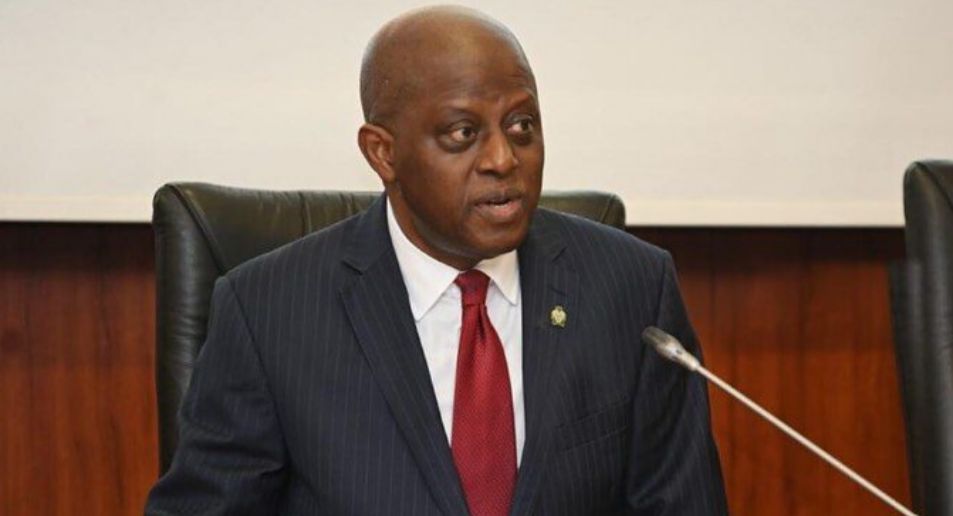
CBN Governor, Olayemi Cardoso, said clearing the outstanding forex obligations was necessary to restore credibility and reassure investors that Nigeria remains committed to honouring its financial obligations.
He explained that credibility and trust are essential for attracting investments into any economy.
According to Cardoso, although funding the settlement initially appeared difficult, the apex bank considered it important to pay verified claims to rebuild confidence in Nigeria’s financial system.
The CBN subsequently conducted a forensic audit to verify the claims before proceeding with the settlement process.
Analysts noted that the move, alongside exchange rate reforms and improved transparency in the forex market, encouraged more investors to channel funds into the Nigerian economy.
The FMDA report also revealed that the Central Bank’s forex sales increased by more than 126 per cent in 2025, rising to $8.94bn from $3.95bn recorded the previous year.
Meanwhile, total forex utilisation climbed to $47.17bn, largely driven by rising demand for invisible transactions and industrial imports.
Invisible transactions — including financial services, international payments and other cross-border obligations — increased significantly to $27.27bn in 2025 from $11.10bn in 2024.
Financial services alone accounted for $21.22bn of total forex utilisation during the period.
Import-related forex demand also rose to $19.90bn, with the industrial sector accounting for the highest share of merchandise-related demand.
The report further showed that oil-sector forex demand nearly doubled during the year, while business services demand recorded a sharp increase.
International credit rating agencies also reacted positively to Nigeria’s reforms.
Fitch Ratings upgraded Nigeria’s outlook from negative to stable, citing improved policy credibility and reduced macroeconomic risks following exchange rate liberalisation, tighter monetary policies and fiscal reforms.
S&P Global Ratings also revised Nigeria’s outlook to positive, while Moody’s upgraded the country’s rating after noting improvements in fiscal and external conditions.
The agencies credited the foreign exchange reforms introduced by the CBN for improving economic stability and restoring investor confidence.
Chief Executive Officer of the Centre for the Promotion of Private Enterprise, Dr Muda Yusuf, said the surge in autonomous inflows reflects the positive impact of the reforms.
According to him, diaspora remittances, non-oil exports and portfolio investments increased because investors now have greater confidence in the economy.
Yusuf also explained that rising invisible transactions indicate increased international business activities within Nigeria’s economy.
Chief Executive Officer of ECL Asset Management, Charles Fakrogha, said the forex reforms and exchange rate unification contributed significantly to current market stability.
He noted that the unification policy reduced speculative activities and improved liquidity within the foreign exchange market.
Globalview Capital CEO, Aruna Kebira, also attributed the improved inflows to stronger regulation, financial sector recapitalisation and increasing confidence among Nigerians in the diaspora.
According to him, foreign and diaspora investors are increasingly showing interest in Nigeria’s financial markets and investment opportunities following recent reforms.
Since assuming office in October 2023, Cardoso has prioritised reforms aimed at rebuilding Nigeria’s financial buffers, stabilising the forex market and attracting sustainable foreign investments into the economy.