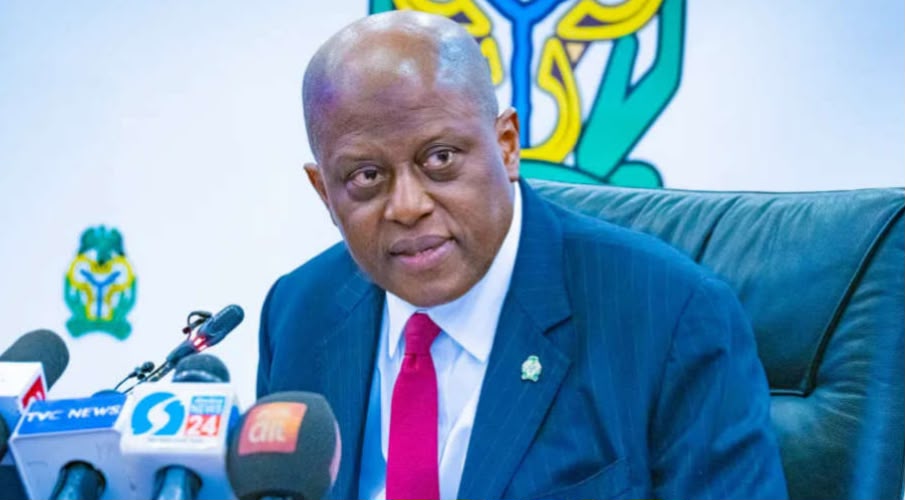
The Governor of the Central Bank of Nigeria (CBN), Olayemi Cardoso, says Nigeria’s gross external reserves have increased to $52.52 billion as of July 17, 2026, driven mainly by higher inflows from crude oil-related taxes and third-party receipts.
Cardoso disclosed this on Tuesday while briefing journalists after the Monetary Policy Committee (MPC) meeting in Abuja.
According to him, the country’s external reserves rose from $50.47 billion recorded at the end of May 2026 to $52.52 billion, reflecting improved foreign exchange inflows.
The CBN governor said the current reserve level is enough to finance about 11 months of imports of goods and services, well above the international benchmark of three months’ import cover.
He noted that the stronger reserve position demonstrates the resilience of Nigeria’s external sector and provides a better cushion against external economic shocks.
However, checks on the CBN’s website showed slightly different figures, indicating that the country’s foreign reserves stood at $51.94 billion on July 17 and later increased to $52.02 billion by July 20, differing from the figures announced by Cardoso.
Meanwhile, the apex bank recently introduced new operational guidelines for Bureau de Change (BDC) operators purchasing foreign exchange from authorised dealer banks.
The guidelines, issued on July 15, introduced stricter compliance requirements and an electronic transaction portal for BDC operators.
According to the CBN, the framework takes immediate effect and provides the operational procedures for implementing its February 10, 2026 circular, which granted licensed BDC operators access to the official foreign exchange market through authorised dealer banks.