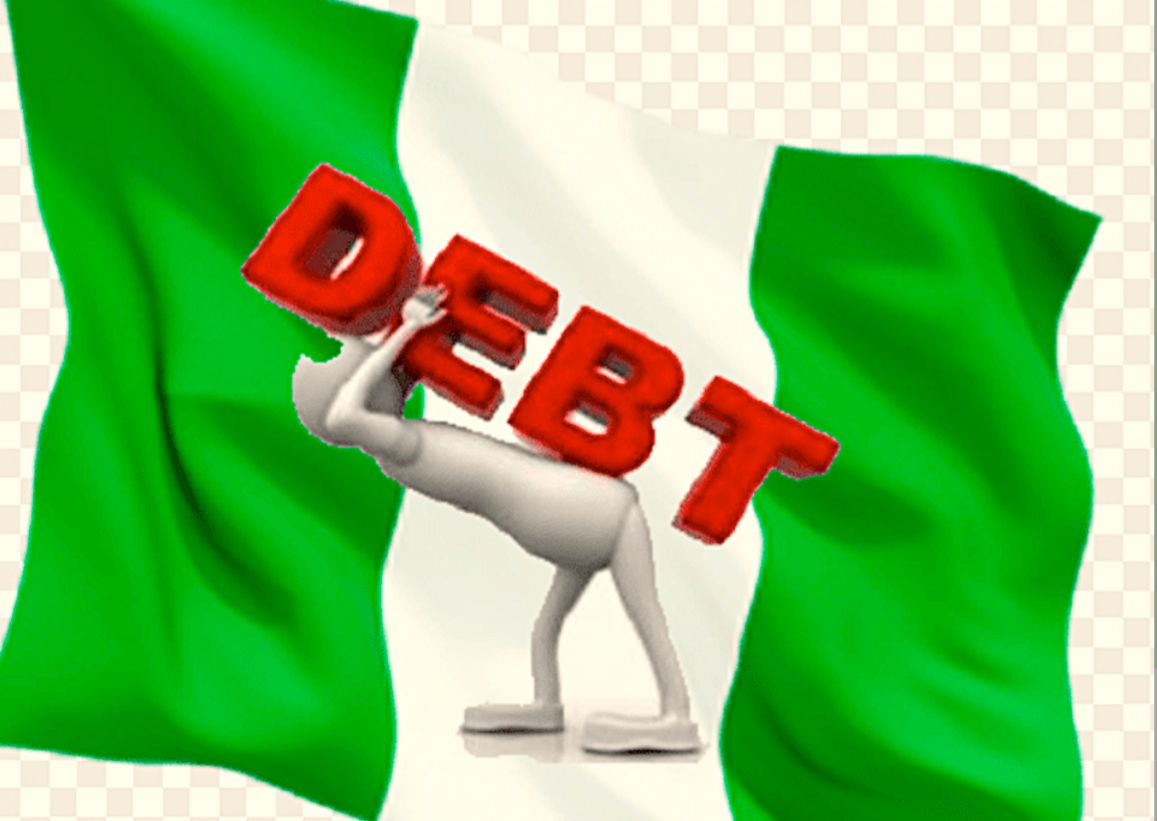
Nigeria’s rising debt profile is drawing fresh concern as financial experts warn that the country may be heading toward a dangerous fiscal path driven by rapid borrowing and growing financial pressure.
A recent analysis by CFG Advisory has highlighted the pace at which Nigeria’s debt is increasing, raising red flags about the long-term impact on the economy.
Debt Levels Climb at an Alarming Rate
According to CFG Advisory’s Chief Executive, Tilewa Adebajo, Nigeria’s domestic debt has grown sharply — jumping from about ₦54 trillion in June 2023 to nearly ₦90 trillion by December 2025. As of April 2026, the figure is already approaching the ₦100 trillion mark.
External debt has also seen a significant rise, increasing from $41 billion to around $60 billion within the same period.
This rapid growth, Adebajo warns, poses serious risks to Nigeria’s economic stability.
Concerns Over Borrowing Strategy
A major issue highlighted is Nigeria’s increasing dependence on dollar-denominated loans from foreign commercial banks. These loans are often backed by local government securities, creating additional financial exposure.
Even more concerning, according to the report, is how these funds are being used. Adebajo noted that a large portion of the borrowed money is spent on recurrent expenses and projects that do not generate enough returns to repay the loans.
Government’s “High-Frequency Borrowing” Pattern
The widening fiscal deficit has pushed the government into what experts describe as a “high-frequency borrowing model,” where frequent debt auctions — sometimes monthly — have become a key source of funding.
Domestic borrowing alone has surged dramatically over the past five years, increasing nearly fourfold.
In 2026, borrowing has already reached ₦8.1 trillion between January and April — about 80% of the ₦10 trillion recorded for the entire year of 2025.
Shift in Debt Structure
There is also a noticeable shift in how the government is borrowing. Authorities are now issuing more long-term bonds, with offer sizes rising by over 60% compared to last year. Meanwhile, the use of treasury bills has dropped by about 15%.
This change signals a move toward longer repayment periods, but also increases long-term financial obligations.
Warning Signs for the Economy
If the current pace continues, Adebajo projects that total borrowing for 2026 could exceed ₦24 trillion — more than double the previous year’s total.
“This trajectory is clearly unsustainable,” he warned.
Experts caution that this trend could:
• Worsen Nigeria’s already high debt servicing burden
• Put pressure on government revenue
• Limit access to credit for private businesses
• Slow down economic growth
• Increase inflation
There are also concerns that continued borrowing at this rate could violate fiscal regulations and weaken overall economic confidence.
Final Thoughts
As Nigeria continues to rely heavily on borrowing to fund its budget, concerns are growing over how sustainable this strategy is in the long run.
For many analysts, the message is clear — without urgent fiscal reforms and better revenue generation, the country risks facing deeper economic challenges in the near future.