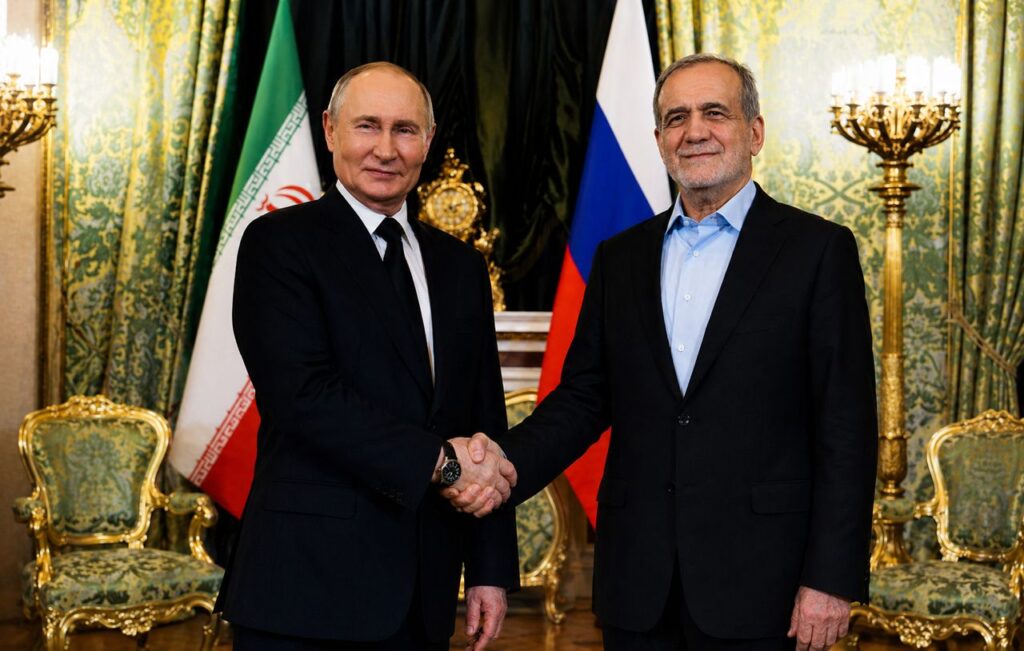
Putin Signals Support for Iran, Calls for Peaceful Resolution Amid Rising Middle East Tensions
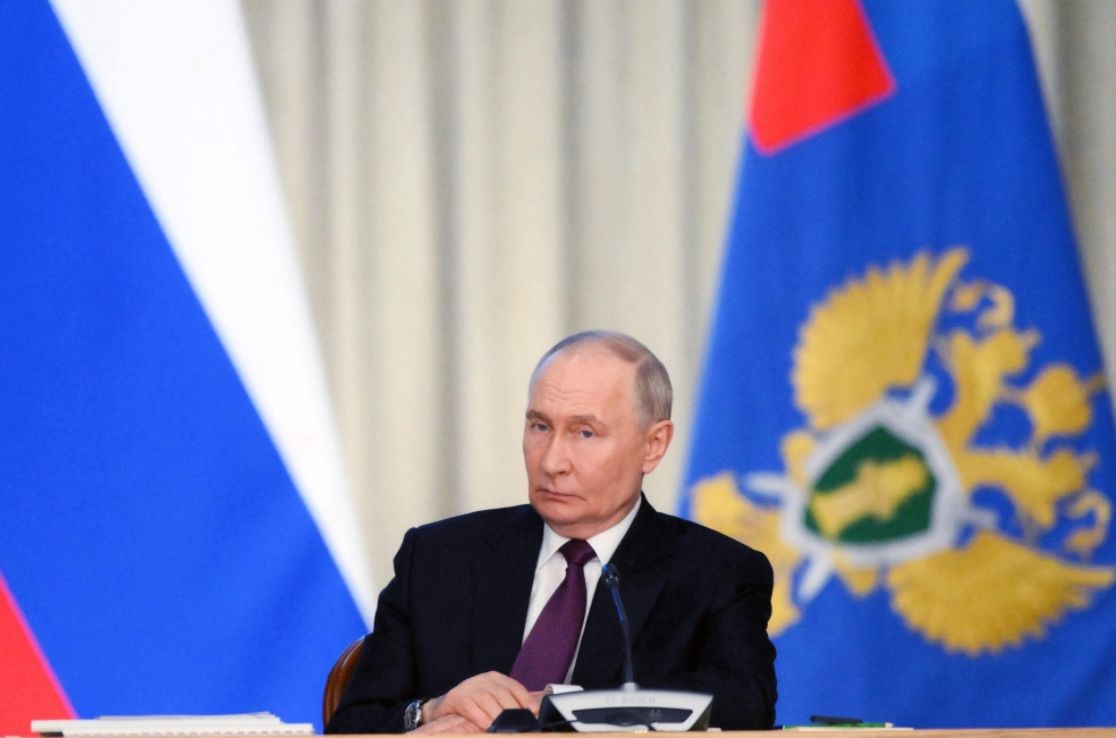
Russian President Vladimir Putin has reaffirmed Moscow’s support for Iran while expressing optimism about a peaceful resolution to escalating tensions in the Middle East. This came during a high-level meeting with Iran’s Foreign Minister, Abbas Araghchi, held in St. Petersburg on Monday.
Speaking during the talks, Putin acknowledged that Iran is navigating a challenging period but voiced confidence in its ability to overcome the situation. He emphasized Russia’s willingness to play a constructive role in restoring stability across the region.
“For our part, we will do everything that serves your interests and the interests of the people in the region, so that peace can be achieved as soon as possible,” Putin stated, according to Russia’s state media.
The meeting took place against the backdrop of stalled diplomatic efforts between Tehran and Washington. Negotiations have struggled to progress, with both sides failing to agree on critical issues surrounding Iran’s nuclear ambitions and broader regional security concerns.
Despite its longstanding alliance with Iran, Russia has remained cautious about direct involvement in the Middle East crisis, as it continues to focus on its ongoing military operations in Ukraine.
Araghchi’s visit to Moscow follows a series of diplomatic missions to countries including Pakistan and Oman, aimed at reviving dialogue and easing tensions. Reports indicate that Iran has floated new proposals, including reopening the Strait of Hormuz as part of a potential agreement with the United States, alongside a suggestion to delay nuclear negotiations.
Meanwhile, former US President Donald Trump appeared to respond to the development, with a White House spokesperson noting that the United States maintains a strong negotiating position.
Iranian state media reports that Tehran is still actively pursuing diplomatic solutions, including sending written communications to Washington through Pakistan as an intermediary. However, Araghchi placed blame on the United States for the breakdown of earlier discussions held in Pakistan in mid-April.
He argued that excessive demands from the US prevented the talks from reaching a successful conclusion, despite signs of progress.
Highlighting the broader implications of the situation, Araghchi also stressed the importance of maritime security, describing safe navigation through the Strait of Hormuz as a critical global concern.
The strategic waterway remains a vital route for international oil and gas shipments, and recent disruptions have raised alarms about potential impacts on global energy supply and economic stability.
At the same time, Washington continues to apply pressure on Tehran, particularly targeting its fossil fuel exports, while insisting that Iran halt uranium enrichment activities over fears of nuclear weapon development. Iran, however, maintains that its nuclear program is intended solely for peaceful purposes.