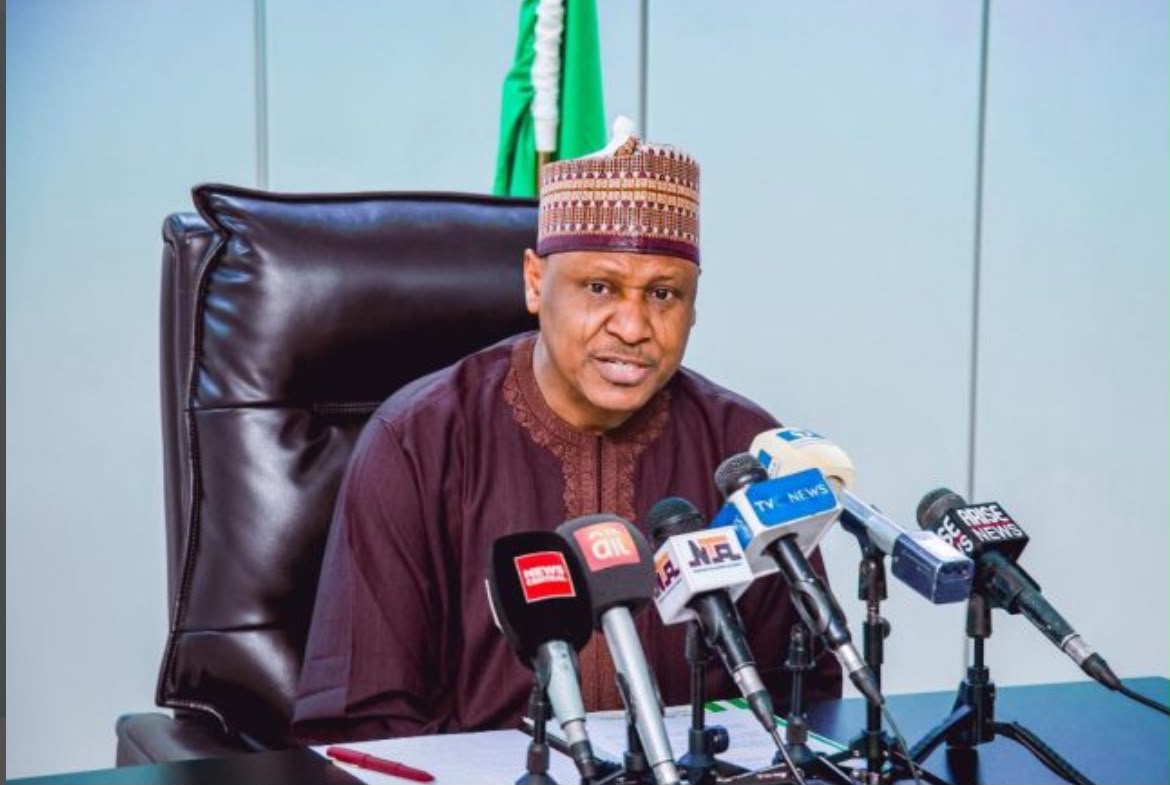
The Minister of Information and National Orientation, Mohammed Idris, has warned against calls to restore petrol subsidy, saying returning to the old system could undermine the economic reforms introduced by President Bola Ahmed Tinubu’s administration.
Idris said Nigeria had spent about $10 billion on fuel subsidies in 2022, despite declining oil production and weak government revenues. He argued that the subsidy regime placed pressure on public finances and diverted resources that could have been used for development.
“Nigeria cannot build tomorrow’s economy by returning to yesterday’s unsustainable subsidy regime. We have moved beyond that model.”
Speaking during the presentation of the “Nigeria’s Reform Scorecard: The Benefits, Costs and Harms Prevented,” the minister said subsidy reforms had created wider fiscal space for the three tiers of government.
He cited Finance Minister Taiwo Oyedele’s figure of N15.8 trillion in subsidy savings between June 2023 and December 2025, clarifying that the amount was not sitting in a separate government account but represented resources released into the wider Federation fiscal system.
According to Idris, the additional resources have helped states and local governments meet salary and pension obligations while supporting infrastructure and essential services such as healthcare, education and roads.
At the federal level, he said the increased fiscal capacity had supported about N6.47 trillion in additional strategic infrastructure spending, covering transport, housing, agriculture, security and other sectors.
He also highlighted more than N400 billion committed to social investment programmes, including N223.8 billion for NELFUND, N150 billion for MREIF and N50 billion for CREDICORP.
Idris said the reforms had also contributed to increased investor confidence, with Nigeria’s stock market described as the world’s best-performing market in 2026, while foreign reserves had risen to their highest level in nearly 20 years. He added that oil production had exceeded Nigeria’s OPEC quota for the first time in years.
The minister also pointed to increased domestic refining capacity, warning that reversing the current policy direction could undermine investment and efforts to strengthen Nigeria’s energy security.
He acknowledged that subsidy removal had caused significant hardship and that the reforms had not solved all of Nigeria’s economic challenges.
“The proper response to the hardship associated with reform is not to dismantle the reform; it is to accelerate the benefits.”
Idris said the government’s focus remained on translating the increased fiscal capacity into better services, jobs, infrastructure and improved living standards, while maintaining fiscal sustainability and policy stability.
Source: Federal Ministry of Information and National Orientation.