Diplomatic tensions between South Africa and the United States have taken another turn after Pretoria summoned US Ambassador Brent Bozell for the third time since he assumed office nine months ago.
A senior South African foreign ministry official said Bozell was called in to explain what the government described as “undiplomatic conduct.”
The ambassador was summoned on Tuesday, shortly after publishing a strongly worded opinion piece accusing the South African government of hostility towards the United States. His appearance before the foreign ministry also followed a series of critical interviews with South African media.
“He was called in to explain his undiplomatic conduct,” the official said.
The official added that it was the third diplomatic reprimand, or demarche, issued to Bozell since he began his posting in February.
“It was the third demarche since he started his duties nine months ago. This is a record,” the official said.
Tensions between Washington and Pretoria
Relations between the two countries have been strained by disagreements over several issues.
These include South Africa’s legal action against Israel, a US ally, as well as President Donald Trump’s disputed claims concerning the treatment of white Afrikaners in South Africa.
The two governments have also disagreed over South Africa’s policies aimed at addressing racial and economic inequalities that have persisted decades after the end of white-minority rule.
Among the contentious issues are legislation concerning black economic empowerment and the ownership and use of land, much of which remains in the hands of white South Africans.
In September, Washington announced visa restrictions targeting South Africans accused of promoting “race-based discrimination, incit[ing] violence, or enabl[ing] land confiscation without compensation.” Pretoria has disputed the US position on these issues.
Relations deteriorated further after Trump returned to the White House, with his administration cutting aid to South Africa and expelling the South African ambassador.
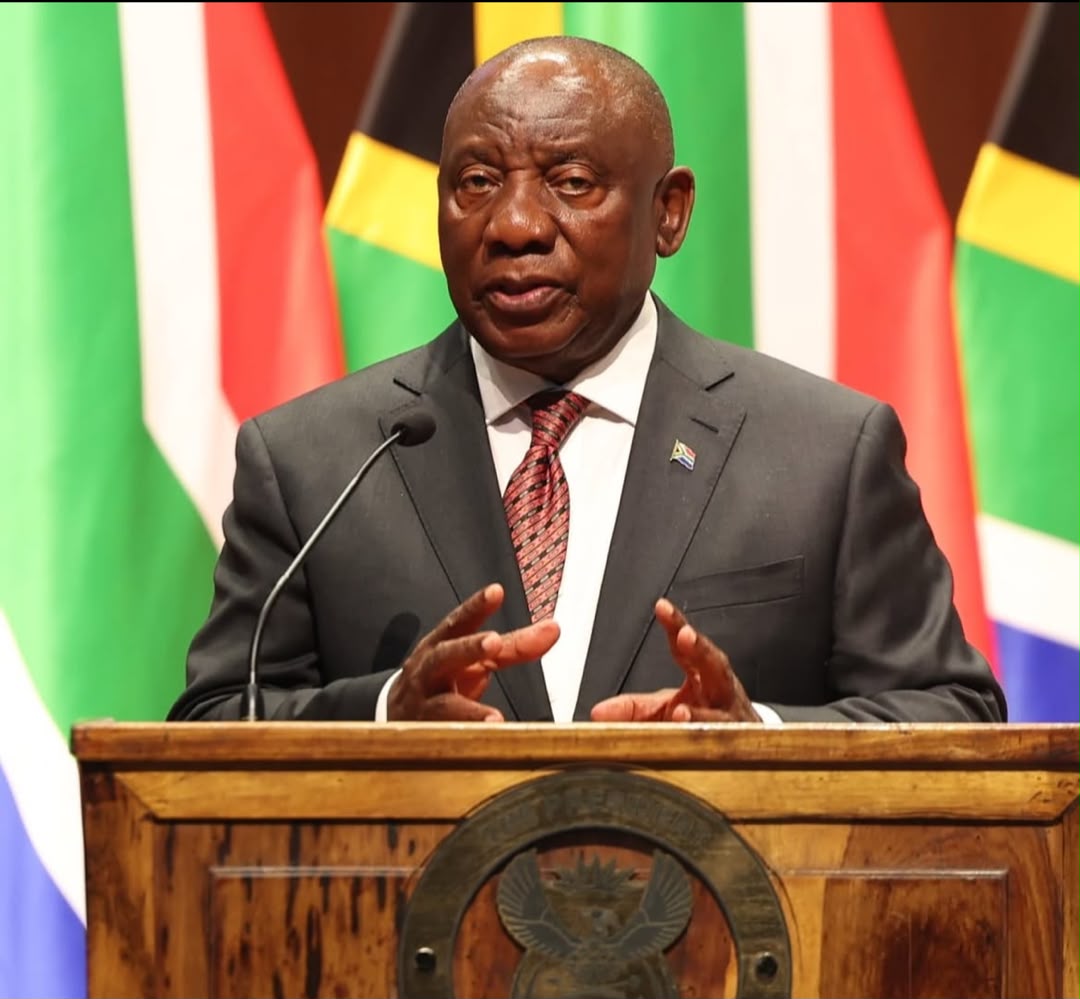
Trump also confronted President Cyril Ramaphosa in the Oval Office over allegations of “white genocide,” claims that have been widely disputed.
The US also introduced a programme last year to resettle thousands of white Afrikaners who say they face persecution and rural crime in South Africa.
Despite the disagreements, a South African foreign ministry official said both countries remained engaged in discussions aimed at resolving their differences.
“Differences between the two nations are a subject of ongoing discussions,” the official said.
“There is commitment from both sides to resolve the outstanding matters.”
US envoy says Washington has ‘run out of patience’
Bozell, however, expressed frustration with the pace of diplomatic engagement in an opinion article published on the US embassy website.
“At this point we find it a useless proposition to continue with endless dialogue leading nowhere,” he wrote.
The ambassador said Washington had “run out of patience” because Pretoria had not adequately addressed some of the issues raised by the US government.
One of Washington’s demands is for Ramaphosa to condemn the controversial anti-apartheid chant “Kill the Boer”, which critics interpret as a call for violence against the white Afrikaner community.
The chant remains highly controversial in South Africa. It is reportedly used by a small radical group, while South African courts have ruled that it does not amount to hate speech and that its meaning should be considered within the historical context of the struggle against white-minority rule.
Bozell was previously summoned by the South African government in March, only weeks after taking up his diplomatic post, following comments related to the same issue.
Other US demands
According to Bozell, Washington has also called for rural crime in South Africa to be treated as a priority.
He said the US government wanted South Africa to extend alternatives to its black economic empowerment requirements in the business sector to industries including telecommunications and mining.
Pretoria has repeatedly rejected what it considers attempts by Washington to interfere with its sovereign authority to determine its domestic policies.
Bozell nevertheless urged the South African government to reconsider its position and improve relations with Washington.
“The South African government does not want a constructive relationship with the United States,” Bozell said.
“We eagerly hope the South African government will rethink this hostility.”
The latest diplomatic dispute comes as the two countries continue to negotiate their differences while maintaining significant economic ties. The United States remains South Africa’s largest trading partner on the African continent, with more than 500 US businesses and about 30,000 US citizens based in the country.
Source: AFP.