Iran has received an official response from the United States to its proposal aimed at ending the ongoing conflict and reopening the strategically important Strait of Hormuz.
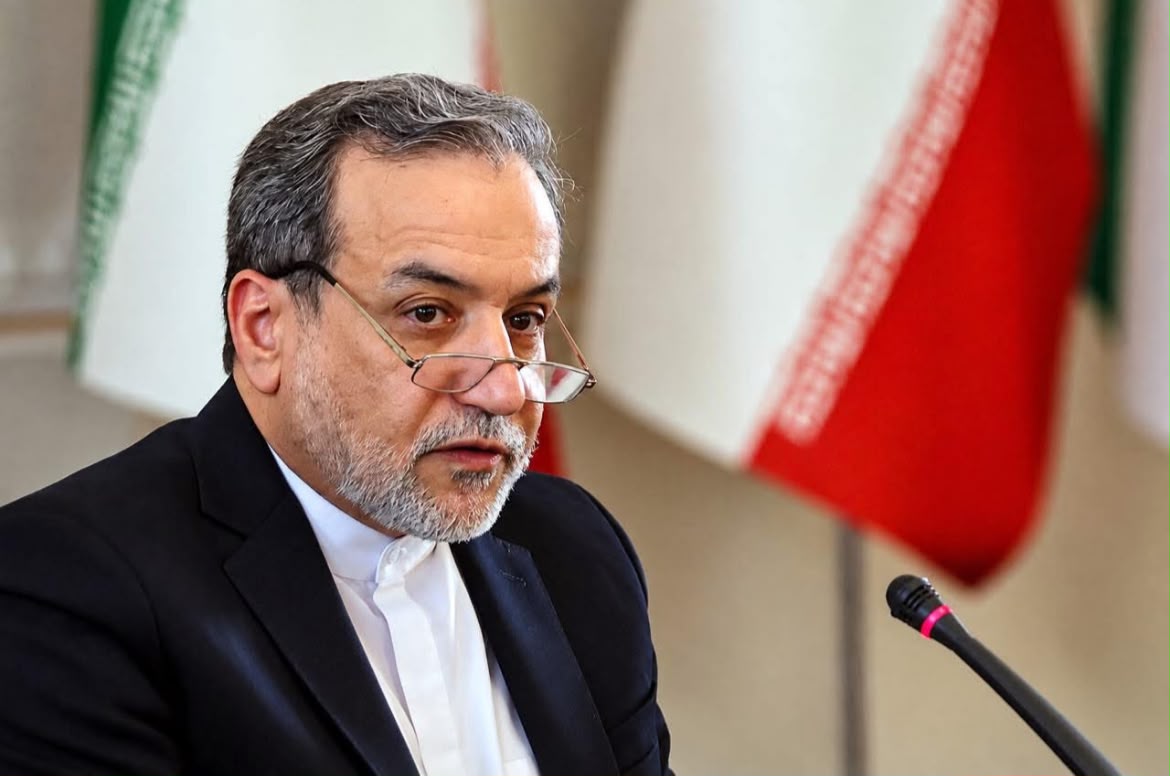
Iranian government spokeswoman Fatemeh Mohajerani confirmed the development on Wednesday, saying Foreign Minister Abbas Araghchi presented the American response to President Masoud Pezeshkian during a cabinet meeting.
“At today’s cabinet meeting, the American side’s proposal was presented to President Masoud Pezeshkian by Foreign Minister Abbas Araghchi,” Mohajerani said.
The development comes days after US President Donald Trump publicly rejected Iran’s proposal, although Tehran had continued waiting for a formal response through Qatari mediators.
Indirect discussions between Washington and Tehran resumed last week on the sidelines of the United Nations General Assembly after months of conflict.
Iran had proposed a seven-day framework under which the Strait of Hormuz could be reopened and normal maritime traffic restored if certain conditions were met.
The waterway has become a major point of contention in the conflict because of its importance to global oil and gas shipments.
Iran has demanded several measures as part of any arrangement to end the fighting, including a broader ceasefire across the Middle East, the release of frozen Iranian assets abroad, an easing of sanctions on its oil sector and an end to the US naval blockade of Iranian ports.
Tehran has also called for an end to hostilities in Lebanon, where its ally Hezbollah has been involved in fighting with Israeli forces.
Tensions Continue Around Strait of Hormuz
Although fighting has eased in recent weeks, tensions around the Strait of Hormuz remain high.
Iran’s Islamic Revolutionary Guard Corps has said it continues to prevent some smaller vessels from passing through the waterway.
“We have been striking ships for quite some time now — specifically the small vessels I mentioned that attempt to pass. We block their passage, yet the US has not retaliated for a while,” IRGC spokesman Hossein Mohebi said on state television.
The disruption around the strait has affected international shipping and energy markets, given the waterway’s importance to global oil and gas trade.
The United States, meanwhile, has continued its economic pressure campaign against Tehran, including new sanctions targeting Iranian airlines and warnings against foreign companies that assist them.
The latest exchange of proposals keeps diplomatic channels open between Washington and Tehran, but the contents of the US response have not yet been publicly disclosed.
Further discussions are expected as both sides consider the conditions and sequence required for a possible agreement.
Source: AFP.