The Federal Government has announced plans to gradually phase out electricity subsidies from 2027, as part of efforts to reduce the growing financial burden in Nigeria’s power sector.
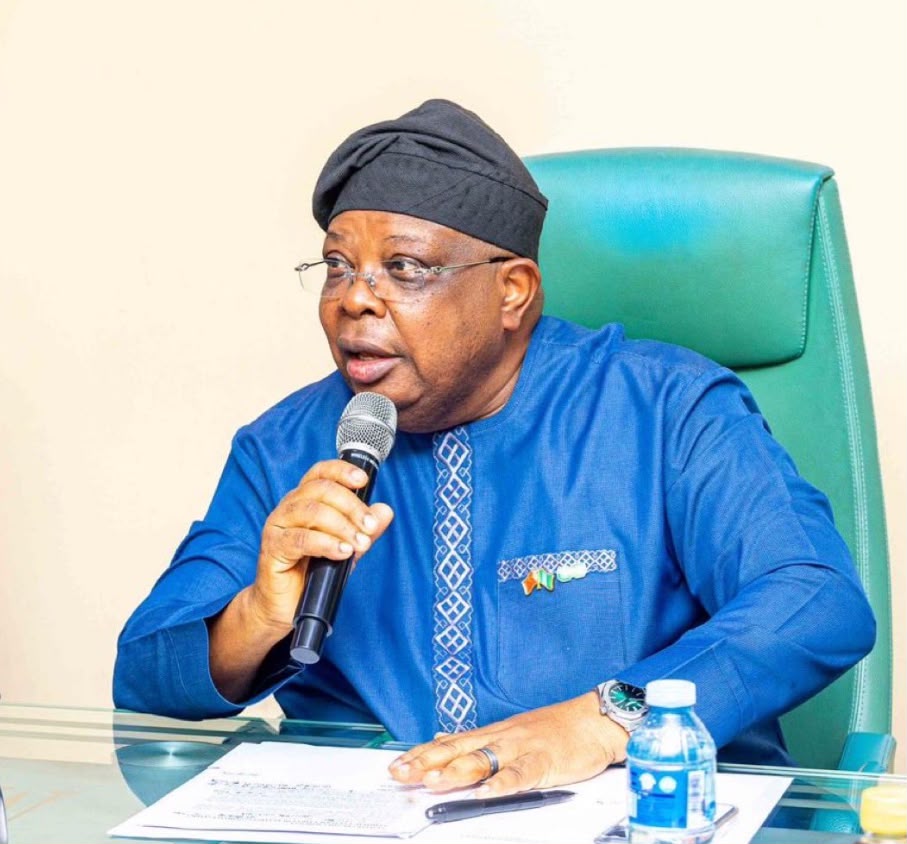
Minister of Power Joseph Tegbe disclosed this during a media interactive session on Friday, explaining that the move is aimed at clearing legacy debts while ensuring the electricity industry becomes financially sustainable.
According to the minister, the subsidy removal will be gradual, assuring Nigerians that consumers will continue to have access to electricity and improved power services.
“We have the mandate of Mr President to clear the legacy debt and come up with sustainable structures to make sure this doesn’t pile up any more,” Tegbe said.
He added that the government intends to bring an end to electricity subsidy payments next year as preparations continue for the full implementation of the policy.
“By God’s grace, we will put a stop to this so-called subsidy in the power sector. We will not deprive Nigerians of anything. We’ll make sure Nigerian consumers continue to have power and improve power services,” he stated.
Despite the planned subsidy removal, the minister clarified that the Federal Government has no immediate plans to increase electricity tariffs.
The announcement follows repeated recommendations by the International Monetary Fund (IMF) for Nigeria to gradually eliminate electricity subsidies.
The Federal Government had earlier estimated the electricity subsidy bill at about ₦3 trillion as of February 2024, while the Association of Power Generation Companies (GenCos) says operators are currently owed about ₦6.5 trillion.
To address the mounting debt, President Bola Tinubu recently approved a ₦4 trillion bond programme to settle outstanding obligations in the power sector.
Earlier this year, the government issued an inaugural ₦501 billion bond under the Presidential Power Sector Debt Reduction Programme, followed by a ₦729 billion second tranche announced in July to pay verified debts owed to electricity generation companies.
The government has also directed ministries, departments and agencies to rely on existing electricity laws when determining how subsidy costs should be shared among the federal, state and local governments in the 2026 budget.