
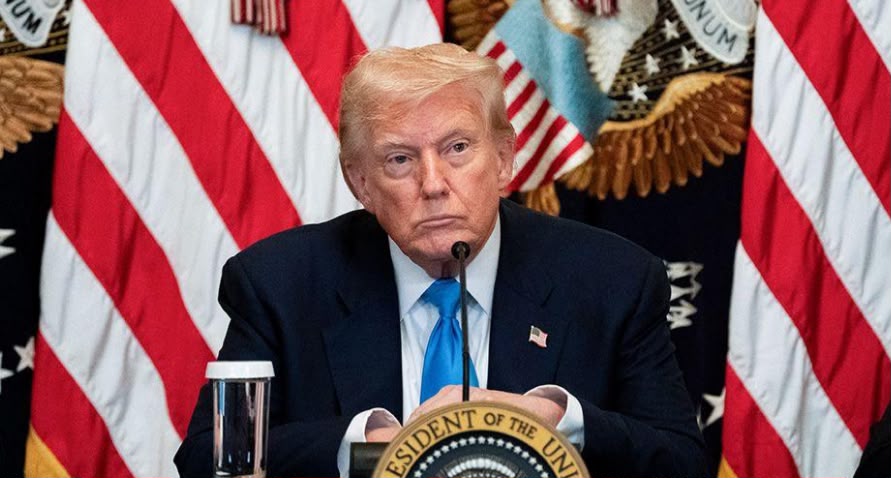
Nigeria is among 60 countries affected by a new round of tariffs announced by US President Donald Trump, as Washington intensifies efforts to crack down on imports linked to forced labour.
Under the new policy, Nigerian exports to the United States will attract a 12.5% tariff, with the US government saying the affected countries failed to adequately prevent the importation of goods produced through forced labour.
The new tariffs, which took effect on Thursday, range from 10% to 12.5% and apply to countries that account for about 99.4% of US imports.
Announcing the decision, US Trade Representative Jamieson Greer said the measure was introduced at President Trump’s directive.
“Today’s action will begin to correct what is both a human rights abuse and distortive trade practice to improve the welfare of workers everywhere,” Greer said.
According to the US government, the tariffs will apply to most goods imported from the affected countries, including Nigeria.
However, certain products will be exempt, including raw materials that could create domestic shortages in the United States, goods that may cause major economic disruptions, and products that cannot be produced in sufficient quantities within the country or sourced elsewhere.
The latest move marks another escalation in the global trade policies introduced by President Trump since returning to office.
In April, the US imposed a 14% tariff on Nigerian imports as part of broader global trade measures.
Later in August, Nigeria and several other African countries were also affected by a 15% import tariff following another executive order signed by Trump.
The latest tariffs have sparked criticism from several countries.
Australia and Brazil described the new taxes as unjustified and said they would push for their removal, while Norway insisted there was “no basis” for the decision.
The European Union (EU) also questioned Washington’s justification for the tariffs, while China dismissed the move as “political manipulation.”
The new trade policy is expected to affect businesses exporting goods to the United States, while global markets continue to monitor the growing trade tensions between Washington and its trading partners.