Global oil prices climbed close to $110 per barrel on Sunday as tensions between the United States and Iran continued to escalate over the ongoing Middle East conflict and the closure of the Strait of Hormuz.
Data from Oilprice.com showed crude prices rising to about $109.3 per barrel, extending gains recorded in recent weeks as fears over disrupted global oil supply intensified.
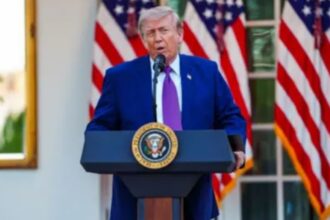
The latest surge follows comments by United States President Donald Trump, who issued a fresh warning to Iran over stalled negotiations aimed at ending the crisis.
Trump, speaking through his Truth Social platform, warned Tehran to act quickly or face severe consequences.
According to him, “time is of the essence,” as diplomatic efforts to secure a ceasefire and reopen the Strait of Hormuz remain deadlocked.
Oil prices have continued climbing from around $107 per barrel last week, increasing concerns over higher fuel costs and rising prices of refined petroleum products globally.
The Strait of Hormuz, one of the world’s most important oil transit routes, has remained under Iranian control since the conflict escalated in February, severely affecting oil transportation and global energy markets.
Reports indicated that Trump recently rejected proposals from Iran aimed at ending the crisis and restoring normal shipping activities through the strait.
The US president also described Iran’s latest response to American proposals as “totally unacceptable.”
However, Iranian authorities defended their position, insisting that their demands were reasonable and aimed at ending hostilities.
Iran’s foreign ministry spokesperson, Esmail Baghaei, reportedly described Tehran’s response as “responsible” and “generous.”
According to reports by Iran’s semi-official Tasnim news agency, Iran’s conditions include an immediate end to military actions across all fronts, including attacks involving Iran-backed Hezbollah in Lebanon.
Tehran is also demanding an end to what it described as the US naval blockade around Iranian ports, guarantees against future attacks and compensation for damages caused by the conflict.
The report further stated that Iran continues to insist on maintaining sovereignty over the Strait of Hormuz.
Trump also claimed that Chinese President Xi Jinping agreed that Iran should reopen the vital shipping route, although Beijing has not officially confirmed plans to intervene in the dispute.
Meanwhile, Iranian Foreign Minister Seyyed Abbas Araghchi said the Strait of Hormuz remains open to commercial shipping, but vessels must cooperate with Iranian naval authorities while passing through the area.
Reports indicated that about 30 Chinese vessels successfully transited the strait on Wednesday despite the heightened tensions.
The ongoing crisis has continued to fuel concerns about global inflation, higher transportation costs and fresh economic pressures for oil-importing countries already battling rising energy prices.