No fewer than 18 countries across Africa, Europe, Asia and the Americas have introduced emergency measures to protect citizens from the impact of rising global fuel prices triggered by growing tensions between the United States and Iran.
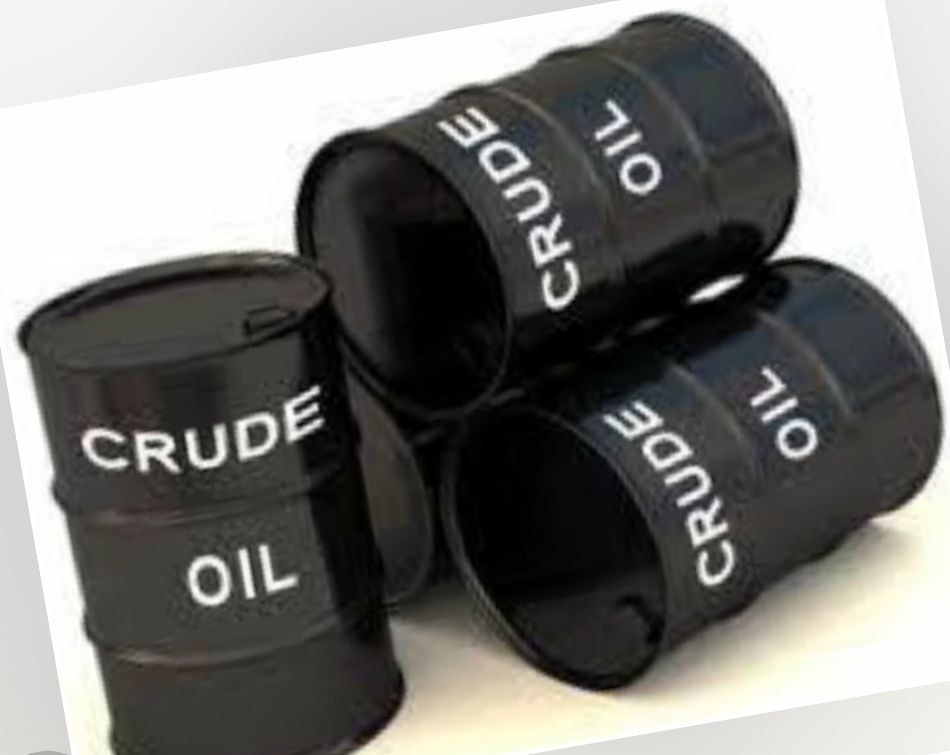
The global energy crisis intensified after escalating geopolitical tensions pushed Brent crude above $105 per barrel, with prices at some points nearing $120 amid fears of disruptions along the Strait of Hormuz, one of the world’s most important oil shipping routes.
As fuel and transportation costs continue rising worldwide, governments have responded with subsidies, fuel tax cuts, electricity support packages, transport assistance and price control measures to ease pressure on households and businesses.
However, despite being Africa’s biggest crude oil producer, Nigeria has yet to announce any major relief package targeted at cushioning citizens from the economic impact of rising energy costs.
African countries roll out support measures
In Kenya, President William Ruto said the government spent about Sh6.5bn on fuel subsidies and also reduced Value Added Tax on petroleum products from 16 per cent to eight per cent to prevent steeper increases in pump prices.
South Africa introduced temporary cuts in fuel levies, reducing petrol prices by 300 cents per litre and diesel by 393 cents per litre as part of efforts to reduce inflationary pressure.
Namibia also reduced selected fuel levies by up to 50 per cent for three months while committing about N$1.3bn through its National Energy Fund to absorb fuel-related costs.
Mozambique introduced temporary tax cuts and transportation support measures to stop transport fares from rising excessively.
Egypt delayed planned fuel price hikes and expanded public transport support programmes, while Morocco increased freight transport subsidies worth more than MAD1bn to support logistics operators facing rising diesel costs.
Tunisia maintained its broad fuel subsidy programme despite fiscal pressure, arguing that removing support during a global oil shock would worsen hardship for citizens.
Asian, European countries expand subsidies
Outside Africa, several Asian and European countries also introduced aggressive interventions.
India slashed excise duties on petrol and diesel and reportedly lost nearly ₹70bn every two weeks in revenue as part of efforts to keep fuel prices stable.
Indonesia expanded its fuel subsidy budget beyond $30bn while maintaining price caps on subsidised petroleum products and electricity tariffs.
Malaysia retained nationwide petrol subsidies, while Thailand extended diesel price caps through its state oil fund.
France expanded fuel rebates for motorists and electricity support programmes, while Germany reduced fuel taxes and widened its discounted public transport scheme to reduce household expenses.
Greece introduced direct fuel support for households and remote communities, while the United Kingdom maintained fuel duty cuts and energy assistance programmes.
Brazil also reduced fuel taxes and used state-backed oil pricing interventions to limit domestic fuel price increases.
In the United States, the government released millions of barrels of crude oil from its Strategic Petroleum Reserve, while lawmakers debated temporary gasoline tax relief measures.
Nigeria yet to unveil relief package
Despite rising global crude prices and increasing pressure on transport, food and manufacturing costs, Nigeria has not announced any direct cushioning measures for citizens.
The Federal Government has instead maintained its market-driven policy stance.
Coordinating Minister of the Economy and Minister of Finance, Taiwo Oyedele, recently stated that the government would not return to fuel subsidies or introduce price controls.
According to him, the government remains committed to economic reforms and would focus on regulation to prevent exploitation by suppliers and traders.
Economists and labour groups, however, have warned that rising fuel costs could further worsen inflation and deepen hardship for millions of Nigerians already struggling with high food prices and transportation expenses.
Recent data from Stanbic IBTC Bank and S&P Global showed that higher energy costs forced many Nigerian businesses to increase prices in April, with inflationary pressure reaching its highest level since December 2024.
The report noted that increased fuel and logistics costs directly pushed up the prices of goods and services across several sectors.
The Nigeria Labour Congress has also warned that workers are already facing severe economic pressure due to inflation and rising living costs.
Labour leaders continue to demand stronger social protection measures and wage adjustments as concerns grow over the impact of rising global oil prices on ordinary Nigerians.