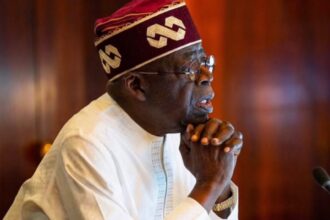
Former Minister of Power and Chairman of Geometric Power Limited, Prof. Bart Nnaji, has said Africa must pursue a gradual and fair energy transition driven by technology, innovation and local realities rather than abandoning fossil fuels abruptly.
Nnaji stated that Africa’s energy future should balance climate goals with the continent’s growing demand for affordable and reliable electricity needed for industrialisation and economic growth.
According to him, Africa’s population is projected to rise to nearly 2.5 billion in the coming decades, increasing pressure on electricity supply as cities expand, industries grow and digital connectivity spreads across the continent.
He argued that expecting African countries to immediately phase out fossil fuels is unrealistic, stressing that natural gas would remain a critical transition fuel for the next decade because of its reliability and affordability.
The energy expert noted that many developed and emerging economies relied heavily on fossil fuels during their industrial growth and said Africa should also be allowed to utilise its abundant energy resources while gradually transitioning to cleaner alternatives.
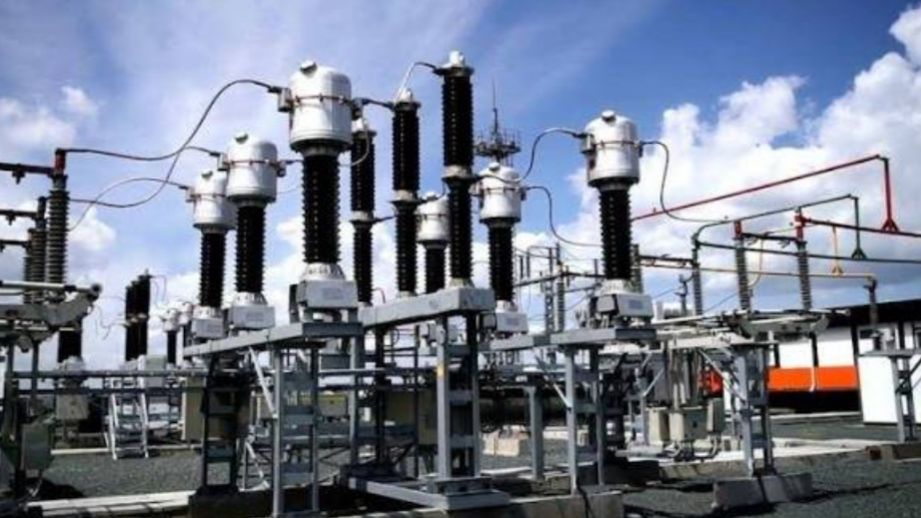
Nnaji highlighted several technologies already transforming Africa’s power sector, including mini-grids, off-grid solar systems, battery storage and smart grid technologies.
According to him, decentralised energy solutions are helping extend electricity access to rural and underserved communities where traditional power grids remain unavailable.
He explained that smart grids and artificial intelligence-driven systems can reduce energy waste and improve electricity distribution, while modern battery technology can help stabilise renewable energy supply even when weather conditions fluctuate.
Nnaji also praised African entrepreneurs for developing innovative local solutions such as pay-as-you-go solar systems, community-based mini-grids and mobile payment platforms that are expanding access to electricity while creating jobs and boosting economic opportunities.
However, he warned that innovation alone would not solve Africa’s energy challenges without major investments and supportive government policies.
Citing estimates from the International Energy Agency, Nnaji said Africa requires about $90bn annually to successfully achieve its energy transition goals, adding that current funding levels remain inadequate.
He called on governments to implement clear regulations and investor-friendly policies capable of attracting financing into the power sector.
The former minister stressed that reliable electricity remains essential for industrial development, transportation, healthcare, education and the growth of Africa’s digital economy.
He said improved energy access would help businesses thrive, support hospitals and schools, and create opportunities for millions of Africans currently without stable electricity.
Nnaji further urged African countries to strengthen collaboration, harmonise energy policies and encourage partnerships between governments and private investors to accelerate development across the continent.
According to him, Africa’s energy transition should be shaped by Africans through practical, technology-driven and homegrown solutions capable of meeting both present and future demands sustainably.