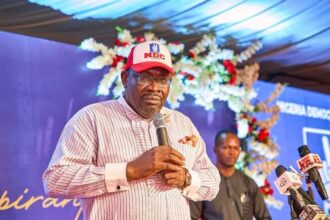
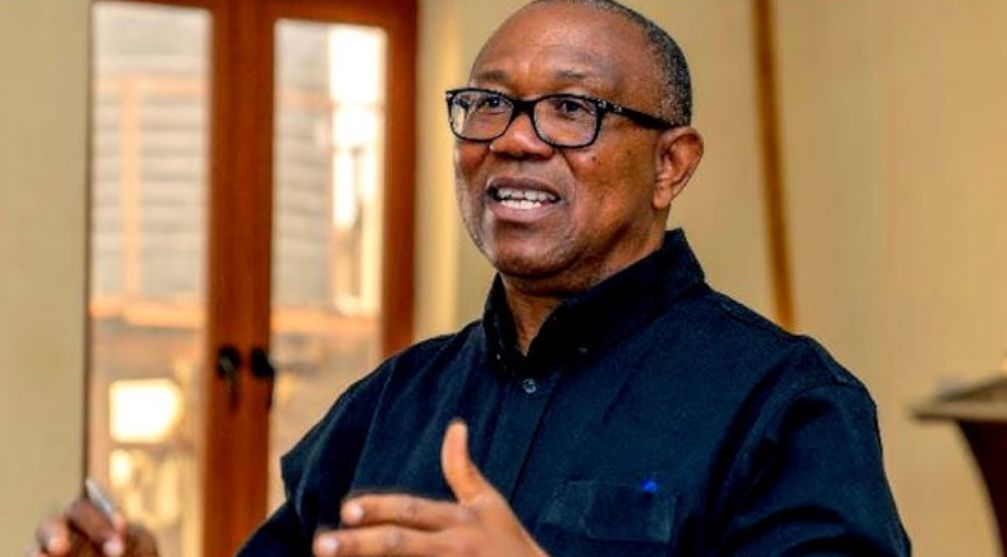
Political reactions across Northern Nigeria remain sharply divided following renewed promises by presidential hopeful Peter Obi to serve only one term if elected president in 2027.
Obi, who is contesting under the National Democratic Congress platform, recently declared that he would serve only four years in office “even at gun point” if elected president.
The former Anambra State governor made the pledge after the NDC zoned its presidential ticket to the South and the vice-presidential slot to the North, a move widely believed to favour a potential alliance between Obi and former Kano State governor, Rabiu Musa Kwankwaso.
However, the proposal has triggered mixed reactions among northern politicians, youth leaders and political analysts, many of whom view the one-term promise as a strategic political move rather than a guaranteed commitment.
Several northern stakeholders said the promise appears designed to improve Obi’s acceptability in the region and strengthen possible opposition alliances ahead of the 2027 elections.
Trust Concerns Over One-Term Promise
A major concern raised by many northern political figures is the issue of trust and the lack of constitutional guarantees attached to such promises.
Several commentators referenced the political developments that followed the death of former President Umaru Musa Yar’Adua in 2010 and former President Goodluck Jonathan’s decision to contest for another term in 2011 despite existing zoning expectations.
According to many northern politicians, that episode created long-lasting scepticism toward informal political agreements and unwritten power-sharing arrangements.
Critics argued that Nigeria’s Constitution permits any sitting president to seek re-election after completing a first term, regardless of campaign promises made before assuming office.
They warned that once a politician becomes president, the influence of incumbency and political pressure could easily alter earlier commitments.
‘Political Strategy, Not Binding Agreement’
Political analyst and youth leader, Murtala Abubakar, described Obi’s one-term pledge as a political strategy aimed at attracting electoral sympathy from the North.
According to him, the promise carries no legal force because there is currently no constitutional mechanism that can stop a president from contesting for a second term after four years.
Abubakar said many northerners are now more interested in constitutional certainty than verbal political assurances following past experiences with power rotation controversies.
Similarly, National President of the Northern Youth Council of Nigeria, Isah Abubakar, said the North remains cautious because memories of the 2011 political transition are still fresh in many people’s minds.
He argued that while Obi’s promise may sound attractive politically, the constitutional reality gives any elected president the right to seek re-election if they choose to do so.
According to him, powerful political interests surrounding an incumbent president could eventually push such a leader to abandon an earlier one-term agreement.
Divided Opinions Among Kwankwaso Supporters
Within the North-West, especially among supporters of Rabiu Kwankwaso, opinions also appear divided over the proposal.
Some members of the Kwankwasiyya movement reportedly see the arrangement as a pathway for the North to reclaim the presidency in 2031 through a negotiated alliance.
Others, however, fear that once a southern administration gains the advantages of incumbency, northern political bargaining power could weaken significantly.
Chairman of Northern Star Youths Employment Initiative, Dr Maina Gimba, said many northern politicians are carefully studying Obi’s political intentions before making firm decisions ahead of the election.
He added that the success of such an arrangement may depend largely on broader negotiations, including the choice of Obi’s running mate and concessions offered to northern stakeholders.
APC, ADC Chieftains Dismiss Proposal
Reacting to the development, APC chieftain Bala Ibrahim dismissed the one-term promise entirely, insisting that constitutional provisions remain superior to campaign pledges.
According to him, political advisers and supporters could eventually persuade Obi to contest for a second term if elected.
An ADC chieftain, Faisal Kabir, also expressed doubts about the credibility of political promises generally, noting that many Nigerians have become sceptical of commitments made during campaigns.
Obi Supporters Defend Promise
However, Obi supporter Ibrahim Hussaini Abdulkarin argued that not all politicians should be judged the same way.
He maintained that Obi has shown consistency in fulfilling previous political commitments and would honour his promise if elected president.
Also speaking, Kano State Coordinator of Kwankwasiyya Diaspora, Dr Muhammad Hamisu, expressed confidence in Obi’s integrity and said many northerners believe he would respect the agreement to serve only one term.
According to him, a potential Obi-Kwankwaso ticket represents justice, fairness, inclusion and national unity, values many Nigerians are seeking ahead of the 2027 elections.
Political analysts, however, believe the fate of Obi’s one-term proposal may ultimately depend on whether influential northern political leaders publicly endorse and support the arrangement before the next presidential election.