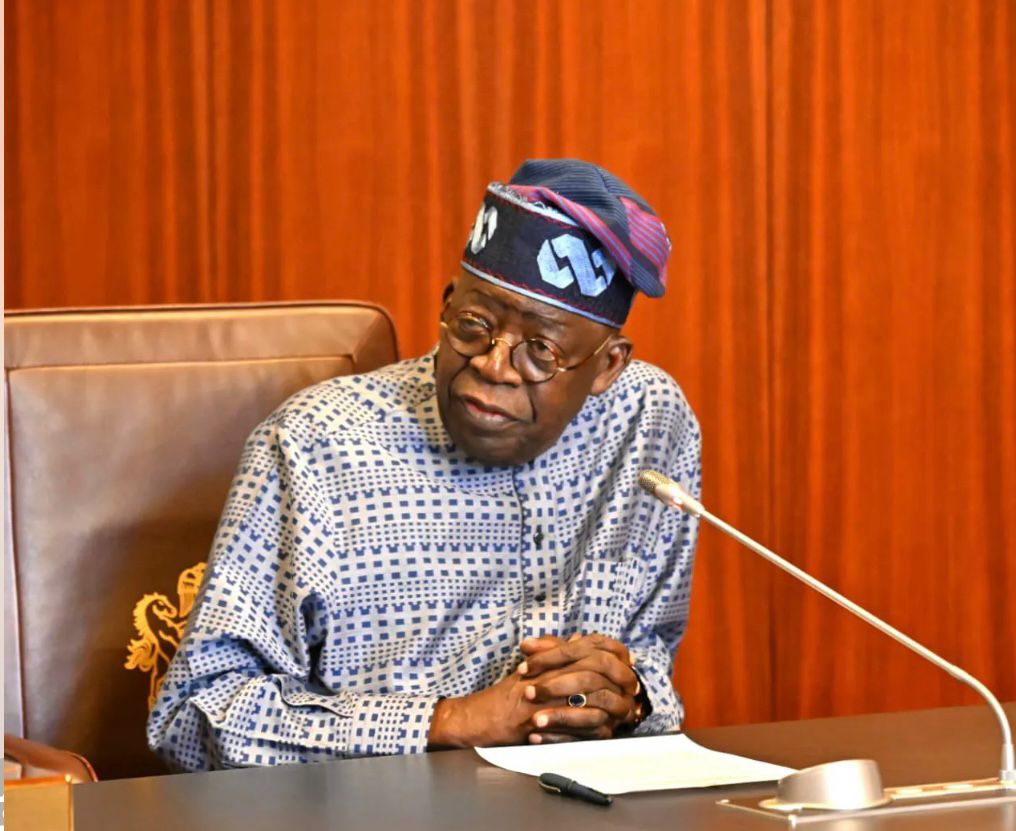
President Bola Ahmed Tinubu has confirmed the killing of a top-ranking Islamic State commander, Abu-Bilal Al-Manuki, popularly known as Abu-Mainok, during a coordinated military operation jointly executed by Nigerian troops and the United States Armed Forces in the Lake Chad Basin.
The announcement, made in a personally signed statement released on Saturday, marked one of the most significant counterterrorism victories recorded in the region in recent years as Nigeria and the United States intensify military collaboration against extremist networks operating across West Africa.
Tinubu described the mission as a major breakthrough in the ongoing war against terrorism, noting that the operation demonstrated the strength of the growing security partnership between Nigeria and the United States.
According to the President, Nigerian military personnel worked closely with American forces in carrying out what he described as a bold and carefully coordinated assault that dealt a devastating blow to the Islamic State network operating within the Lake Chad region.
He disclosed that preliminary intelligence assessments confirmed that Abu-Bilal Al-Manuki was successfully eliminated alongside several of his senior associates and lieutenants after security forces launched a strike on his hideout located within the Lake Chad Basin.
Tinubu explained that the successful operation represented another important step toward dismantling terrorist structures threatening peace and stability across Nigeria and neighbouring countries within the region.
The Nigerian leader also expressed appreciation to the United States government for its continued support in the fight against terrorism, specifically acknowledging the role played by US President Donald Trump in strengthening security cooperation between both nations.
According to Tinubu, Nigeria values its strategic partnership with the United States in tackling terrorism and safeguarding regional security.
He further praised the professionalism, bravery, and commitment displayed by both Nigerian and American military personnel who participated in the operation.
The President stressed that the operation sends a strong message to extremist groups that Nigeria and its international allies remain determined to destroy terrorist enclaves and restore stability to affected communities.
Tinubu also assured Nigerians that security forces would continue carrying out aggressive offensives against insurgent groups operating in various parts of the country, particularly within the North-East and the Lake Chad region.
The development comes at a time when Nigerian troops have intensified military operations against insurgent factions linked to the Islamic State and other extremist organisations responsible for repeated attacks on military formations, villages, and civilian populations.
The Lake Chad Basin has remained one of the major theatres of insurgency in Africa, with terrorist groups exploiting difficult terrain and porous borders to launch attacks across Nigeria, Chad, Niger, and Cameroon.
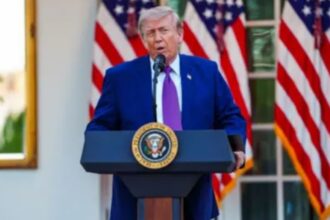
Meanwhile, President Trump had earlier confirmed the operation in a statement posted on his Truth Social platform on Friday.
The American leader described Abu-Bilal Al-Manuki as one of the most dangerous and active terrorists globally, claiming the slain militant played a major role in coordinating international extremist activities linked to ISIS.
Trump explained that the operation was carried out under his direct authorization and involved extensive planning, intelligence gathering, and cooperation between American and Nigerian security agencies.
According to him, the mission was highly sophisticated and successfully executed without complications.
The US President stated that the terrorist commander believed he could evade international security agencies by hiding within African territories, unaware that intelligence operatives had been closely monitoring his activities for a long time.
Trump further claimed that Abu-Bilal Al-Manuki served as the second-highest-ranking ISIS commander globally and had significant influence within the terror organisation’s international operations.
He explained that the slain militant had been under American sanctions since 2023 because of his close involvement with the Islamic State network and his alleged role in coordinating extremist activities.
According to Trump, the elimination of Al-Manuki would significantly weaken ISIS operations worldwide and reduce the group’s capacity to organise attacks against civilians and international targets.
The US leader added that the death of the commander would prevent him from continuing to terrorise communities across Africa or assisting in the planning of attacks targeting American interests.
Trump also thanked the Nigerian government for its cooperation and support throughout the operation, describing the partnership between both countries as critical in confronting global terrorism.
Security analysts believe the killing of Abu-Bilal Al-Manuki could deal a major psychological and operational setback to Islamic State-affiliated groups operating within the Lake Chad Basin and other parts of Africa.
Experts say extremist organisations often rely heavily on influential commanders for strategic coordination, recruitment, logistics, and financing, meaning the loss of such a senior figure could disrupt ongoing operations temporarily.
However, analysts also warned that terrorist groups may attempt retaliatory attacks in response to the killing, making sustained military pressure and intelligence cooperation essential in the coming months.
The latest operation highlights the increasing security collaboration between Nigeria and the United States as both countries continue expanding intelligence-sharing, military coordination, and joint counterterrorism initiatives across West Africa.
Observers say the partnership could become even more important as regional governments confront growing threats posed by extremist groups seeking to expand their influence across the Sahel and Lake Chad regions.
The successful elimination of Abu-Bilal Al-Manuki is now being viewed as both a symbolic and strategic victory in the broader international campaign against terrorism, particularly at a time when governments across Africa continue battling violent insurgencies and cross-border extremist activities.