
EDSG Demolishes Illegal Structures Under Power Lines in Benin City
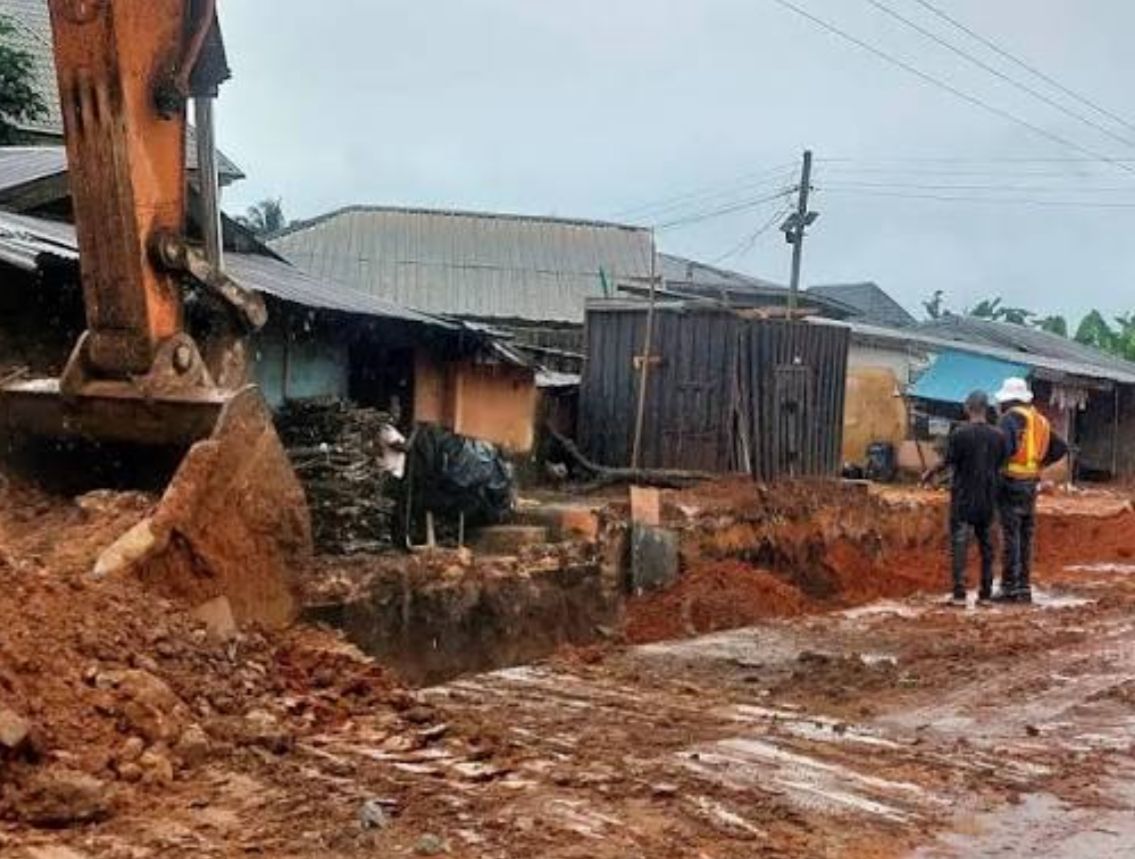
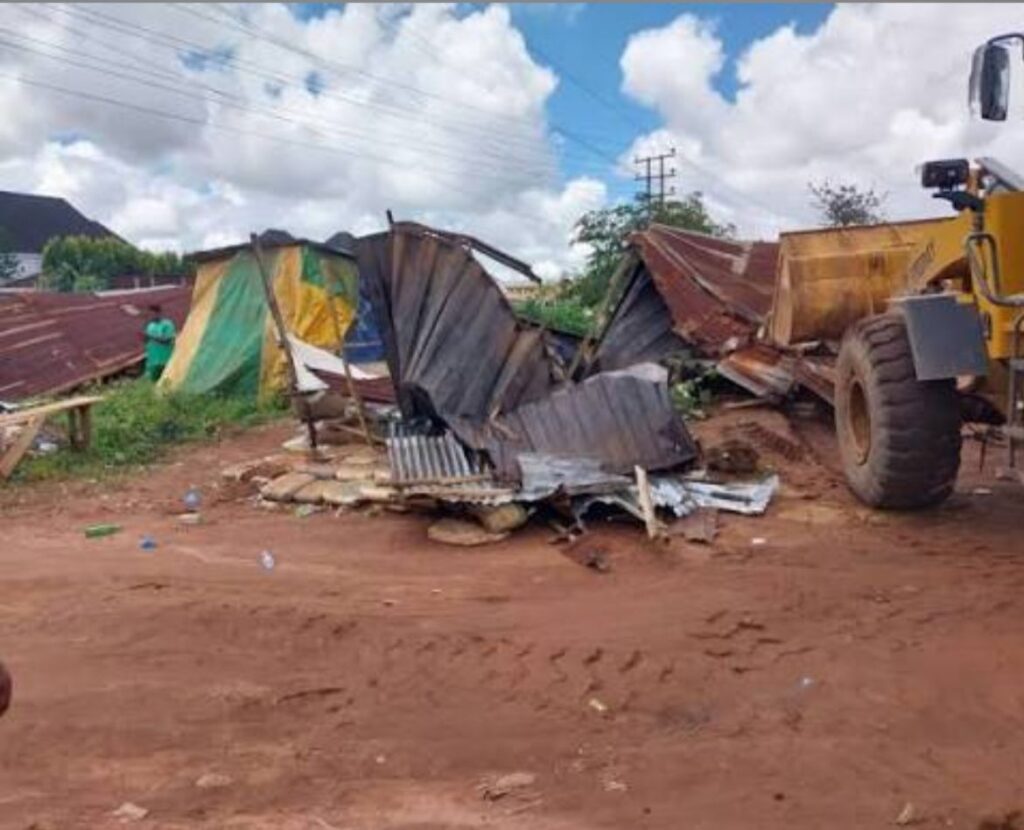
The Edo State Government has begun the removal of illegal structures erected beneath high-tension electricity wires along Trinity Road, off Second Ugbor in Benin City.
The operation was supervised by Hon. Igabali Imoisili Darlington, Managing Director of the Edo State Development and Building Control Agency, who warned that the government is fully committed to enforcing building regulations across the state.
According to him, the affected area had long been occupied by shanties, caravans, and makeshift shops stretching from the beginning of 2nd Ugbor to the end of the power line corridor.
“These structures not only support daily business activities but also serve as hideouts for criminal elements,” he stated.
He stressed that living or trading under high-tension wires poses serious health and safety risks, while also damaging the visual appeal of what should be a prime part of the city.
“This exercise is necessary to restore the landscape. This area is unsafe, unfit, and unacceptable for human habitation or business,” he added.
The agency revealed that several complaints had been received from residents and estate associations about illegal activities in the area. Despite multiple warnings and past clearance efforts, occupants reportedly returned.
Officials say the cleared space will now be reclaimed and beautified in collaboration with the Ministry of Environment and the Parks and Gardens Agency.
Meanwhile, the Chairman of the Committee for the Protection of Government Property, Mr. Eugene Okolise, reiterated that the government has taken full possession of the area and will prevent any attempts to reoccupy it.
He described the location as a hotspot for crimes such as drug trafficking and illegal arms activities, warning that offenders will face strict legal consequences.
The government also issued a broader warning to residents who have encroached on public spaces, stating that a statewide cleanup campaign will be carried out in October as part of the “Urban October” initiative.