Sanctioned Chinese Tanker Reverses Course to Strait of Hormuz a Day After Leaving the Gulf
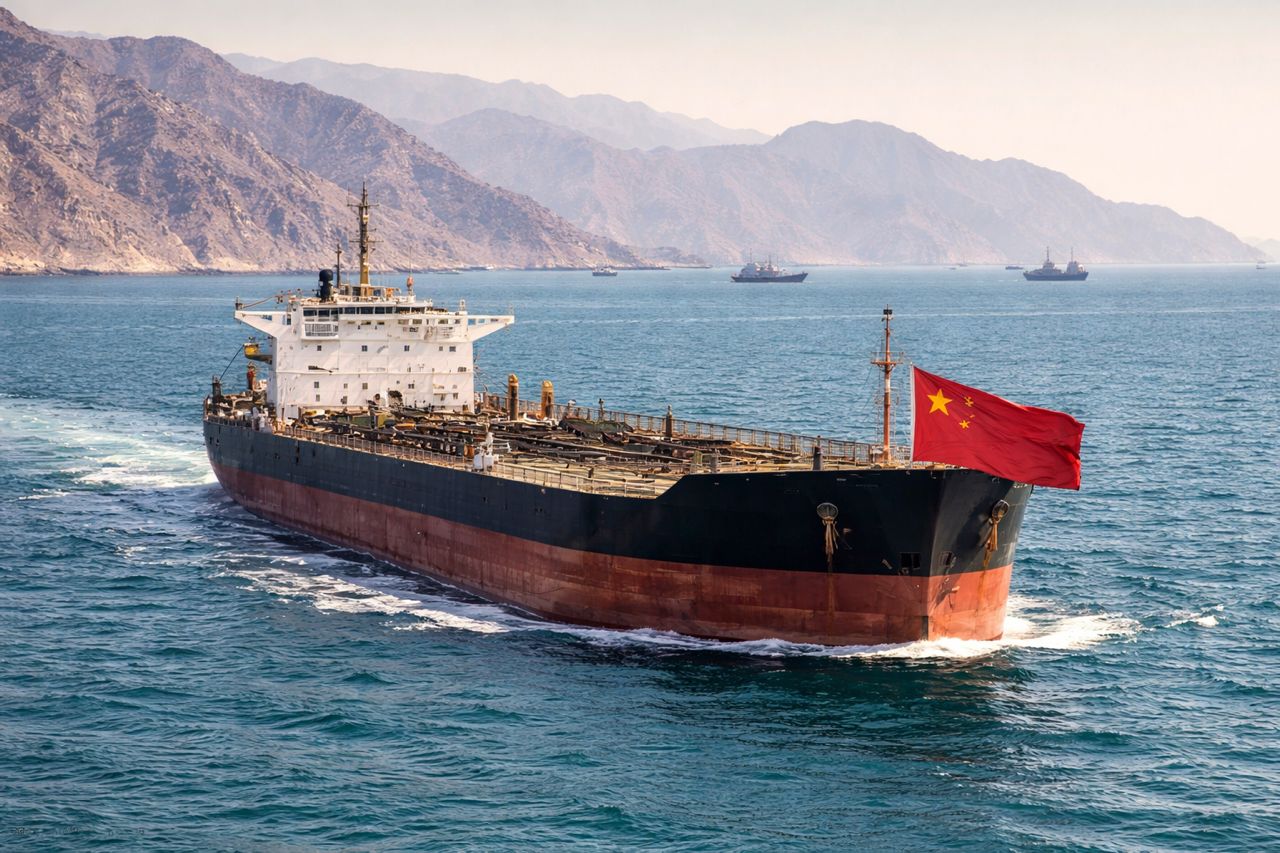
A sanctioned Chinese oil tanker has made a sudden and unexpected return to the Strait of Hormuz, just one day after exiting the Gulf—raising fresh concerns over global oil trade routes, sanctions enforcement, and maritime security.
The vessel, reportedly linked to entities under international sanctions, had initially departed the Gulf waters, suggesting a possible continuation of its voyage toward Asian markets. However, in a surprising development, tracking data revealed that the tanker reversed course and headed back toward the strategically critical Strait of Hormuz.
The Strait of Hormuz remains one of the world’s most vital oil transit chokepoints, with nearly a fifth of global petroleum passing through it daily. Any unusual movement in this region, especially involving sanctioned vessels, tends to attract swift attention from global monitoring agencies and energy analysts.
While the exact reason behind the tanker’s abrupt turnaround remains unclear, experts suggest several possible explanations. These include increased surveillance pressure, logistical challenges, or strategic repositioning to avoid further scrutiny. It may also signal the ongoing complexities faced by sanctioned entities attempting to navigate international restrictions while maintaining oil exports.
This incident highlights the persistent tension between global sanctions frameworks and the realities of international energy demand. Despite strict regulations, some vessels continue to operate in grey areas, using tactics such as route changes, flag switching, and tracking signal manipulation to avoid detection.
Maritime authorities and international watchdogs are expected to closely monitor the situation, as such movements can have broader implications for regional stability and oil market dynamics. The development also underscores the importance of transparency and compliance in global shipping operations, particularly in sensitive regions like the Gulf.
As the story unfolds, industry stakeholders will be watching closely to see whether this move is an isolated incident or part of a broader pattern in sanctioned oil transport activities.