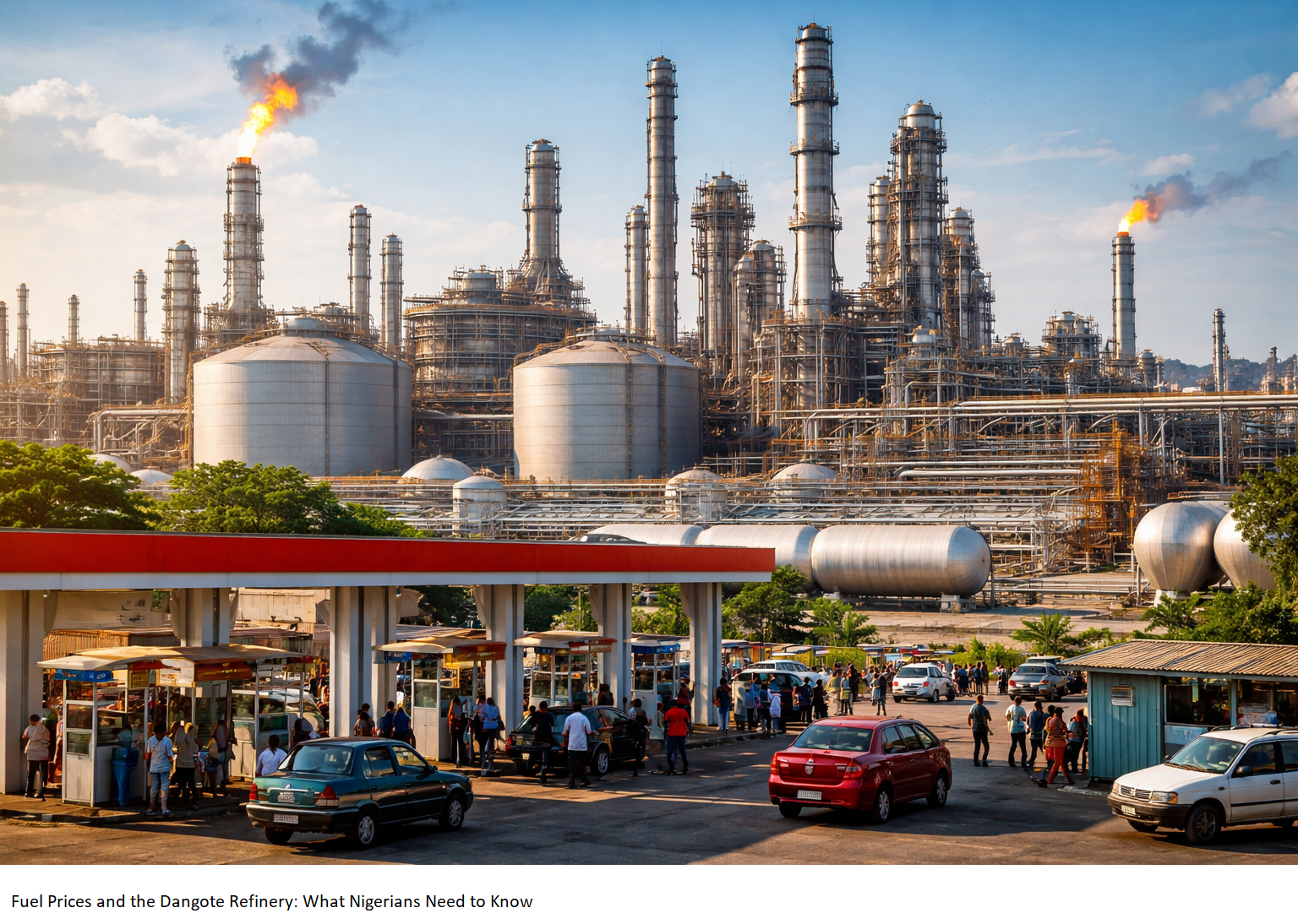
Nigeria’s energy sector is currently undergoing a major shift as the government increases crude oil supply to the Dangote Refinery. This move is aimed at strengthening local refining capacity and reducing the country’s long-standing dependence on imported petroleum products.
The refinery, owned by Aliko Dangote, is one of the largest in Africa and is expected to play a key role in transforming Nigeria’s fuel supply chain. With more crude being allocated to the facility, expectations are high that it will help stabilize fuel availability across the country.
However, despite this development, petrol prices remain high. Several factors continue to influence the cost of fuel, including fluctuations in global oil prices, the depreciation of the naira, and ongoing logistics and distribution challenges within the country. Additionally, the effects of fuel subsidy removal are still being felt by consumers.
In the short term, Nigerians may continue to experience price fluctuations at the pump. However, experts believe that as the refinery reaches full operational capacity, there is potential for more stable pricing and improved supply in the medium to long term.
Ultimately, the success of this initiative could mark a turning point for Nigeria’s economy. A fully functional local refining system would not only reduce import dependence but could also position the country as a key exporter of refined petroleum products in Africa.