Personal loans taken by Nigerians have surged to N1.96 trillion, now accounting for more than half of the country’s total consumer credit, according to the latest report released by the Central Bank of Nigeria (CBN).
The report revealed that total consumer credit outstanding rose to N3.81 trillion in January 2026, with personal loans emerging as the major driver of the increase.
Data from the apex bank showed that personal lending grew significantly during the period, highlighting the increasing reliance of many Nigerians on borrowed funds to meet personal and household needs amid rising living costs.
According to the report, personal loans accounted for 51.44 percent of total consumer credit, making them the largest component of consumer borrowing in the country.
While personal loans recorded growth, retail loans moved in the opposite direction, declining during the same period.
The CBN also disclosed that total credit to the Nigerian economy rose slightly, driven mainly by increased lending to the services and agriculture sectors.
The services sector remained the biggest beneficiary of bank lending, receiving more than half of all credit extended by financial institutions. Agriculture also recorded growth, while lending to some industrial activities showed signs of weakness.
Despite the increase in lending, the report noted that Nigeria’s broad money supply declined during the month as tighter liquidity conditions persisted across the banking system.
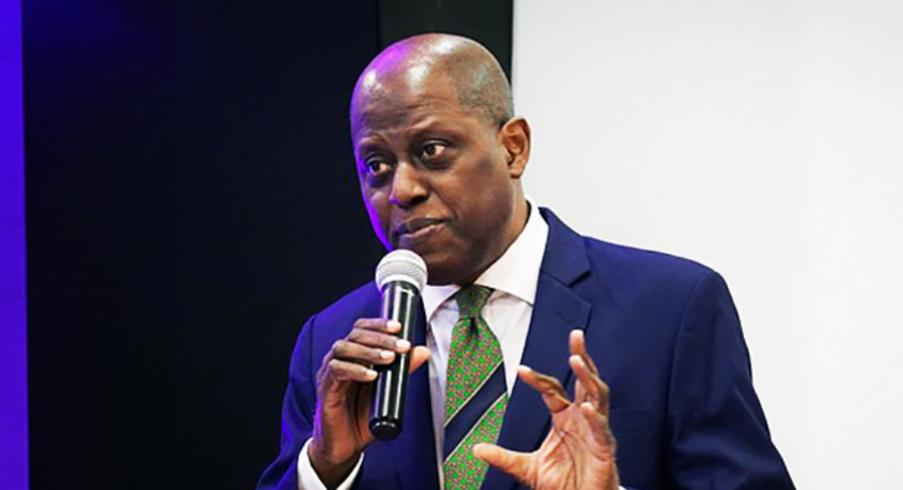
Meanwhile, CBN Governor Olayemi Cardoso stated that access to credit for small and medium-sized enterprises (SMEs) has started improving, with new loans to businesses increasing in recent months.
However, business owners have continued to express concerns over high borrowing costs, especially after the Monetary Policy Committee retained the benchmark interest rate at 26.5 percent.
Many entrepreneurs argue that expensive loans are making it difficult for businesses to expand, create jobs, and cope with rising operational costs.
The development comes as Nigerians continue to grapple with inflation, higher transportation costs, and increased prices of goods and services, forcing many households to seek alternative financial support through personal loans.
Source: Central Bank of Nigeria (CBN)