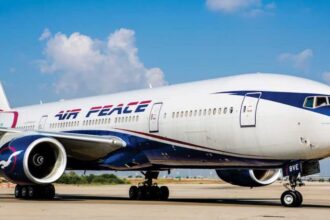
The Nigeria Civil Aviation Authority (NCAA) has temporarily suspended its controversial “No-pay, No-service” enforcement order against domestic airlines over unpaid statutory charges.
The aviation regulator announced the decision on Monday, saying the move followed consultations with stakeholders and concerns over the worsening financial pressure facing airline operators across the country.
According to the NCAA, the suspension became necessary to avoid further destabilising the aviation industry at a time airlines are already struggling with rising aviation fuel costs, foreign exchange challenges and increasing operational expenses.
In a statement signed by the Director-General of the NCAA, Chris Najomo, the authority explained that the decision was reached after carefully reviewing the current realities in the sector.
“This decision follows extensive consultations within the sector and a careful review of current operating realities, particularly the rising cost of aviation fuel and its impact on airline operations and overall industry stability,” the statement read.
The development comes days after the NCAA had directed all its departments to deny services to several airlines accused of owing statutory remittances to the authority and other aviation agencies.
However, the regulator clarified that the temporary suspension does not mean the debts have been cancelled or forgiven.
“It is important to state clearly that this suspension does not represent a cancellation, waiver, or forgiveness of outstanding statutory financial obligations,” the NCAA stated.
The authority explained that all airlines involved are still expected to settle their debts, while discussions will continue individually with operators to recover the funds without crippling the sector.
The NCAA also referenced President Bola Tinubu’s earlier approval of a 30 percent discount on outstanding debts owed by domestic airlines to aviation agencies as part of measures aimed at easing the impact of skyrocketing Jet A1 fuel prices.
According to the regulator, the intervention is part of the Federal Government’s broader efforts to stabilise airline operations and prevent avoidable disruptions within the industry.
The authority further stressed that the controversial 5 percent Ticket and Cargo Sales Charge belongs to the aviation ecosystem and not to airlines themselves.
“It must be emphasised that this charge is collected at the point of ticket and cargo sales by airlines on behalf of the aviation ecosystem,” Najomo explained.
“It is not a part of operating profit or revenue for the collecting airline.”
The NCAA noted that the funds are shared among several aviation agencies responsible for maintaining safety, regulation and operational standards in Nigeria’s airspace.
The regulator also pointed out that the NCAA does not receive direct funding from the Federal Government for its daily operations, making statutory remittances critical for sustaining aviation oversight and safety functions.
Industry stakeholders have welcomed the temporary suspension, warning earlier that strict enforcement of the “No-pay, No-service” directive could have triggered major flight disruptions and worsened the fragile state of the aviation sector.
The NCAA described the suspension as a “calibrated step” designed to strike a balance between enforcing compliance and ensuring the survival of domestic airline operators. NCAA Backs Down On ‘No-Pay, No-Service’ Threat Against Airlines
⸻
The Nigeria Civil Aviation Authority (NCAA) has temporarily suspended its controversial “No-pay, No-service” enforcement order against domestic airlines over unpaid statutory charges.
The aviation regulator announced the decision on Monday, saying the move followed consultations with stakeholders and concerns over the worsening financial pressure facing airline operators across the country.
According to the NCAA, the suspension became necessary to avoid further destabilising the aviation industry at a time airlines are already struggling with rising aviation fuel costs, foreign exchange challenges and increasing operational expenses.
In a statement signed by the Director-General of the NCAA, Chris Najomo, the authority explained that the decision was reached after carefully reviewing the current realities in the sector.
“This decision follows extensive consultations within the sector and a careful review of current operating realities, particularly the rising cost of aviation fuel and its impact on airline operations and overall industry stability,” the statement read.
The development comes days after the NCAA had directed all its departments to deny services to several airlines accused of owing statutory remittances to the authority and other aviation agencies.
However, the regulator clarified that the temporary suspension does not mean the debts have been cancelled or forgiven.
“It is important to state clearly that this suspension does not represent a cancellation, waiver, or forgiveness of outstanding statutory financial obligations,” the NCAA stated.
The authority explained that all airlines involved are still expected to settle their debts, while discussions will continue individually with operators to recover the funds without crippling the sector.
The NCAA also referenced President Bola Tinubu’s earlier approval of a 30 percent discount on outstanding debts owed by domestic airlines to aviation agencies as part of measures aimed at easing the impact of skyrocketing Jet A1 fuel prices.
According to the regulator, the intervention is part of the Federal Government’s broader efforts to stabilise airline operations and prevent avoidable disruptions within the industry.
The authority further stressed that the controversial 5 percent Ticket and Cargo Sales Charge belongs to the aviation ecosystem and not to airlines themselves.
“It must be emphasised that this charge is collected at the point of ticket and cargo sales by airlines on behalf of the aviation ecosystem,” Najomo explained.
“It is not a part of operating profit or revenue for the collecting airline.”
The NCAA noted that the funds are shared among several aviation agencies responsible for maintaining safety, regulation and operational standards in Nigeria’s airspace.
The regulator also pointed out that the NCAA does not receive direct funding from the Federal Government for its daily operations, making statutory remittances critical for sustaining aviation oversight and safety functions.
Industry stakeholders have welcomed the temporary suspension, warning earlier that strict enforcement of the “No-pay, No-service” directive could have triggered major flight disruptions and worsened the fragile state of the aviation sector.
The NCAA described the suspension as a “calibrated step” designed to strike a balance between enforcing compliance and ensuring the survival of domestic airline operators.