Trade ministers from the Group of 20 (G20) major economies have failed to reach agreement on a US-backed plan to tackle excess industrial capacity and so-called non-market economic policies, exposing divisions within the group.
The disagreement emerged after a two-day G20 trade meeting in Milwaukee, where the United States, which holds the group’s presidency this year, pushed for greater cooperation to address industries producing more goods than global markets can absorb.
The US Trade Representative’s office said the proposed statement on excess capacity was supported by most members, but “a handful” rejected creating a pathway for joint action.
The US said it was “severely disappointed” by the lack of consensus.
The disagreement is particularly significant because the United States has made excess industrial capacity and government subsidies major themes of its G20 trade agenda, with China’s manufacturing policies frequently at the centre of the debate.
Washington argues that state support for industries can contribute to excess production, distort competition and lead to large volumes of goods being exported into foreign markets.
China has rejected those accusations, arguing that claims about its industrial overcapacity are being used by Western countries to justify protectionist trade measures.
The G20 meeting also failed to produce a collective statement on eliminating goods made with forced labour from global supply chains.
Only Mexico and Argentina joined the United States in signing a separate statement calling for greater cooperation to prevent products made with forced labour from entering international markets.
The US administration has already imposed tariffs of 10% or 12.5% on goods from 59 countries and the European Union over allegations that they have not done enough to enforce restrictions on forced-labour products.
Washington is also conducting a separate Section 301 trade investigation into 16 trading partners over concerns about excess industrial capacity. The investigation could lead to additional tariffs.
The US Trade Representative’s office did not identify the G20 members that rejected the excess-capacity proposal.
However, China had previously opposed similar language on forced labour and non-market economic policies at a G20 finance leaders’ meeting in North Carolina.
Despite the divisions, G20 trade ministers reached agreement on another major issue: the use of food and agricultural products as a tool of economic or political pressure.
The ministers agreed to condemn what they described as the weaponisation of food trade, including measures intended to restrict or redirect the flow of food and agricultural inputs to force countries to make unrelated geopolitical concessions.
“We condemn food weaponization, as it poses a significant humanitarian and economic threat,” the ministers said.
The food trade agreement comes as global energy and fuel markets face increased pressure. The G7 has separately agreed to release emergency diesel reserves after US President Donald Trump pushed European countries to help increase fuel supplies.
The G20 meeting also included discussions about the World Trade Organisation’s Most-Favoured-Nation (MFN) principle, which forms the basis for published tariff rates applied equally to trading partners.
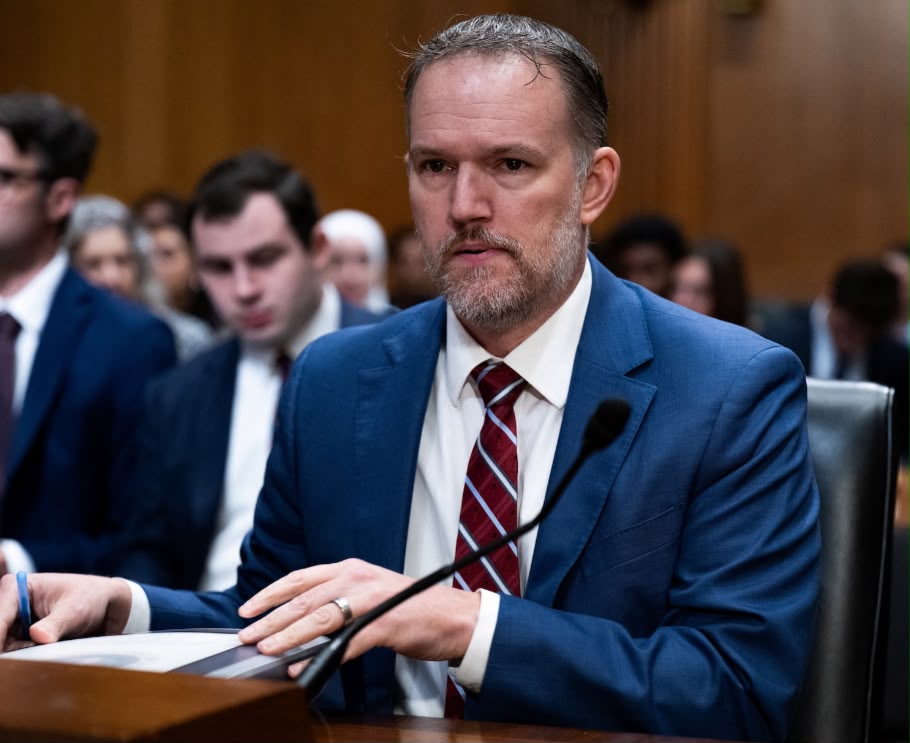
US Trade Representative Jamieson Greer said he did not seek a joint statement on MFN reform but said some G20 members were open to considering changes.
Possible areas of discussion include expanding exceptions to the MFN principle and developing new interpretations that would allow countries to make greater use of existing exceptions.
Greer has argued that the current MFN system can allow non-market economies such as China to benefit from the same tariff treatment despite government subsidies to industries.
The G20 discussions therefore ended with agreement in some areas but significant differences remaining over industrial production, forced labour and the future structure of global trade rules.