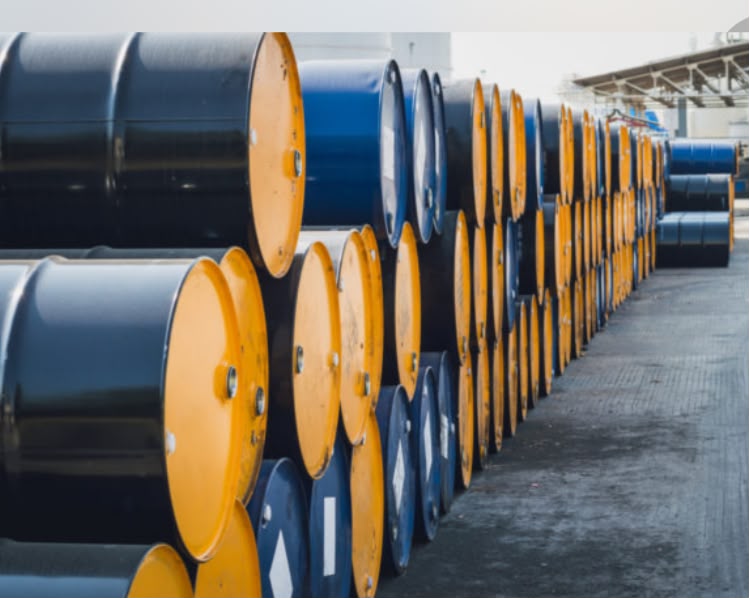
The Group of Seven (G7) nations have agreed to coordinate the release of 100 million barrels of oil and other energy reserves through the International Energy Agency (IEA) as part of efforts to ease pressure on global energy markets.
The agreement was reached during a virtual meeting of G7 leaders on Friday as the group responded to growing concerns over energy security, rising fuel prices and volatility in international oil markets.
The G7 comprises Canada, France, Germany, Italy, Japan, the United Kingdom and the United States.
Under the plan, the coordinated release will begin immediately and continue for four months. A substantial portion of the diesel component will be released within the first 20 days to address immediate supply pressures.
“We will implement our commitments with a coordinated release through the IEA of 100 million barrels (MB) to begin immediately over 4 months, including a frontloaded substantial diesel release within the first 20 days by G7 members and partners,” the G7 leaders said.
The group said it would also meet through the IEA in the coming days to consider whether additional diesel reserves should be released if market conditions require further intervention.
The move is aimed at stabilising energy supplies, protecting households and businesses from sudden price increases and strengthening the resilience of global energy markets.
G7 leaders also agreed to coordinate maintenance schedules at their refineries to avoid several facilities shutting down at the same time.
Where possible, refineries will temporarily increase their utilisation rates to boost the supply of refined petroleum products, particularly diesel.
The group also encouraged countries with significant refining capacity to increase production of refined products in response to continued pressure in the diesel market.
The IEA has been asked to monitor the implementation and impact of the measures, with a follow-up report expected within 20 days. The report is expected to include recommendations on future responses, including how emergency stocks can be replenished.
The G7 also reaffirmed that member countries would not impose energy export restrictions on one another and called on other energy-producing countries to avoid measures that could further tighten global supplies.
The agreement comes amid severe pressure on diesel markets, with the United States and European countries facing sharply higher fuel costs.
The move also follows pressure from the administration of US President Donald Trump for European countries to release diesel reserves as global fuel prices surged.
In the United Kingdom, the average pump price of diesel reached £2 per litre on Friday for the first time, highlighting the impact of the global supply pressures.
The G7 leaders also addressed the situation around the Strait of Hormuz, a major route for international oil and gas shipments.
The group condemned Iran’s attacks against neighbouring countries and accused Tehran of disrupting international trade, energy security and the global economy.
It called for the immediate restoration of navigational rights and freedom of movement through the Strait of Hormuz, while expressing its determination to increase efforts to keep the vital waterway open.
The G7 also commended the United States for its efforts to maintain the free flow of commercial shipping through the strait.
The International Energy Agency said the energy market impact of the Hormuz crisis remains particularly severe in diesel markets, while refined-product flows have remained constrained.
The G7 said it would continue monitoring developments and remain prepared to adjust its measures if necessary.