The Nigerian National Petroleum Company (NNPC) Limited is changing the way it rehabilitates and operates its refineries, with technical partners now expected to have a financial stake in the facilities they help develop.
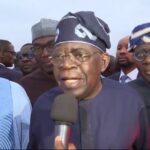
The NNPC Group Chief Executive Officer, Bayo Ojulari, said the company no longer wants a system where contractors are paid to rehabilitate refineries but have no financial interest in how the facilities perform afterwards.
Ojulari disclosed this on Tuesday during NNPC’s media engagement in Abuja, explaining that the new approach was based on lessons from previous refinery rehabilitation projects.
NNPC operates three government-owned refineries: the Port Harcourt Refining Company in Rivers State, the Warri Refining and Petrochemicals Company in Delta State and the Kaduna Refining and Petrochemical Company in Kaduna State.
According to Ojulari, one of the major weaknesses of the previous rehabilitation model was that contractors and other service providers were paid for their work without having a direct interest in the long-term performance of the refineries.
“What we have learned from the past rehabilitations of the refineries was multiple. But I’ll remind you again of the two of them that I’ve always talked about,” he said.
He explained that under the old arrangement, NNPC bore the costs of contractors, financing and operations and maintenance, while the parties involved did not have a financial stake in the eventual performance of the facilities.
“And then none of those parties that were working with us had a stake in the performance of the refinery after their work,” Ojulari said.
Under the new model, NNPC wants technical partners to take equity positions in the refineries, giving them a direct interest in ensuring that the facilities operate efficiently and remain profitable.
The GCEO said prospective partners would also be expected to demonstrate a strong track record in operating refineries or petrochemical facilities and provide the technical expertise required to run the plants effectively.
“What we want going forward is to have a refinery that is self-sustaining, that is profitable, and is sustainable,” Ojulari said.
Chinese Firms Complete Refinery Assessment
Ojulari also provided an update on discussions with Chinese investors regarding the Port Harcourt and Warri refineries.
NNPC signed a memorandum of understanding with two Chinese companies on May 4 to explore a potential partnership for the completion and operation of the two facilities.
According to the GCEO, a team of Chinese engineers spent three months carrying out due diligence on the Port Harcourt and Warri refineries as part of the process.
The assessment allowed the prospective investors to examine the condition and requirements of the facilities before making a formal proposal.
Ojulari stressed that no final agreement had yet been reached with the Chinese companies.
He said the engineering team was expected to submit its assessment report and proposal, after which NNPC and the investors would proceed to commercial and technical negotiations.
“There are strong indications and commitment of their interest as of now in Port Harcourt and Warri Refinery,” he said.
The Kaduna refinery has not yet gone through the same process, but Ojulari said NNPC intends to pursue the technical equity partnership model for the facility as well.
He also noted that refinery margins are relatively narrow, making operational efficiency, production volume and petrochemical output important factors in determining whether the facilities can remain profitable.
According to the NNPC chief, the company is therefore examining newer technologies and opportunities in petrochemicals as part of efforts to improve the long-term sustainability of the refineries.
The new approach is expected to shift refinery rehabilitation from a model focused primarily on completing construction or repair work to one where technical partners have a continuing financial interest in the facilities’ performance.