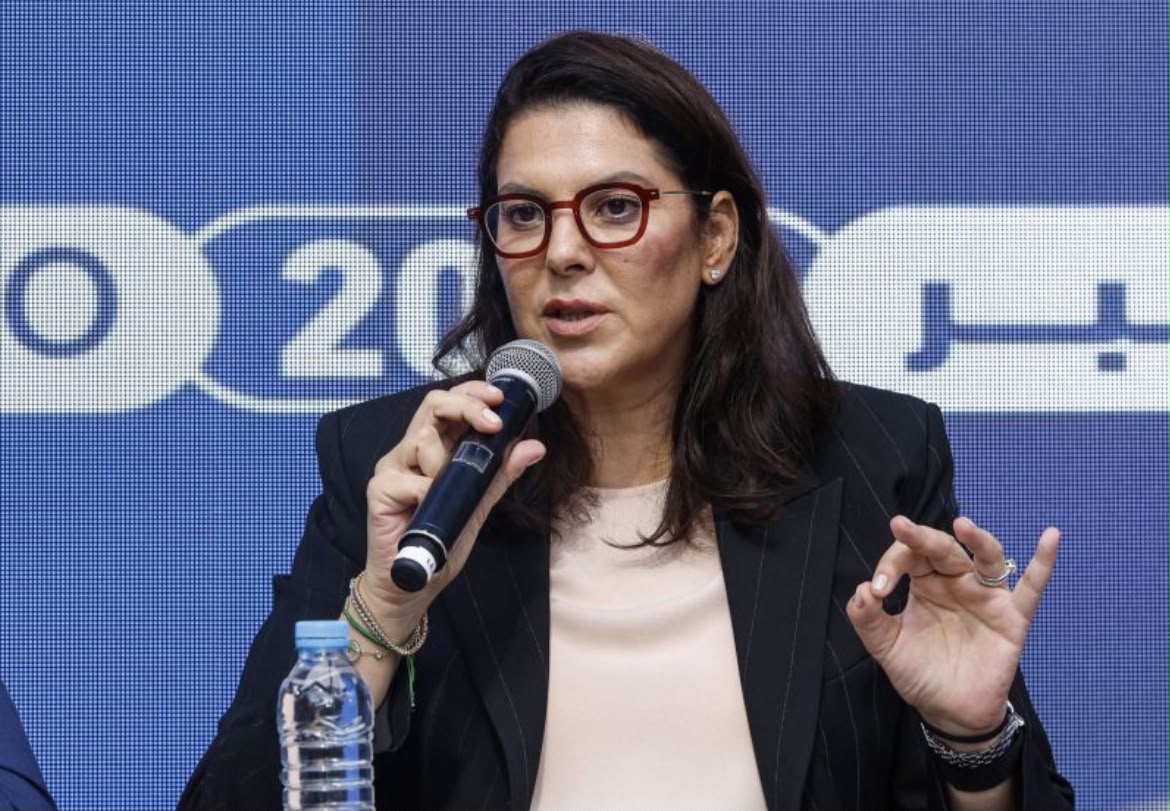
Morocco has appointed Fatima Ezzahra El Mansouri as its first woman prime minister, marking a historic change in the country’s political leadership.
King Mohammed VI named the 50-year-old politician to the position on Tuesday and tasked her with forming a new government after her Authenticity and Modernity Party (PAM) emerged with the most seats in last week’s parliamentary election.
PAM won 97 of the 395 seats in the House of Representatives, putting it ahead of the National Rally of Independents, which secured 66 seats, and the Istiqlal Party, which won 65.
However, PAM fell short of the 198 seats required for an outright majority, meaning El Mansouri will have to negotiate with other political parties to form a governing coalition.
Speaking after her appointment, El Mansouri described the development as a historic moment for Morocco.
“For the first time in our country’s history, a woman is taking on the responsibility of leading the government,” she said.
She added that the appointment was “a source of pride not only for me but for all Moroccan women.”
El Mansouri, who is also a lawyer, has held several important political positions. She became the first woman to serve as mayor of Marrakesh in 2009 and returned to the position in 2021.
She also served as Morocco’s minister responsible for national planning, urban development, housing and urban policy before becoming prime minister.
The new prime minister said her immediate task would be to begin consultations within her party before engaging with other political groups on the formation of the government.
“The work starts today,” she said.
Her administration is expected to face pressure over unemployment, living costs and social inequalities, particularly those affecting young Moroccans.
Youth dissatisfaction has been a significant issue in the country, with recent protests and other events highlighting concerns about employment and access to public services.
El Mansouri acknowledged the high expectations surrounding the new government, particularly among young people.
“We are fully aware that this period will be significant and marked by high expectations from Moroccans, particularly young people,” she said.
She said the government would seek to provide practical responses to citizens’ concerns.
PAM has previously pledged average annual economic growth of five per cent, inflation of two per cent and the creation of at least one million jobs during its five-year term.
The parliamentary election recorded relatively low participation, with turnout reported at about 38 per cent.
The Islamist Justice and Development Party (PJD) won 54 seats after making significant gains compared with its 2021 result. Its leader, former prime minister Abdelilah Benkirane, however, ruled out joining a coalition led by PAM and alleged that the election was affected by fraud, without providing details in the statement cited.
As El Mansouri begins efforts to form her government, Morocco’s constitutional monarchy means the king retains significant powers over areas including foreign policy and defence.
Her government will also have to oversee major national priorities, including preparations for Morocco’s role in the 2030 FIFA World Cup, which the country will co-host with Spain and Portugal.
El Mansouri’s appointment makes her the second woman to serve as head of government in the Arab world, following Tunisia’s Najla Bouden, who served as prime minister from 2021 to 2023.
Source: AFP.