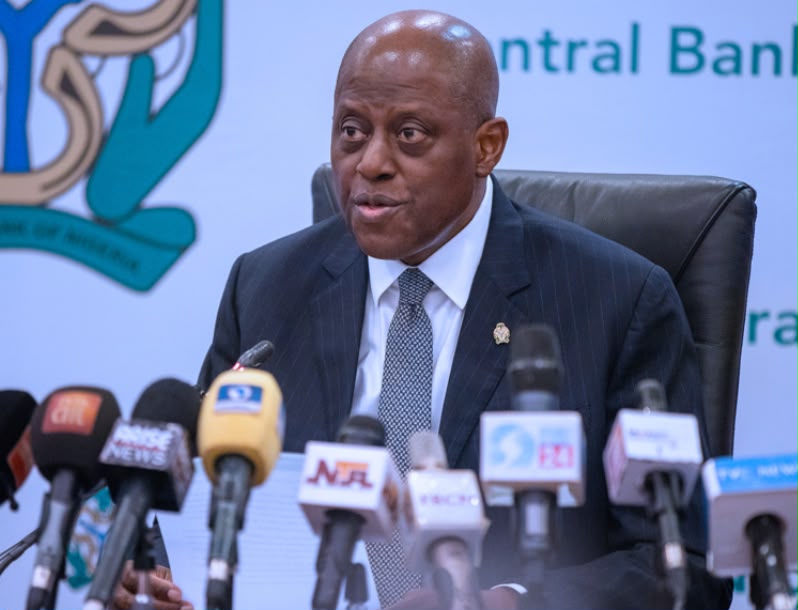
Nigeria’s foreign exchange reserves have risen above $55 billion, reaching their highest level in more than 18 years, according to Central Bank of Nigeria (CBN) Governor Olayemi Cardoso.
Cardoso disclosed the development on Tuesday in Abuja after the Monetary Policy Committee (MPC) meeting, saying the increase reflected efforts to strengthen the country’s external position. (TheCable)
He said the CBN had been able to rebuild the reserves through what he described as consistency and discipline in its approach to monetary and foreign exchange management.
“We have been able to rebuild our reserves,” Cardoso said, noting that the figure had now moved beyond $55 billion.
Recent CBN data put the reserves at about $54.8 billion as of September 22, before the latest increase pushed the figure above the $55 billion mark. (Businessfront)
Cardoso also pointed to stronger inflows from Nigerians living abroad as one of the factors supporting the country’s external reserves.
According to him, the CBN’s efforts to increase monthly diaspora remittances towards the $1 billion mark have produced encouraging results, with inflows coming close to that level in July.
The governor said stronger reserves, improved liquidity in the foreign exchange market and greater exchange-rate stability had collectively strengthened Nigeria’s ability to withstand external pressures.
He added that the CBN expects remittance inflows to continue increasing, although he acknowledged that such inflows could fluctuate depending on developments outside Nigeria.
Cardoso said the apex bank would continue engaging Nigerians in the diaspora and encouraging them to invest in the Nigerian economy.
Meanwhile, the MPC reduced the Monetary Policy Rate by 350 basis points to 23 per cent at its 307th meeting on September 22. The CBN said the decision was intended to improve the effectiveness of monetary policy and support the transition towards an inflation-targeting framework. (Central Bank of Nigeria)
The latest reserve figure marks a significant increase from the levels recorded in previous years, with the CBN continuing to focus on strengthening the country’s external buffers and improving foreign exchange market stability.