
Portugal’s government has approved an €800 million ($918 million) package aimed at easing financial pressure on households, including a one-off pension supplement for more than two million pensioners and reductions in personal income tax.
The measures were approved on Thursday as the government responded to rising living costs, particularly higher fuel prices. The package combines about €400 million in pension support with another €400 million in income tax reductions.
The pension supplement will be paid in December to more than two million pensioners with monthly pensions of up to about €1,600. Payments will vary according to pension income, ranging from €100 to €200. Portugal’s government said the payment is intended to strengthen the purchasing power of pensioners amid higher living costs.
The government will also reduce personal income tax rates for taxpayers up to the sixth income bracket. The reduction will apply retroactively to income earned from January 2026 and will begin to be reflected in withholding from November. The measure is expected to benefit almost three million households.
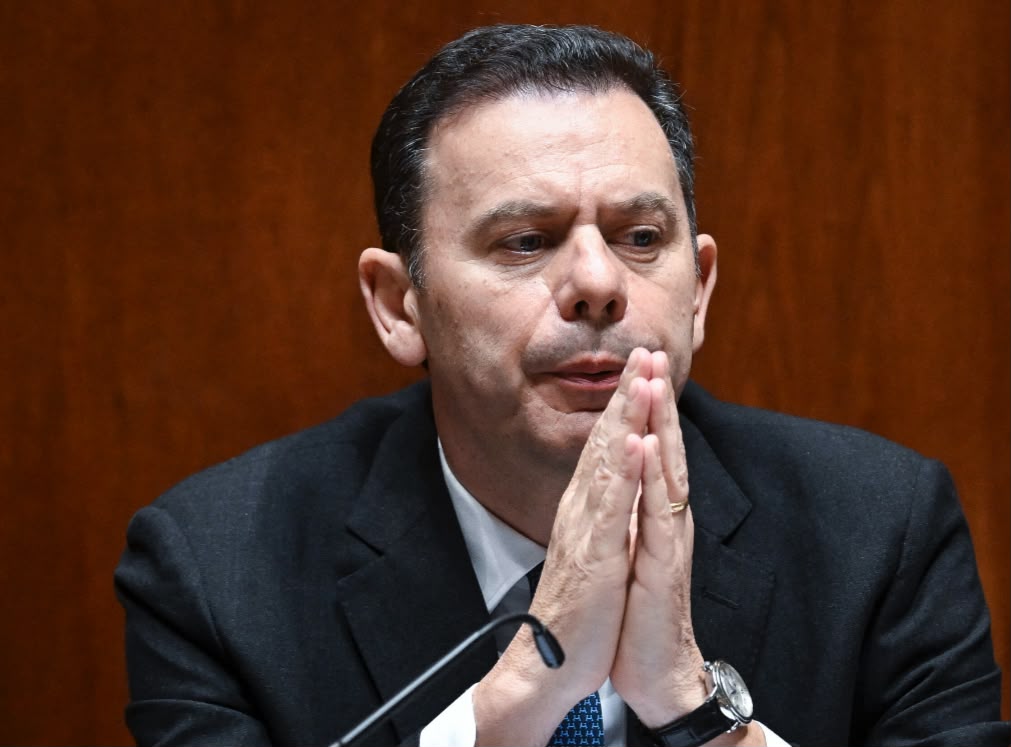
Prime Minister Luís Montenegro said the measures were designed to respond to households’ concerns while maintaining control over public finances.
“We must balance social sensitivity with budgetary responsibility … do not expect me or the government to offer illusions today that would come at a heavy price tomorrow,” he said in a televised address.
Montenegro also rejected broader proposals, including reducing value-added tax on essential food items to zero from 6 per cent, arguing that such measures could create additional pressure on the country’s public finances.
The government said the income tax reduction would primarily benefit middle-income households, although people with higher incomes could also receive some benefit because of Portugal’s progressive tax system.
The package also includes other measures linked to rising fuel costs. The government has approved the continuation of a temporary reduction in fuel-related taxes on petrol and diesel until the end of 2026, as well as €38 million in support for sectors particularly exposed to higher fuel prices.
Earlier on Thursday, Montenegro said Portugal was on course to record a budget surplus in 2026 for a fourth consecutive year. The government had previously projected a balanced budget for the year, partly because of additional spending linked to severe storms and the effects of higher oil prices.
The newly approved measures still require parliamentary approval. They are expected to receive support across party lines.