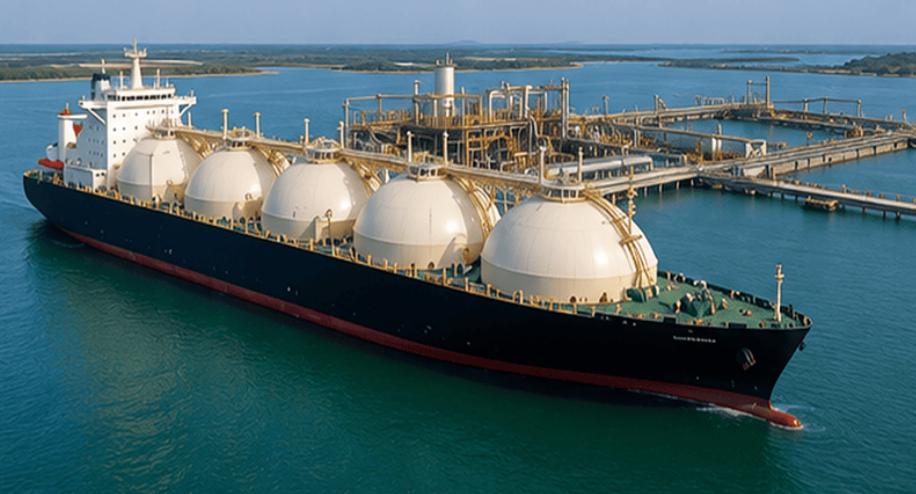
Nigeria’s petrol imports surged by 233.9 per cent between May and July 2026, despite the expansion of domestic refining capacity, raising fresh concerns over the country’s continued reliance on imported petroleum products.
The Centre for the Promotion of Private Enterprise (CPPE) disclosed this in a policy brief on petroleum-product imports and the future of domestic refining, citing data from the Nigerian Midstream and Downstream Petroleum Regulatory Authority (NMDPRA).
According to the data, average daily imports of Premium Motor Spirit (PMS), popularly known as petrol, increased from 5.9 million litres in May to 18.1 million litres in June and 19.7 million litres in July 2026.
At the same time, domestic petrol supply declined from 41.5 million litres per day in May to 32.5 million litres in June and 25.8 million litres in July.
As a result, imported petrol accounted for 43.3 per cent of total petrol receipts in July, compared with just 12.4 per cent in May.
CPPE Chief Executive Officer, Dr Muda Yusuf, described the development as a major policy concern, particularly at a time when Nigeria’s domestic refining capacity is expanding.
“Petroleum-product imports should function as a transparent supply-gap instrument—not as a parallel market that displaces adequate domestic production.”
Yusuf argued that where local refineries can provide petroleum products of acceptable quality, quantity and competitive prices, unnecessary import approvals could weaken investment, employment, foreign-exchange conservation and national energy security.
The development comes amid increased production potential from the Dangote Petroleum Refinery and other refineries expected to contribute to Nigeria’s domestic petroleum supply.
CPPE noted that Dangote Refinery reported a test run above 700,000 barrels per day in June, while NMDPRA had earlier reported average domestic refinery capacity utilisation of 99.12 per cent in April.
The organisation said the issue was not whether Nigeria should completely stop importing petrol, but whether import licences were being issued based on genuine and demonstrable supply shortages.
It noted that imports could remain necessary during refinery outages, seasonal increases in demand, quality gaps and strategic stock replenishment.
“The policy concern arises where import permits are issued without a transparent demonstration that domestic refiners cannot meet the relevant demand.”
Imports Should Fill Gaps, Not Displace Local Supply
CPPE called for a clearer regulatory distinction between imports required to address genuine shortages and those that compete directly with available domestic supplies.
The organisation argued that deregulation should not mean that regulators ignore the structure of petroleum supply in the country.
According to CPPE, excessive import approvals when domestic supply is adequate could reduce refinery utilisation, weaken local production and transfer demand, income and employment opportunities outside Nigeria.
The centre therefore urged NMDPRA to establish and publish the actual supply gap before approving significant volumes of petrol imports.
It proposed that such assessments should include projected demand, verified domestic production and inventories, committed refinery deliveries, product specifications, logistics constraints and the exact volume that would still need to be imported.
CPPE also recommended that import permits should correspond to verified supply gaps, contain specific shipment windows and expire automatically.
The organisation further proposed giving qualified domestic refiners a short, time-bound opportunity to meet any identified shortfall before the remaining volume is allocated to importers.
It also called for greater transparency through the publication of import permit beneficiaries, approved volumes and actual landed quantities, subject to legitimate commercial confidentiality.
FX, Jobs and Industrialisation at Stake
CPPE warned that unnecessary petrol imports could have wider consequences for Nigeria’s economy because every avoidable imported litre creates additional demand for foreign exchange.
The organisation said costs associated with imported petroleum products include the product itself, freight, insurance and other related charges.
It also highlighted the wider economic benefits of domestic refining, including activities in engineering, maintenance, fabrication, haulage, storage, maritime services and other professional sectors.
According to CPPE, refining is a strategic industry because it provides fuels and feedstocks for sectors such as petrochemicals, plastics, fertiliser, pharmaceuticals, paints and packaging.
The centre warned that policies that displace viable domestic refinery output could undermine Nigeria’s industrialisation objectives.
Crude Supply Remains Critical
CPPE, however, stressed that efforts to reduce dependence on imported petroleum products must be accompanied by reliable crude oil supplies for domestic refineries.
It argued that restricting product imports without ensuring adequate crude feedstock for local refineries would be contradictory.
The organisation called for stronger coordination among the Nigerian Upstream Regulatory Commission (NUPRC), NMDPRA and oil producers to ensure reliable domestic crude supply, commercially workable pricing and consistent deliveries to refineries.
CPPE clarified that its position was not a call for a blanket ban on petroleum imports or protection for inefficient refineries.
Instead, it proposed a framework of “domestic supply first, competition always, imports only for verified gaps.”
Under the proposed approach, domestic refiners would have to demonstrate deliverable volumes, meet the same quality requirements as imported products and compete on price.
Emergency import windows would remain available when inventories or refinery deliveries fall below clearly defined levels.
The centre also called for stronger competition oversight to prevent monopolistic pricing and abuse of market dominance.
CPPE said Nigeria should now move away from managing chronic dependence on imported petroleum products towards building a competitive domestic refining industry.
It added that the credibility of the country’s industrialisation agenda would partly depend on whether regulators align their daily decisions with the objective of strengthening domestic production.