Oil prices extended their gains on Tuesday as hopes for a US-Iran agreement to reopen the Strait of Hormuz weakened, keeping investors concerned about prolonged disruption in the key energy route.
Brent crude futures rose 0.4% to $91.20 a barrel, extending gains into a third consecutive day in Asian trading. US West Texas Intermediate crude also gained 0.6% to $84.99 a barrel.
The continued rise in crude prices has raised concerns that inflation could remain elevated, particularly if the Middle East crisis keeps oil prices around the $90-a-barrel level.
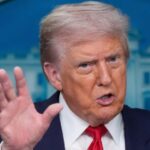
The outlook for a deal between Washington and Tehran remained uncertain after US President Donald Trump said he would not extend a 60-day truce, while Iran dismissed the arrangement as irrelevant, accusing the US of violating it earlier.
Trump’s envoy and son-in-law, Jared Kushner, said the two sides were still engaged in “very positive and active conversations” but acknowledged the lack of trust between Washington and Tehran.
The US president also warned that he could take military action against Oman if it interfered with efforts to reach an agreement concerning the Strait of Hormuz, where Oman and Iran have been holding separate discussions.
Meanwhile, global stock markets were mixed. South Korea’s market initially gained more than 2% after reopening from a long weekend but later pared the advance, while markets in Tokyo, Hong Kong, Shanghai, Singapore, Taipei and Manila recorded losses.
US stocks also ended lower, with the Dow Jones Industrial Average falling 0.5%, while London’s FTSE 100 declined 0.3%.
Analysts warned that investors were increasingly having to contend with the combined effects of geopolitical tensions, higher oil prices and rising long-term US Treasury yields.
Stephen Innes, global strategist at Quintex Intel, said the risks that investors had previously treated separately were now beginning to converge, making the market outlook increasingly uncomfortable.
Source: AFP