
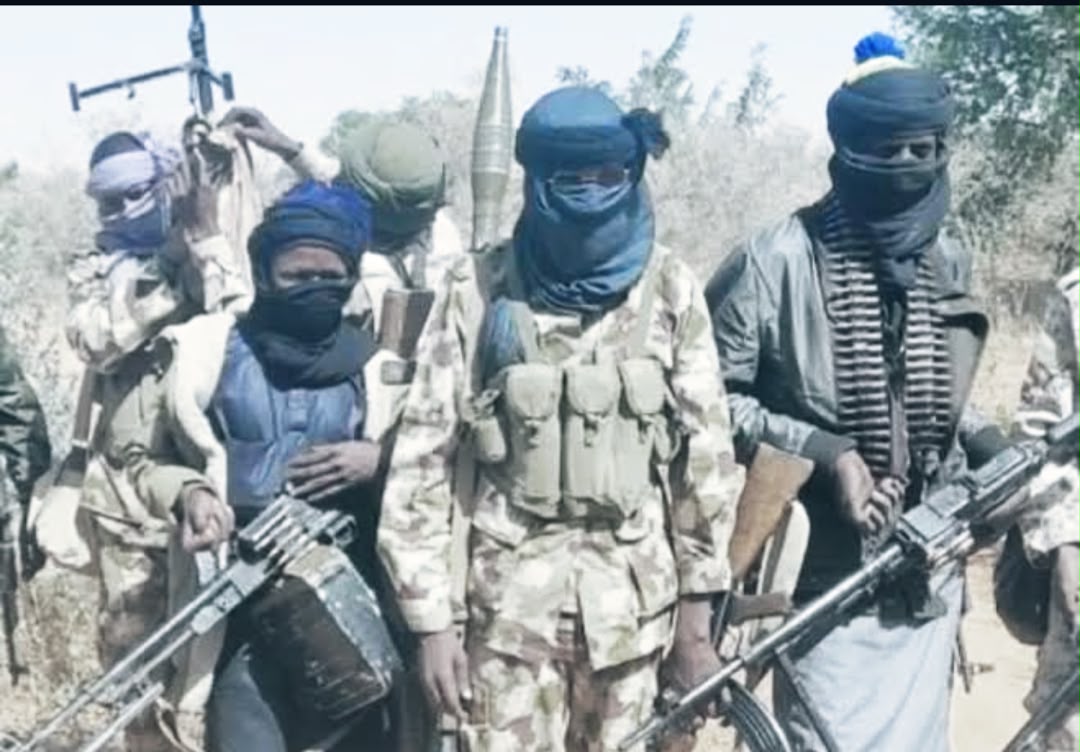
A new report by The New York Times has revealed that Boko Haram and Islamic State West Africa Province (ISWAP) members allegedly used artificial intelligence (AI) tools to improve bomb-making techniques and plan some of their operations.
According to the report, former insurgents told Antonia Juelich, a terrorism and technology researcher at the University of Cambridge, that the groups relied on AI platforms, including ChatGPT, Claude, Gemini, Grok and DeepSeek, to seek answers to operational challenges.
One former Boko Haram commander reportedly said the group turned to AI after an attack on a military base was hindered by a defensive trench.
According to him, they asked AI how to modify motorcycles to overcome such obstacles and later adjusted the bikes for greater speed and jumping ability before carrying out operations.
“We used AI to learn how to do this. We gave it information, like what motorcycles we use and the distance we need to jump… and it gave us steps on what we have to do,” the former commander reportedly said.
The report also claimed that some former ISWAP members admitted using AI chatbots to obtain information related to bomb-making.
One former commander was quoted as saying:
“You type in the question or use your voice, and it gives you a detailed answer… It is like a human robot! We used it a lot.”
Another former insurgent reportedly claimed AI helped improve the effectiveness of explosive devices.
“Before, the bomb explosion was not that big… AI told us what chemicals to put in that made the explosion heavier,” he allegedly said.
Reacting to the report, OpenAI told The New York Times that such use of its technology violates its policies.
Meanwhile, Google and Anthropic said their AI models are designed with safeguards that reject requests involving dangerous or harmful activities.
However, the report stated that some former insurgents claimed they were sometimes able to bypass chatbot safety restrictions by disguising their requests as legitimate projects.
Source: The New York Times.