
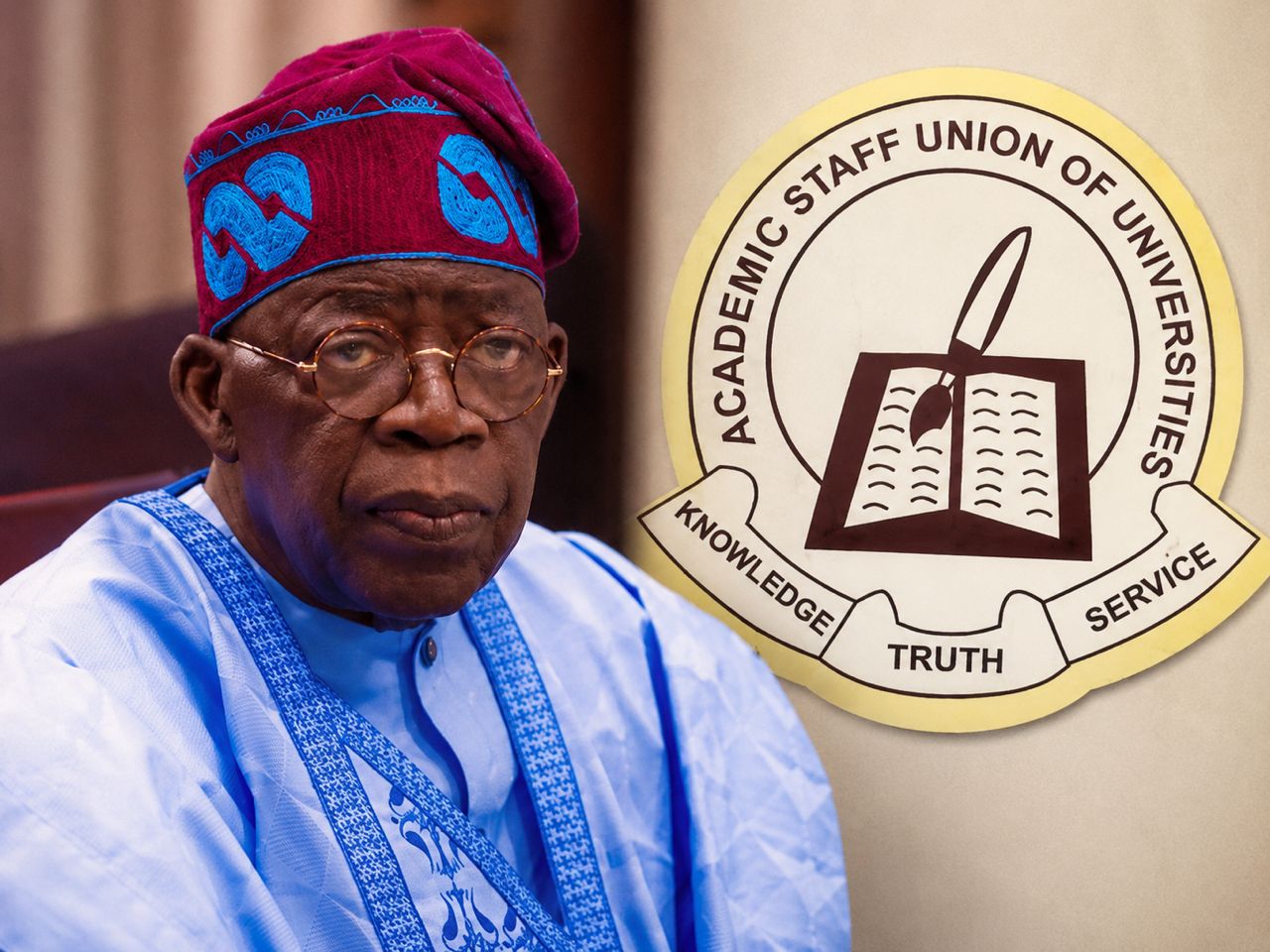
The Academic Staff Union of Universities (ASUU) has strongly opposed the Federal Government’s proposed plan to remove certain university courses considered “irrelevant” from Nigerian higher institutions.
The union warned that scrapping academic programmes could create more problems for the country’s education system instead of solving unemployment.
Speaking during a press conference in Bauchi, ASUU’s Bauchi Zonal Coordinator, Comrade Namo Timothy, described the government’s position as shocking and unacceptable.
The controversy began after the Minister of Education, Tunji Alausa, announced that the government was considering phasing out courses believed to have little economic value.
According to the minister, the move is part of efforts to align university education with job market demands, innovation and global trends.
But ASUU says the government is oversimplifying Nigeria’s unemployment crisis.
Timothy argued that every course offered in Nigerian universities plays an important role in society and personal development.
He specifically defended courses in the humanities and social sciences, including philosophy, religious studies, linguistics and fine arts, saying they help build critical thinking, creativity, communication and other important life skills.
According to him, blaming unemployment on graduates from certain fields ignores the country’s deeper economic and governance problems.
“Every course has value,” ASUU insisted.
The union warned that it would resist any attempt to abolish academic programmes in Nigerian universities, stressing that education should not be reduced only to courses with immediate financial returns.
Beyond the course controversy, ASUU also raised concerns about unresolved issues between the union and the government.
The lecturers accused both federal and state governments of failing to fully implement agreements reached with ASUU in December 2025.
Among the issues listed were unpaid salaries, promotion arrears, wage award backlogs and unresolved deductions linked to the IPPIS payment platform.
The union warned that the growing frustration among lecturers could lead to another round of industrial action if urgent steps are not taken.
ASUU called on Nigerians, stakeholders and the media to pressure the government into resolving the lingering issues before tensions escalate further within the university system.
The latest disagreement adds to ongoing concerns about the future of Nigeria’s education sector and the relationship between university lecturers and the government.