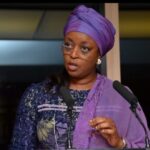
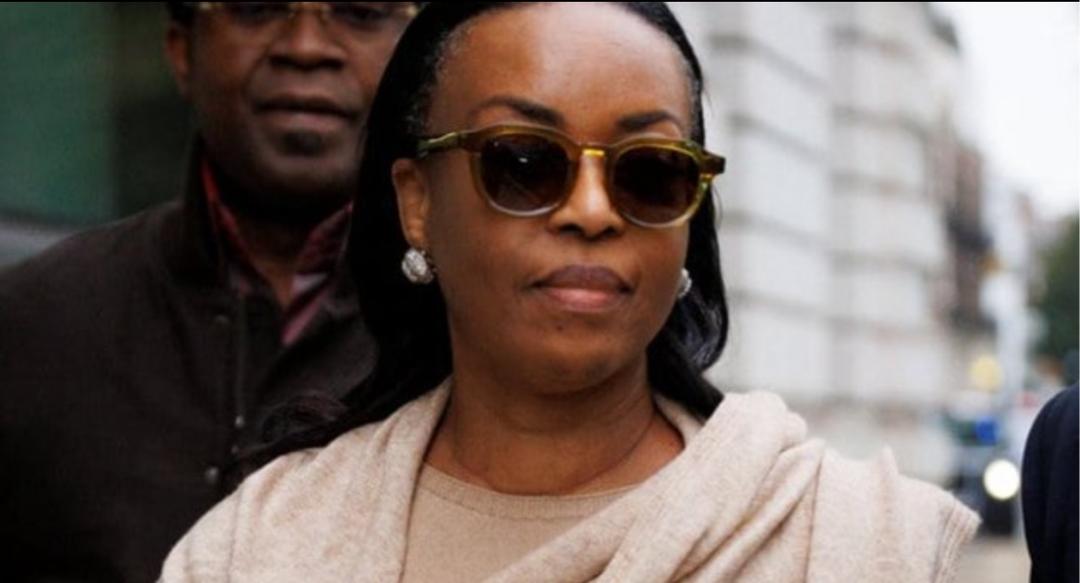
The acquittal of former Petroleum Minister Diezani Alison-Madueke by a United Kingdom court has sparked widespread reactions from legal experts, civil society advocates, and members of the public.
On Wednesday, a jury at Southwark Crown Court cleared the former minister of six counts of bribery and conspiracy after more than 46 hours of deliberation, bringing an end to a lengthy legal battle that began years ago.
Prosecutors had accused Alison-Madueke of receiving cash, luxury gifts, private jet trips, and other benefits from individuals linked to Nigeria’s oil and gas sector while serving as petroleum minister.
However, she consistently denied the allegations, with her legal team arguing that many of the expenses highlighted by prosecutors were legitimate and properly accounted for.
Despite her acquittal in the UK, the former minister remains a controversial figure in Nigeria, where several investigations and asset recovery cases linked to her tenure continue.
Reacting to the verdict, David Babajide, Director of the Justice and Human Rights Reforms Initiatives (JHRRI), described the outcome as a setback for British authorities after years of investigation.
“It does not mean all allegations against her are false. It simply indicates that the evidence in this criminal trial was insufficient to secure a conviction,” he said.
Legal practitioner Wahab Abdullah also noted that public opinion and suspicion cannot replace the burden of proof required in criminal proceedings.
“The prosecution carried the burden of proving guilt beyond a reasonable doubt, and if the jury was not convinced that the evidence met that standard, the acquittal was legally correct,” he stated.
Abdullah further explained that the UK court’s decision does not automatically end legal proceedings involving Alison-Madueke in Nigeria.
“The UK acquittal does not automatically end Nigerian legal proceedings. If the EFCC has pending criminal charges against Alison-Madueke in Nigeria, those cases remain active unless they are withdrawn or dismissed by Nigerian courts,” he added.
Meanwhile, Professor of Law Andrew Abeh described the verdict as a major victory for the former minister.
“I commend the London court for the judgment, and I can also describe the judgment as a sweet victory for the former minister,” he said.
Abeh, however, raised concerns about the possibility of a fresh trial in Nigeria if it involves the same offences already addressed in the UK proceedings.
The development has reignited debate over corruption allegations, asset recovery efforts, and the future of ongoing legal actions involving the former OPEC president.
Source: Southwark Crown Court, UK / Legal Experts’ Reactions.