Nigeria’s recent banking and monetary reforms are beginning to attract international attention, with the Central Bank of Nigeria (CBN) receiving global recognition for measures aimed at stabilising the economy, restoring investor confidence, and strengthening the financial system.
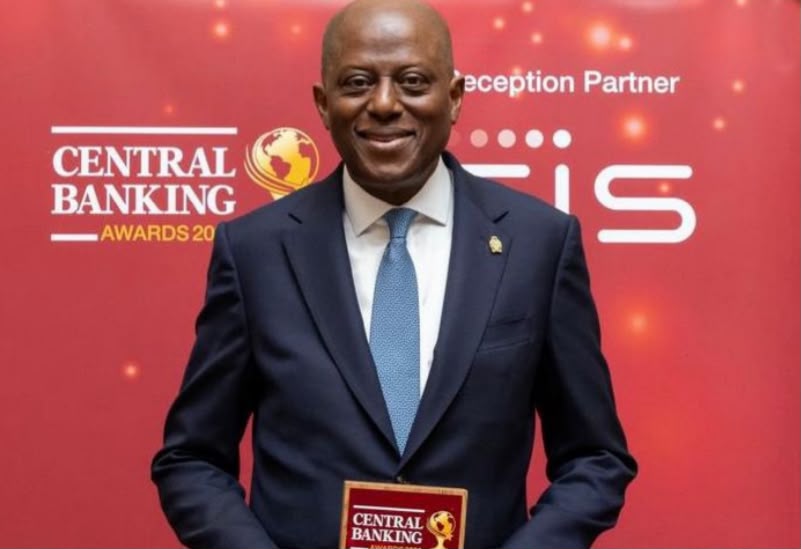
The spotlight fell on CBN Governor Olayemi Cardoso, who was named Central Bank Governor of the Year 2026 by the prestigious Central Banking Awards Committee in London.
The award is being viewed as a major endorsement of the reforms introduced by the apex bank since 2023, particularly in areas such as inflation control, foreign exchange management, banking sector recapitalisation, and financial market transparency.
From Economic Turbulence To Reform
When President Bola Tinubu assumed office in 2023, Nigeria was grappling with severe economic challenges, including high inflation, foreign exchange instability, and declining investor confidence.
To address these issues, the administration introduced major reforms, including the removal of fuel subsidies and the liberalisation of the foreign exchange market.
While the policies initially led to economic hardship and rising prices, financial experts say they laid the foundation for longer-term stability.
How The CBN Responded
Under Cardoso’s leadership, the CBN rolled out several reforms designed to restore confidence in Nigeria’s financial system.
One of the most significant changes was the introduction of a more market-driven foreign exchange system, replacing multiple exchange rate windows with a unified framework.
The apex bank also cleared outstanding foreign exchange obligations owed to businesses and investors, helping improve confidence in the Nigerian economy.
In addition, stricter monetary policies were introduced to combat inflation, while efforts were made to improve governance, transparency, and accountability within the institution.
Signs Of Improvement Emerging
According to reports highlighted during the award presentation, the reforms have started producing measurable results.
Nigeria’s external reserves improved significantly, while the gap between official and parallel market exchange rates narrowed considerably.
The country also secured removal from the Financial Action Task Force (FATF) Grey List, a development widely seen as a positive signal to international investors.
Inflation, which had surged to historic levels, has also shown signs of easing following a series of policy adjustments by the Central Bank.
Why The Award Matters
Economic analysts say the recognition goes beyond an individual achievement.
The award sends a message to investors, international financial institutions, and global markets that Nigeria is making efforts to strengthen economic governance and improve policy consistency.
According to investment experts, international recognition of the CBN could encourage fresh investments into sectors such as banking, fintech, infrastructure, manufacturing, and agriculture.
Focus On Long-Term Growth
The CBN says its reform agenda remains focused on building a stronger financial system, improving market confidence, promoting financial inclusion, and ensuring sustainable economic growth.
Cardoso described the award as a reflection of the collective efforts of the institution’s workforce and reaffirmed the bank’s commitment to maintaining financial stability and supporting Nigeria’s economic recovery.
As the country continues its economic transformation journey, the success of these reforms will likely be measured by their ability to deliver lasting improvements in jobs, investment, price stability, and overall living standards.
Source: Adapted from reports on the Central Banking Awards 2026, statements by CBN Governor Olayemi Cardoso, and analysis from financial experts.