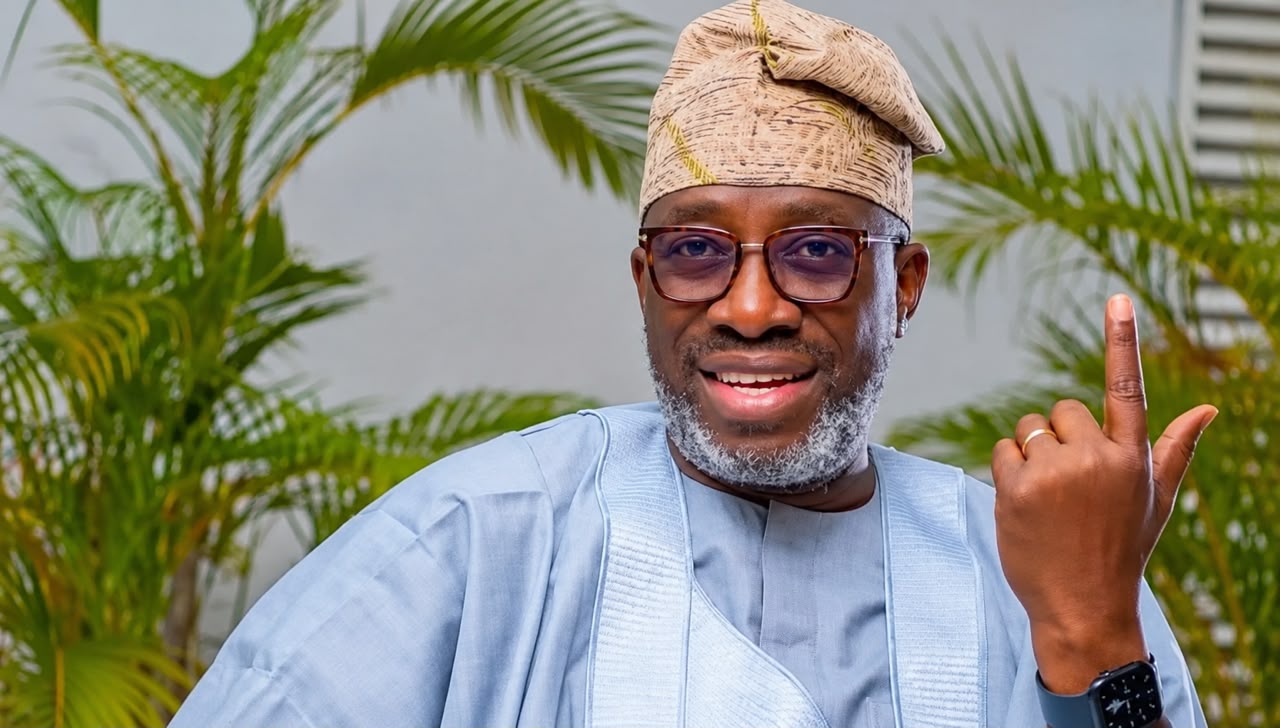
Segun Sowunmi, Convener of The Alternative, has said the political coalition that formed the All Progressives Congress (APC) ahead of the 2015 presidential election survived because Bola Tinubu was willing to put aside his personal disappointment for the wider interests of the alliance.
Sowunmi made the comment while speaking with Enitan Bello about the formation of the APC and the negotiations that shaped the party’s strategy before the 2015 election.
According to him, the coalition could have faced serious problems if Tinubu had insisted that his own political ambitions take priority over the agreement reached by the different groups that came together to form the party.
Sowunmi said one of the major moments came after Muhammadu Buhari emerged as the coalition’s presidential candidate, when Tinubu’s reported ambition to become Buhari’s running mate could not be realised because the parties rejected a Muslim-Muslim presidential ticket.
“Do you know that one of the reasons why that APC coalition worked is because for whatever reason, Bola was able to manage his own hurt,” he said.
Sowunmi explained that Tinubu had wanted the vice-presidential slot but eventually accepted the decision reached by the coalition.
“He wanted to be vice. They said after they had achieved the coalition, and they had achieved that Muhammadu Buhari was going to be the candidate. Now let us put his name, they came and said they cannot do Muslim-Muslim ticket,” Sowunmi said.
He said the situation could have been personally painful for Tinubu, but argued that the former Lagos governor did not allow the setback to destroy the emerging political alliance.
“Do you know how excruciatingly painful that would be? Did you ever see him start getting angry, destroying the party? Do you know what it takes for him to just press it down for the greater good?” he asked.
Sowunmi also pointed to Tinubu’s role in bringing Yemi Osinbajo into the arrangement that eventually produced Buhari and Osinbajo as the APC’s presidential and vice-presidential candidates in 2015.
“Do you know what it takes for him to go and bring Osinbajo who’s just busy somewhere doing his only Jesus can save and suddenly you are vice president?” he said.
He described such decisions as examples of the compromises required to build a political institution capable of lasting beyond individual ambitions.
“Such compromises is part of the price of building an institution that can last,” he said.
The APC went on to defeat the then-ruling Peoples Democratic Party (PDP) in the 2015 presidential election, with Buhari becoming president and Osinbajo serving as vice president. Contemporary accounts also document that the APC opted for a Buhari-Osinbajo ticket rather than a Muslim-Muslim ticket in that election.