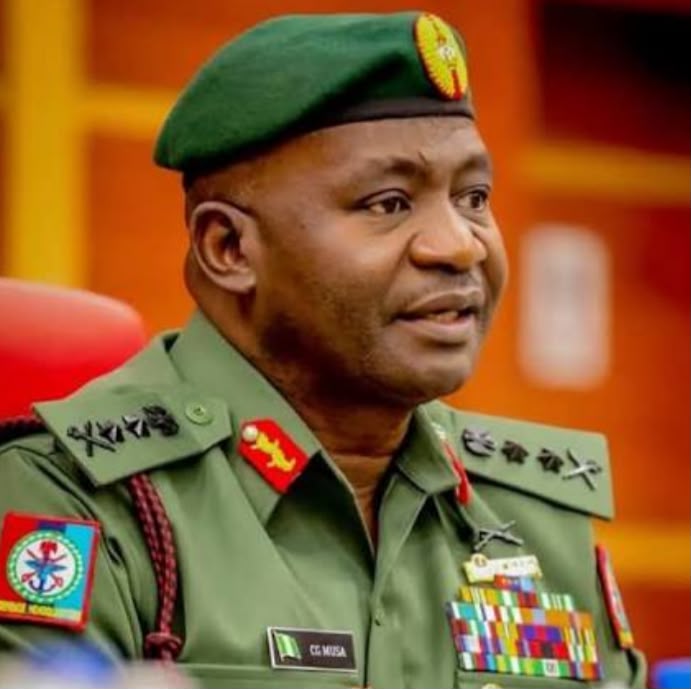
Nigeria’s Minister of Defence, General Christopher Musa (retd.), has raised concerns over the role some citizens play in helping terrorists, bandits, and insurgents carry out their operations, warning that insecurity cannot be defeated without public cooperation.
Speaking at the 2026 edition of The Platform Nigeria, a Democracy Day event hosted by Pastor Poju Oyemade, the Defence Minister said criminal groups continue to survive because they receive support from individuals within local communities.
According to Musa, terrorists depend on collaborators for food, information, logistics, and funding, making it more difficult for security agencies to completely dismantle their networks.
“The Enemy Is Often Within”
The minister explained that modern security threats differ from conventional warfare because the enemies are not always external forces.
He noted that some of the people benefiting from government protection may secretly be working against national security, supplying intelligence and resources to criminal groups operating across the country.
Musa described such support as the “oxygen” that keeps terrorists and bandits active, stressing that security agencies cannot win the battle alone if citizens continue to assist criminal elements.
Citizens Must Play Their Part
The Defence Minister urged Nigerians to expose anyone aiding insecurity and work closely with security agencies to help identify threats within their communities.
He emphasized that meaningful progress can only be achieved when citizens actively support efforts to combat terrorism, insurgency, and banditry.
Musa also called for national unity, warning that criminal groups often exploit ethnic, religious, and political divisions to strengthen their activities and create instability.
Saraki Speaks On Democracy And Accountability
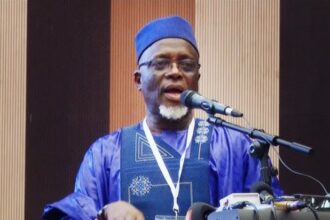
Also speaking at the event, former Senate President Bukola Saraki highlighted the importance of an independent National Assembly in protecting democracy.
Saraki argued that lawmakers must be willing to critically examine government policies and decisions rather than simply approving executive proposals without proper scrutiny.
According to him, a legislature that cannot challenge or question the executive has failed in its constitutional responsibility and weakens democratic accountability.
He maintained that legislative independence is not an act of opposition to the government but a necessary ingredient for transparency, credibility, and good governance.
The remarks from both leaders come amid ongoing concerns about insecurity and democratic accountability in Nigeria, as citizens continue to demand stronger action against terrorism and better governance across the country.
Source: Adapted from remarks made at The Platform Nigeria 2026