The Nigeria Labour Congress (NLC) has defended its position that Nigerian workers deserve significantly higher wages, insisting that employees should not suffer because of poor governance and economic mismanagement.
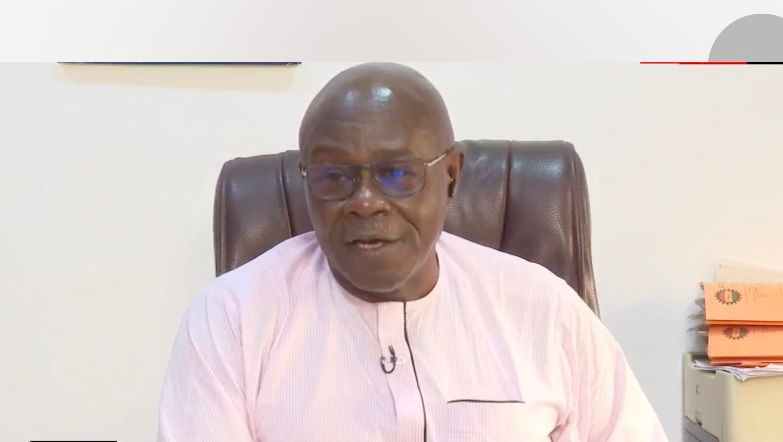
Speaking on the state of the economy and workers’ welfare, NLC spokesperson Benson Upah argued that the current economic realities have severely weakened the purchasing power of workers across the country.
According to him, the combined effects of fuel subsidy removal, rising electricity tariffs, increased telecom charges, naira depreciation, inflation, and higher living costs have made survival increasingly difficult for ordinary Nigerians.
Upah maintained that while workers continue to struggle with rising expenses, government revenues have grown substantially, raising questions about why improved earnings have not translated into better welfare for workers.
The labour leader also expressed concern over the rapid decline in the value of the current minimum wage, saying inflation has eroded workers’ earnings within a short period.
He argued that many state governments blaming poor finances for their inability to pay higher wages should be held accountable for governance decisions and resource management.
According to him, workers should not become victims of official inefficiency, especially at a time when states are receiving increased allocations from the Federation Account Allocation Committee (FAAC).
The NLC spokesman further criticised what he described as a system that favours political office holders while leaving workers to constantly battle for wage reviews and better working conditions.
On President Bola Tinubu’s economic reforms, Upah acknowledged that some analysts believe the policies have improved key economic indicators, but insisted that ordinary Nigerians have borne the brunt of the reforms through higher costs of living and declining purchasing power.
He argued that while economic reforms may be necessary, they should be implemented in a way that protects vulnerable citizens and minimises hardship.
Upah also called for greater investment in productive sectors such as agriculture, manufacturing, technology, and small businesses to stimulate job creation and improve living standards.
The labour leader maintained that Nigeria’s biggest challenge remains the collapse of purchasing power, stressing that many workers now earn salaries that no longer reflect the realities of the economy.
Assessing the Tinubu administration’s performance after three years in office, Upah gave the government a score of 40 percent, saying there is still room for improvement in workers’ welfare, employment, and economic management.
He urged the government to prioritise policies that reduce hardship, create jobs, improve wages, and restore the purchasing power of Nigerian workers.
Source: Interview with NLC spokesperson, Benson Upah.