A leading policy think-tank, Agora Policy, has said that increasing electricity tariffs alone will not solve Nigeria’s deep-rooted power sector problems, insisting that broader reforms are urgently needed to improve electricity supply and revive confidence in the industry.
In a comprehensive review of Nigeria’s electricity market more than a decade after the 2013 privatisation of power assets, Agora argued that many of the sector’s biggest challenges go beyond pricing. According to the report, issues such as poor revenue collection, weak infrastructure, gas supply disruptions, transmission bottlenecks and the gradual exit of industrial customers from the national grid continue to hinder progress.
The think-tank noted that while Nigeria had over 13,600 megawatts of installed generation capacity by the end of 2025, the country was producing only a fraction of that amount. It explained that more than half of the available power generation capacity remains unused due to operational and structural challenges within the sector.
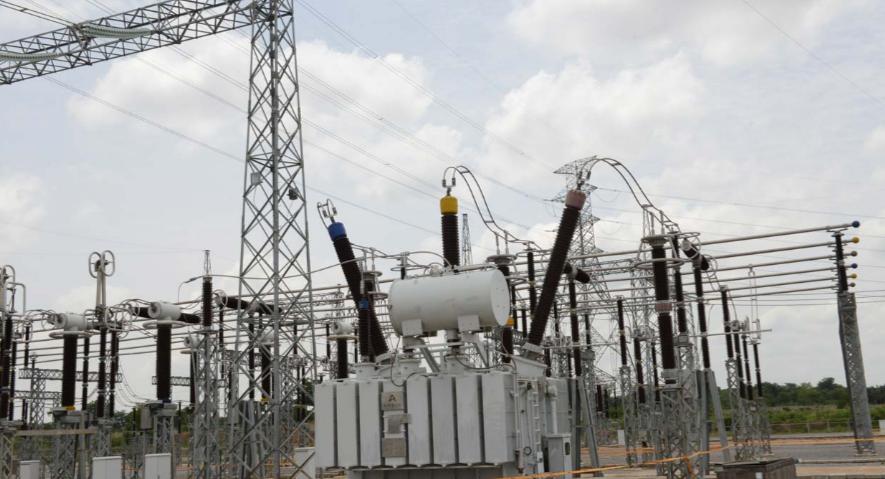
Agora also pointed to the continued fragility of the national grid, recalling that despite improvements compared to previous years, the system still experienced major disruptions and collapses in 2025. The organisation described transmission as one of the weakest links in Nigeria’s electricity value chain, noting that it remains under government control and has not received the level of reform seen in generation and distribution.
Another major concern highlighted in the report is Nigeria’s gas-to-power challenge. Since most power plants depend on natural gas, disputes over payments, inadequate infrastructure and unreliable gas supply continue to affect electricity generation across the country.
The report further revealed that electricity distribution companies continue to record significant losses due to poor metering, energy theft, weak billing systems and collection challenges. According to Agora, these inefficiencies resulted in hundreds of billions of naira in lost revenue during 2025 alone.
Reviewing the 2013 power sector privatisation, the think-tank argued that while ownership changed hands, many of the sector’s underlying problems remained unresolved. It stated that several distribution companies were sold without accurate customer data, while many investors entered the sector with limited experience in electricity management and relied heavily on debt financing.
Agora also warned that more industries are abandoning the national grid and generating their own electricity because of unreliable power supply. The loss of these major customers, it said, has weakened the sector’s revenue base and increased pressure on households and small businesses that remain connected to the grid.
The organisation acknowledged that the Electricity Act 2023 has created opportunities for states to establish independent electricity markets. While this could encourage investment and improve power supply in economically stronger states, Agora cautioned that it could also widen regional inequalities if not properly coordinated.
Although the think-tank agreed that tariff adjustments may be necessary to attract investment and reduce government subsidies, it stressed that price increases alone cannot fix the sector’s fundamental problems.
Instead, it recommended stronger metering systems, improved billing and revenue collection, better gas supply agreements, rehabilitation of transmission infrastructure, and policies that can attract large industries back to the national grid.
According to Agora, electricity reform should be viewed as a national development priority because inadequate power supply continues to affect businesses, healthcare, education, food preservation and overall economic growth.
The group called for a coordinated effort involving federal and state governments, regulators, electricity companies, gas suppliers and development partners to rebuild the sector and deliver reliable power to millions of Nigerians.
Source: Agora Policy Report