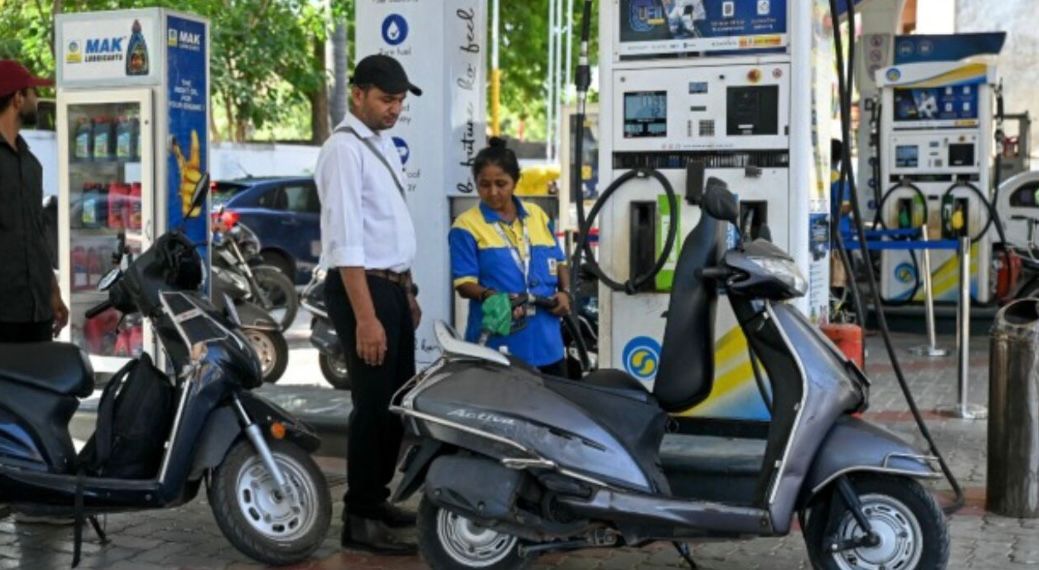
India has increased petrol and diesel prices by more than three per cent as the growing crisis in the Middle East continues to disrupt global energy supplies and place heavy pressure on the country’s economy, forcing authorities to introduce fresh austerity measures aimed at reducing fuel consumption and conserving foreign exchange reserves.
The price adjustment, announced on Friday by India’s state-owned oil companies, marks the first major increase in fuel costs since tensions escalated earlier this year following the conflict involving Iran and the resulting near-total blockage of the Strait of Hormuz, one of the world’s most important oil shipping routes.
India, currently the world’s third-largest crude oil importer, depends heavily on the strategic waterway for energy supplies, with nearly half of its imported crude normally transported through the Strait of Hormuz. The ongoing disruption has significantly affected supply chains and increased the cost of crude oil on the international market.
According to pricing data released by the Indian Oil Corporation, petrol prices in New Delhi climbed from 94.77 rupees to 97.77 rupees per litre, while diesel prices increased from 87.67 rupees to 90.67 rupees per litre. Fuel rates are expected to vary across different parts of the country due to state taxes and regional levies.
Oil marketers explained that the decision became unavoidable as they had continued to absorb losses caused by the sharp rise in global crude prices since the outbreak of the Middle East conflict. The government had earlier increased the price of liquefied petroleum gas (LPG), which remains the primary cooking fuel for millions of Indian households.
The latest increase comes as Indian authorities intensify measures to reduce pressure on the economy and manage fuel demand amid fears of worsening supply shortages. Officials have begun introducing restrictions aimed at cutting fuel usage and limiting unnecessary transportation.
Delhi Chief Minister announced new measures requiring some government employees to work remotely two days each week where possible, while residents were strongly encouraged to reduce the use of private vehicles in order to minimise fuel consumption.
Prime Minister Narendra Modi defended the measures, explaining that fuel conservation had become necessary to protect the country’s foreign exchange reserves, much of which is spent on importing petroleum products.
India has recently increased imports of Russian crude oil to offset declining supplies from the Middle East, taking advantage of a temporary waiver on sanctions previously introduced by the United States. However, with the waiver expected to expire soon, concerns have intensified about future supply stability and rising import costs.
Indian Foreign Minister Subrahmanyam Jaishankar criticised what he described as unfair unilateral sanctions that disproportionately hurt developing economies, although he did not directly mention the United States during his remarks.
Speaking during a meeting with foreign ministers from BRICS nations, including Iran’s Abbas Araghchi and Russia’s Sergey Lavrov, Jaishankar argued that economic pressure and sanctions could not replace diplomatic engagement.
He stressed that punitive economic measures place severe burdens on developing nations and warned that coercive strategies often weaken global stability instead of resolving conflicts through constructive dialogue and negotiation.
The ongoing Middle East crisis continues to create uncertainty in global oil markets, with many countries now struggling to balance rising fuel costs, economic stability, and energy security as geopolitical tensions deepen.
(AFP)