
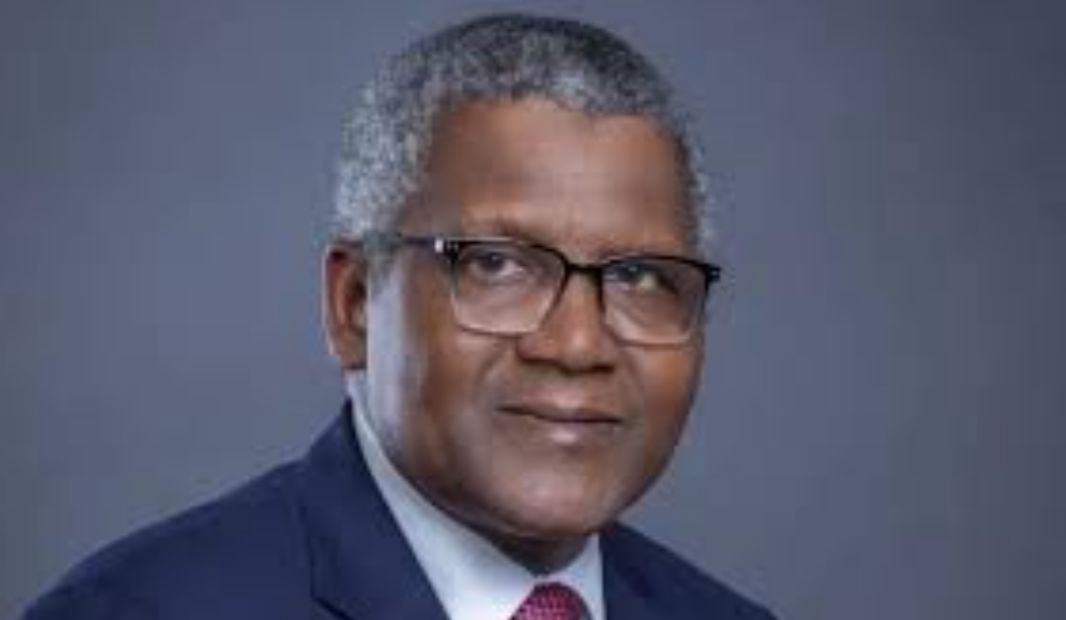
Africa’s richest businessman, Aliko Dangote, is considering Kenya as the preferred location for a proposed $17bn oil refinery project that could transform fuel production across East Africa.
According to reports, the planned refinery would have a processing capacity of 650,000 barrels per day — the same scale as Dangote’s Lagos refinery, currently regarded as the world’s largest single-train refinery.
Dangote revealed that he is leaning towards the Kenyan coastal city of Mombasa because of its deeper seaport, stronger economy, and larger fuel consumption market compared to the earlier proposed Tanzanian location in Tanga.
The billionaire industrialist explained that the refinery would process crude oil from Uganda and other international suppliers, while helping East African countries reduce their heavy dependence on imported petroleum products from the Middle East and other regions.
He also stressed that the success of the project would depend largely on policy support and investment protection from the Kenyan government, warning that cheap fuel imports from countries like Russia and India could threaten the survival of local refineries without proper safeguards.
The development comes shortly after the successful operation of Dangote’s multi-billion-dollar refinery in Lagos, which has significantly improved Nigeria’s fuel supply situation and boosted exports of refined products, including aviation fuel and fertiliser.
Reports also suggest the proposed refinery has already sparked competition between Kenya and Tanzania, with both countries seeking to attract the mega investment that could reshape energy supply, industrial growth, and job creation across East Africa.
Dangote further disclosed plans to expand the capacity of his Lagos refinery from 650,000 barrels per day to 1.4 million barrels daily within the next 30 months, a move expected to position the facility among the biggest refining operations in the world.
He maintained that Africa must invest in its own industrial capacity rather than continue depending heavily on foreign markets for strategic energy supplies, especially amid rising global tensions and fuel supply disruptions.