The United States is seeking global support at the United Nations over escalating tensions with Iran in the Strait of Hormuz.
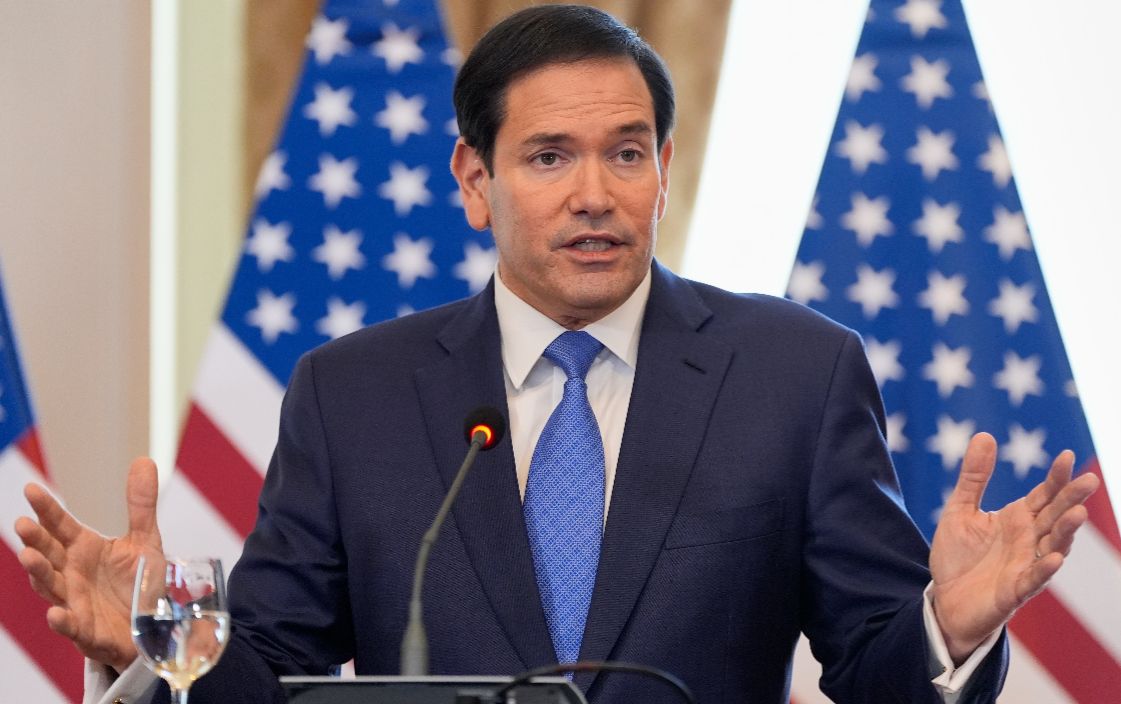
U.S. Secretary of State Marco Rubio said Washington wants international condemnation of Iran’s actions and protection for global shipping routes.
The Strait of Hormuz, a key global shipping route, handles about a quarter of the world’s oil trade, along with major supplies of fuel and fertiliser. Recent clashes in the region have raised serious concerns about global energy security.
Tensions intensified after Iran moved to restrict access to the waterway following joint military strikes by the United States and Israel earlier this year. In response, U.S. President Donald Trump ordered a naval blockade and warned that any attempt to deploy mines in the strait would be met with force.
According to U.S. Central Command, Iranian forces recently launched drones, cruise missiles, and deployed small boats targeting U.S.-flagged vessels. No casualties or damage were reported.
Iran, however, described the action as “warning shots,” claiming U.S. naval movements near the strait violated an existing ceasefire agreement.
The situation remains tense, with conflicting reports from both sides. Iran accused the United States of targeting civilian vessels and causing casualties, while Washington insists Iran is endangering international shipping by placing mines and attacking commercial ships.
Rubio strongly criticised Iran’s actions, calling them illegal and unacceptable under international law. He stressed that no country should control or disrupt a global trade route in such a manner.
The United States has now turned to the United Nations, urging member states to condemn Iran’s actions and demand the removal of threats in the waterway.
Rubio said the request is straightforward—ensure safe passage for commercial vessels and allow humanitarian supplies to move freely through the strait.
He also questioned the effectiveness of the UN if it cannot respond to what he described as a clear violation of international norms.
Amid rising tensions, Iran has предложed reopening the Strait of Hormuz and de-escalating the conflict if the U.S. lifts its naval blockade. While Trump confirmed receiving the proposal, there has been no official acceptance.
At the same time, the United States has accelerated arms sales to regional allies, including Israel, Qatar, the United Arab Emirates, and Kuwait, signaling continued strategic positioning in the region.
The growing standoff in the Strait of Hormuz highlights the fragile balance between military action and diplomacy in the Middle East. As global powers engage at the United Nations, the outcome could shape not only regional stability but also the flow of critical global energy supplies.