Tinubu Appoints Suleiman as NHRC Chair, Forwards 14 Names for Confirmation
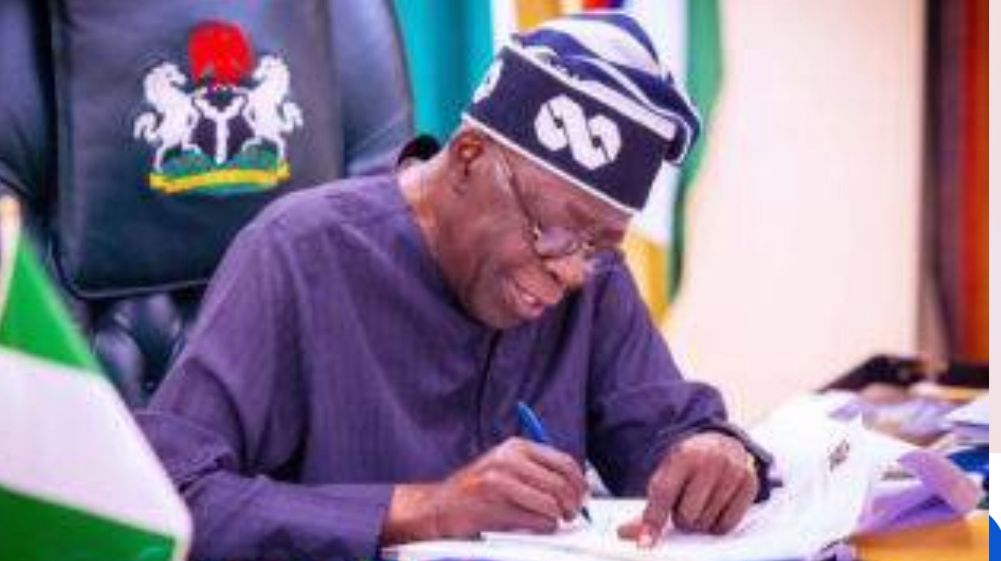
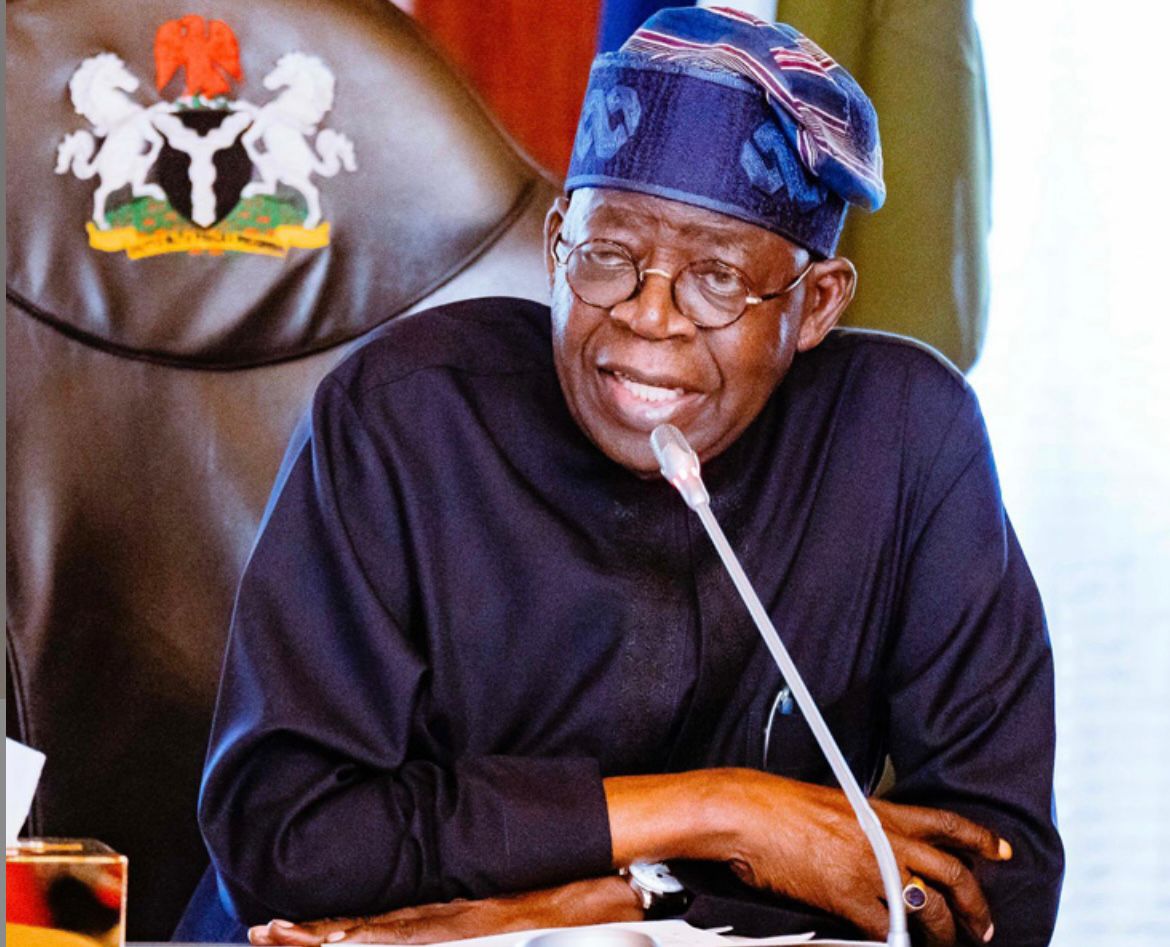
President Bola Ahmed Tinubu has taken a significant step toward strengthening Nigeria’s human rights framework by nominating a new governing board for the National Human Rights Commission (NHRC). The president has formally requested the Senate’s confirmation of 15 nominees, including a new chairperson and key officials expected to steer the commission’s activities in the coming years.
The request was conveyed in an official letter addressed to Senate President Godswill Akpabio and read during plenary on Tuesday, signaling the administration’s intention to reconstitute the commission’s board in line with existing legal provisions.
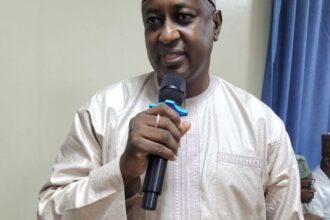
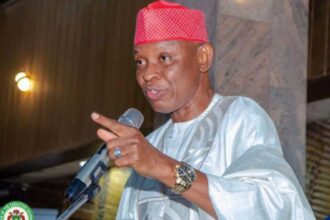
At the forefront of the nominations is Dr. Salamatu Hussaina Suleiman, who has been selected to serve as Chairperson of the board. Also nominated is Dr. Anthony Ojukwu (SAN), who is proposed to continue in his role as Executive Secretary, a position central to the day-to-day operations and policy implementation of the commission.
In addition to these key appointments, the president submitted 13 other nominees drawn from a wide range of professional backgrounds, reflecting an effort to ensure diversity and expertise within the commission. Notable among them are media professionals Ayo Adewuyi of the Nigerian Television Authority (NTA) and Maupe Ogun of Channels Television, alongside legal expert Chinonye Obiaku (SAN).
President Tinubu stated that the nominations were made in accordance with Section 2(3) of the National Human Rights Commission (Establishment) Act, 2010, which empowers the president to constitute the board, subject to confirmation by the Senate. He emphasized that reconstituting the board is essential to strengthening the institutional capacity of the commission and enhancing its ability to effectively promote and protect human rights across the country.
Following the presentation of the nominees, the Senate referred the list to its Committee on Judiciary, Human Rights, and Legal Matters for screening. The committee has been given a two-week timeline to conduct its review and report back to the chamber.
The move underscores the administration’s broader commitment to institutional reform and accountability. Observers note that a well-structured and competent board will be critical in addressing ongoing concerns around civil liberties, law enforcement practices, and the protection of fundamental rights in Nigeria.
If confirmed, the newly constituted board will play a pivotal role in reinforcing the oversight functions of the National Human Rights Commission, ensuring that it remains effective, independent, and responsive to the needs of Nigerians at a time when human rights issues continue to command national and international attention.