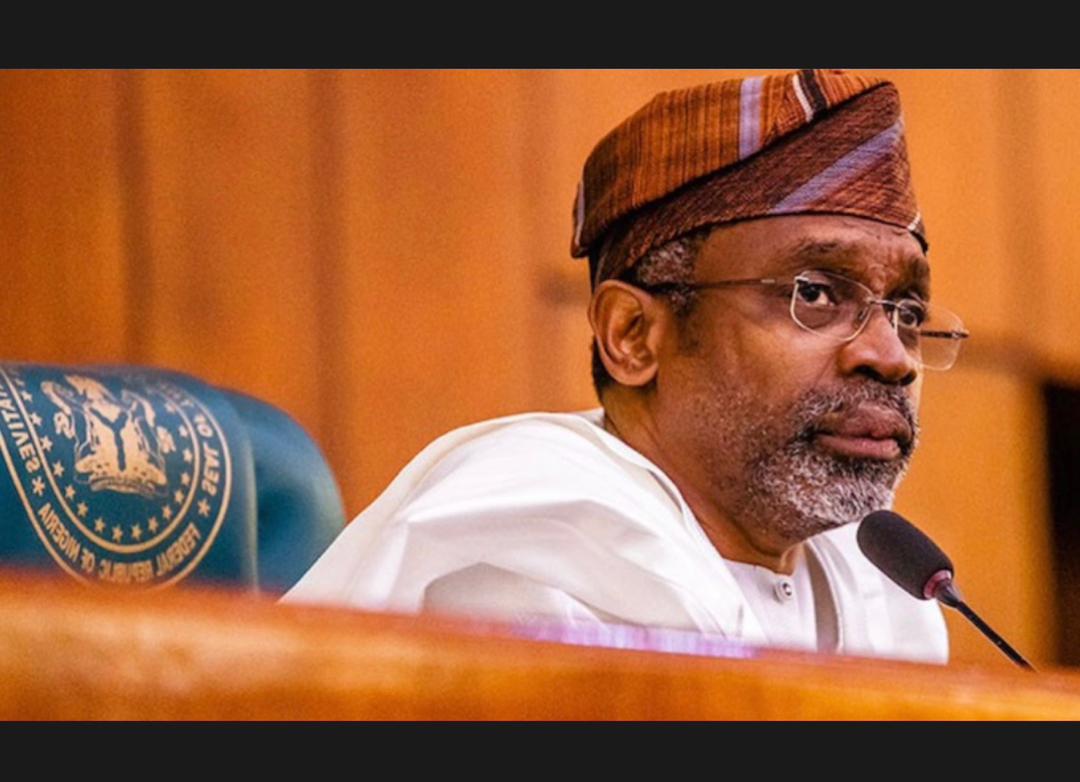
Fresh controversy has erupted after reports emerged that Chief of Staff to President Bola Tinubu, Femi Gbajabiamila, requested special promotions for police officers attached to top politicians and government officials.
The move has sparked debate within security and political circles, with critics raising concerns about alleged interference in the internal promotion process of the Nigeria Police Force.
According to reports by TheCable, Gbajabiamila sent separate letters to the Police Service Commission (PSC) requesting accelerated promotion for eight police officers attached to the President and other senior government figures.
One of the letters reportedly sought the promotion of an Assistant Commissioner of Police to Deputy Commissioner of Police, while others involved officers moving from Chief Superintendent of Police to Assistant Commissioner rank.
In the letters, Gbajabiamila reportedly praised the officers for their dedication, leadership qualities and outstanding performance.
He urged the commission to consider the promotions swiftly in recognition of their service.
However, the development has triggered criticism from some security personnel and observers who argue that police promotions should remain strictly merit-based and independent of political influence.
The controversy has also reopened conversations about the powers of the Police Service Commission under Nigerian law.
The Police Service Commission Act gives the PSC sole authority over the appointment and promotion of police officers, except for the office of the Inspector-General of Police.
Legal analysts and security insiders have questioned whether political figures should directly influence such decisions outside official policy matters.
Reports also linked the latest controversy to previous debates over alleged special promotions within the Tinubu administration.
In 2025, there were similar reactions after reports surfaced that President Tinubu’s aide-de-camp, Nurudeen Yusuf, received rapid military promotions that sparked concerns about hierarchy and fairness within the armed forces.
Some police officers reportedly expressed frustration over what they described as preferential treatment for officers attached to political leaders, while officers fighting insecurity on dangerous frontlines receive little recognition.
One unnamed officer reportedly lamented that personnel risking their lives against insurgents and violent criminals rarely receive such attention or special consideration.
Others warned that if promotions become tied to political connections instead of service and sacrifice, morale within the police and armed forces could be affected negatively.
Despite the growing criticism, there has been no official indication yet that the Police Service Commission has approved the requested promotions.
The development continues to generate reactions online as Nigerians debate the balance between rewarding loyalty and preserving professionalism within the country’s security institutions.
Source: TheCable