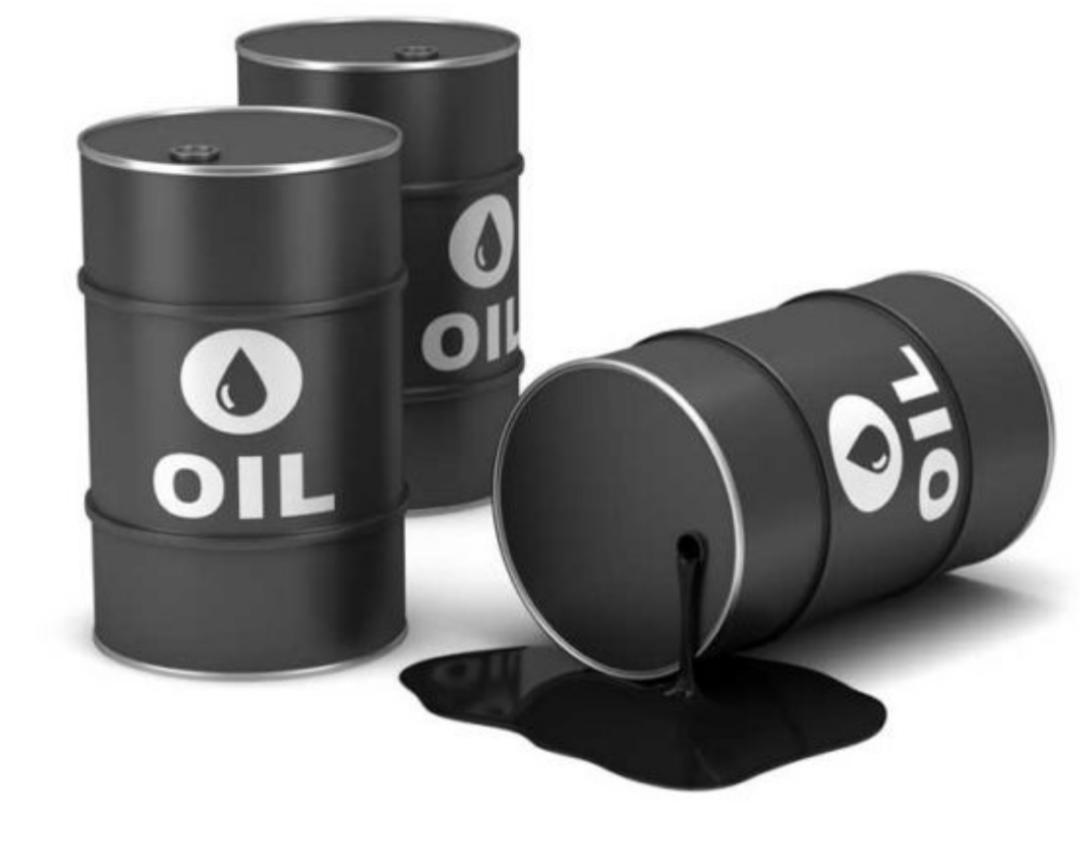
Nigeria’s crude oil price is climbing towards $120 per barrel as tensions between the United States and Iran continue to shake the global energy market.
Data from the Central Bank of Nigeria showed that Bonny Light crude, Nigeria’s premium oil blend, traded around $117 per barrel, moving closer to the levels recorded in April when prices nearly reached $140. Bonny Light traditionally sells above Brent crude due to its high quality.
Global oil prices have jumped sharply from about $70 per barrel since the US-Iran conflict intensified and the Strait of Hormuz — a key route responsible for nearly 20 per cent of global oil shipments — was shut down.
Iran, however, says it has forwarded a fresh response to the latest American peace proposal through Pakistan, which is acting as a mediator in the crisis.
Speaking during a media briefing on Monday, Iranian Foreign Ministry spokesman Esmaeil Baghaei said Tehran had officially delivered its position to Washington through Pakistani intermediaries.
According to him, Iran remains firm on its major demands, including the release of frozen Iranian assets abroad and the removal of sanctions imposed by the United States. He stressed that Tehran’s negotiating team had consistently defended those conditions throughout the talks.
Iran is also demanding compensation for damages caused by the war, an end to the US naval restrictions on Iranian ports, and a complete halt to hostilities across all fronts, including ongoing Israeli military operations in Lebanon.
The United States, on the other hand, wants Iran to scale down its nuclear programme and fully reopen the Strait of Hormuz, a major global route for crude oil and liquefied natural gas exports.
US President Donald Trump increased pressure on Tehran on Sunday, warning that time was running out for Iran to reach an agreement. In a post on Truth Social, Trump declared that Iran must act quickly or face severe consequences.
Iranian news agency Fars reported that Washington recently presented a five-point proposal demanding that Iran enter formal peace talks before military operations could stop. The proposal allegedly included plans for Iran to operate only one nuclear facility while transferring its enriched uranium stockpile to the US.
Earlier negotiations reportedly failed after Iran insisted on maintaining control of the Strait of Hormuz while demanding a total end to military attacks and the lifting of the American naval blockade imposed since April 13.
Fars also claimed that the US rejected Iran’s requests to release part of its frozen funds and provide compensation for war-related destruction.
Meanwhile, US Treasury Secretary Scott Bessent disclosed that he would encourage G7 finance ministers to support tougher sanctions aimed at cutting financial support to Iran.
Reports from Axios also revealed that Trump is expected to meet security advisers on Tuesday to consider possible military options as pressure mounts within his administration and from Israeli Prime Minister Benjamin Netanyahu.
Despite the rising tensions, Baghaei insisted that Iran was fully ready for any further escalation, warning that Tehran would respond decisively to any hostile move from its opponents.