The United States has announced stricter health measures to prevent the spread of Ebola, including enhanced airport screening for travellers arriving from affected African countries.
The new steps were revealed on Monday by the US Centers for Disease Control and Prevention (CDC) following the World Health Organization’s decision to classify the Ebola outbreak in the Democratic Republic of Congo (DRC) as an international public health emergency.
During a media briefing, the CDC’s Ebola response incident manager, Satish Pillai, confirmed that an American citizen working in the DRC had tested positive for the virus after being exposed during work-related activities.
According to him, the individual developed symptoms over the weekend and received a positive test result on Sunday night.
Pillai disclosed that arrangements were being made to transfer the patient to Germany for specialised treatment.
He also revealed that US authorities were working to evacuate six additional people for medical observation and monitoring.
The CDC official stated that about 25 personnel currently work in the agency’s field office in the DRC, adding that another senior technical coordinator would soon be deployed to strengthen response operations.
Despite the growing outbreak, the CDC said the immediate risk to the general American population remains low, although the situation is still being closely monitored.
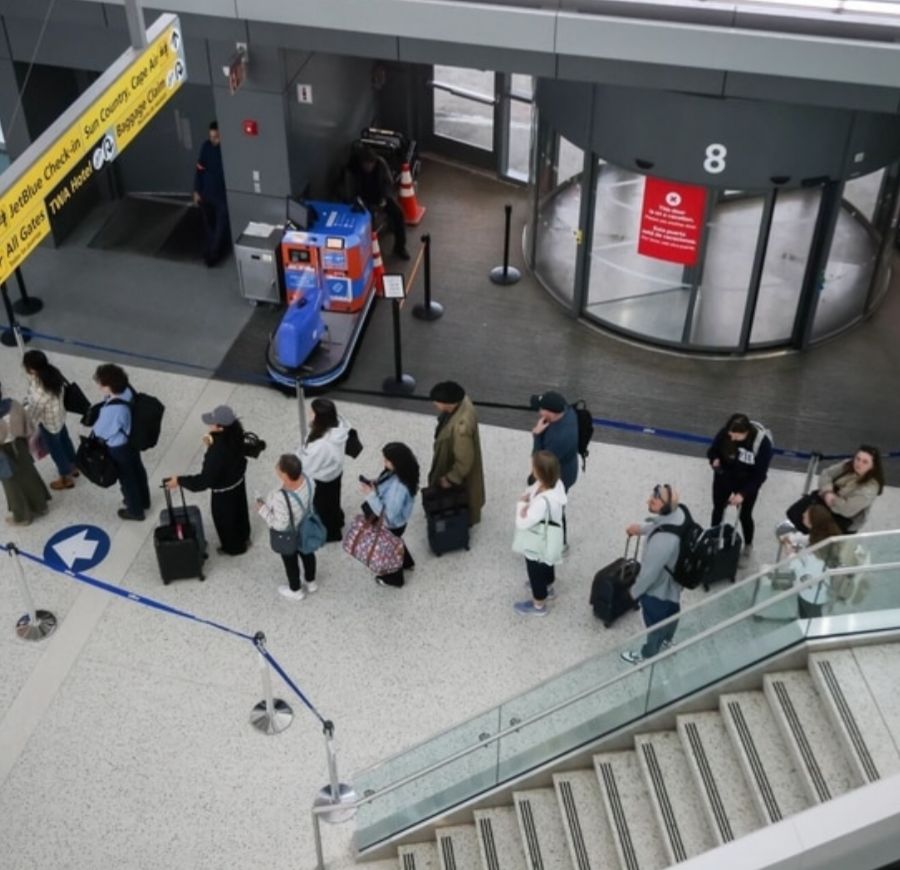
As part of the new precautions, the agency announced that travellers arriving from Uganda, the DRC and South Sudan would face intensified health screening at airports.
The CDC also disclosed plans to impose entry restrictions on non-US citizens who had travelled to any of the three countries within the last 21 days.
Meanwhile, the US Embassy in Kampala, Uganda, confirmed the temporary suspension of visa services, noting that affected applicants had already been informed.
Health authorities said there is currently no approved vaccine or specific treatment for the strain responsible for the latest outbreak of the highly infectious disease.
According to figures released by Congolese Health Minister Samuel-Roger Kamba, at least 91 deaths are suspected to be linked to the current Ebola outbreak.
Authorities have also recorded around 350 suspected cases, with most infections affecting people between the ages of 20 and 39.
More than 60 per cent of reported cases involve women.
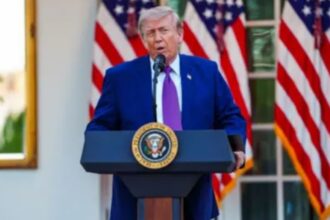
The outbreak has also renewed criticism of the US government’s handling of international health emergencies after President Donald Trump officially withdrew the country from the World Health Organization earlier this year.
Questions have also been raised over the impact of recent cuts to the US Agency for International Development, which previously played a major role in combating Ebola outbreaks in Africa.
CDC officials, however, insisted they are still collaborating with international health partners and authorities in affected countries.
The agency said its response measures include deploying health experts to outbreak zones, assisting with laboratory testing and supporting contact-tracing efforts.
The US State Department also announced an emergency aid package of $13 million to support immediate response operations.
However, Matthew Kavanagh, director of the Georgetown University Center for Global Health Policy and Politics, criticised the US response, arguing that travel restrictions alone would not effectively contain the virus.
He warned that previous Ebola outbreaks were controlled through coordinated efforts involving USAID, the CDC and global health organisations, adding that the current response appeared delayed.
Kavanagh said the administration was now trying to catch up after the outbreak had already spread significantly, including into Uganda’s capital.
(AFP)