Former President Says Nigeria Is Losing Moral Values, Calls For Responsible Leadership Ahead Of 2027 Elections
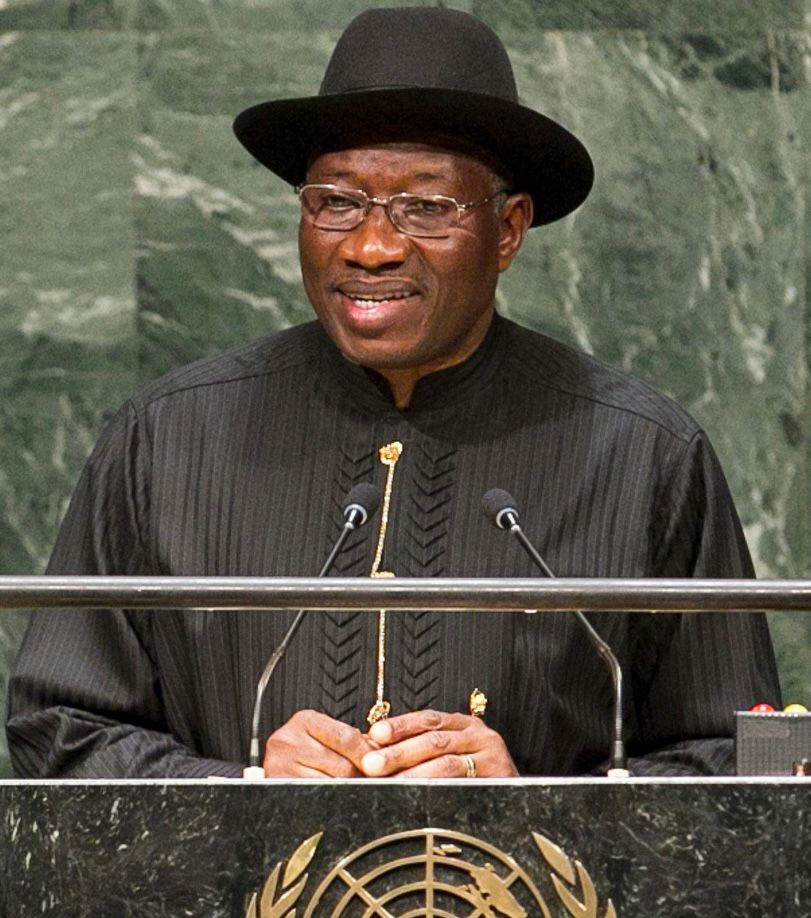
Former President Goodluck Jonathan has raised concern over the worsening state of insecurity and violence in Nigeria, warning that many Nigerians have gradually become used to killings, destruction and bloodshed as though such tragedies were now normal parts of everyday life.
Jonathan made the remarks on Saturday during the first session of the 13th Synod of the Anglican Diocese of Abuja held at St James Anglican Church, Asokoro, where political leaders, bishops, clergy and Christian faithful gathered to discuss national issues and spiritual renewal.
Speaking on the country’s security situation ahead of the 2027 general elections, the former president lamented what he described as the steady collapse of moral values and humanity in Nigeria.
According to him, violent attacks, killings and destruction of communities no longer provoke the kind of national outrage and collective grief they once did in the past.
Jonathan explained that years ago, incidents involving mass killings or insecurity would deeply shock Nigerians and unite citizens in grief and condemnation, but noted that society now appears desensitised to such tragedies.
The former president expressed sadness that communities are being attacked, innocent people killed and properties destroyed while life simply continues as though nothing serious had happened.
He warned that the situation reflects a dangerous decline in the nation’s moral conscience and a growing need for spiritual renewal, ethical leadership and restoration of values.
Jonathan also stressed that the country urgently needs focused and responsible leadership capable of addressing insecurity, rebuilding trust and restoring national unity.
According to him, leadership becomes even more important during difficult periods because societies only progress when people with integrity, courage and vision are willing to speak the truth and put national interest first.
He urged Nigerians to continue praying for leaders while also encouraging collective efforts toward peace, justice and national renewal.
The former president further warned about the growing influence of negative values spread through modern technology and social media platforms.
He explained that many harmful behaviours are now openly celebrated in society while good values and moral discipline receive less attention.
Jonathan insisted that the Church remains one of the few institutions capable of restoring moral standards and guiding society back toward righteousness and responsible living.
He urged religious leaders to continue speaking truth boldly and serving as the conscience of society despite growing social and political challenges.
Also speaking at the event, the Primate of the Church of Nigeria, Anglican Communion, Archbishop Henry Ndukuba, called on the Independent National Electoral Commission and its officials to remain neutral and credible ahead of the 2027 elections.
Ndukuba criticised Nigerian politicians for already focusing heavily on power struggles and election calculations instead of governance and improving citizens’ welfare.
The cleric warned that the continued manipulation of ethnic and religious differences remains one of the major causes of insecurity and violence across Nigeria.
According to him, responsible political participation by people of integrity is necessary if the country hopes to experience genuine transformation and stability.
Ndukuba also raised concerns about Nigeria’s growing debt profile, unstable electricity supply, rising inflation and worsening economic hardship affecting millions of Nigerians.
He stated that although some economic indicators appear to be improving, ordinary citizens are yet to feel the impact of those gains due to rising poverty and high living costs.
The Anglican leader further criticised the handling of Nigeria’s crude oil sector, warning that the country has failed to properly benefit from rising global oil prices due to poor management and controversial policies surrounding crude oil sales.
He also condemned the continued killings and attacks in states such as Plateau, Benue and Kaduna, stressing that Nigeria remains under severe security pressure despite the efforts of security agencies.
Ndukuba, however, urged Nigerians not to lose hope, assuring citizens that the country would eventually overcome its political, economic and security challenges.
Former Primate of the Church of Nigeria, Nicholas Okoh, also called on Christians to remain committed to promoting peace, unity and positive change within society.
According to him, the Church must not lose focus on its responsibility to provide moral direction and national guidance, especially as the country prepares for another election cycle.
Former Anglican Primate Peter Akinola also addressed the gathering, praising the conference while expressing satisfaction that foreign delegates who attended previous Anglican gatherings in Nigeria left with more positive impressions about the country despite negative portrayals often seen internationally.
The event attracted several prominent personalities including former Head of State, General Yakubu Gowon, Ambassador Godknows Igali, bishops, clergy members and Christian delegates from different parts of Nigeria.