Nigeria is facing a deepening poverty crisis, with the European Union warning that the country may have the highest number of people living below the poverty line worldwide. The bloc has also announced nearly €45 million in humanitarian assistance to help vulnerable Nigerians affected by conflict and other emergencies.
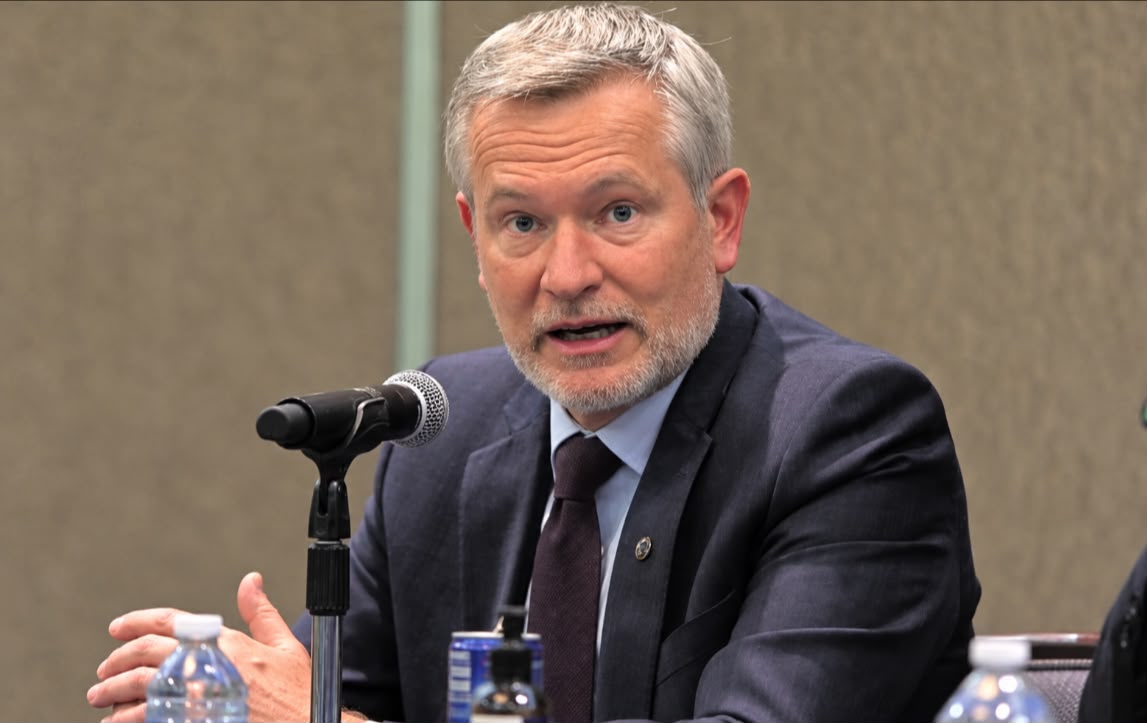
EU Ambassador to Nigeria and the Economic Community of West African States, Gautier Mignot, raised the concern in Abuja during an event marking the 2026 International Day for the Eradication of Poverty.
“Today, Nigeria is probably the country in the world with the highest number of people living under the poverty threshold,” Mignot said.
He described poverty as one of Nigeria’s most pressing challenges, calling for sustained action by the Federal Government, development partners and other stakeholders to improve living conditions across the country.
Mignot cited figures showing that 133 million Nigerians were living in multidimensional poverty in 2022, adding that estimates from various sources suggested the situation had deteriorated since then.
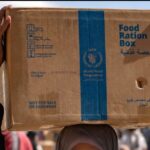
The ambassador disclosed that the European Union had committed almost €45 million in humanitarian aid for Nigeria in 2026, with particular attention to communities affected by conflict and other humanitarian emergencies.
The funding is being delivered through the EU’s humanitarian assistance operations to provide support in crisis-hit areas.
According to Mignot, the bloc is working with Nigerian authorities, humanitarian organisations, development partners and local communities to ensure that emergency assistance also contributes to lasting solutions.
He explained that while humanitarian aid addresses immediate suffering, long-term development programmes are necessary to help people escape poverty permanently.
EU Supports Nigeria’s Social Protection Programmes
Speaking on the event’s theme, United for Peace and Human Rights, Safe Homes for All, Mignot stressed that efforts to reduce poverty would struggle to succeed without peace, security and respect for human rights.
He noted that families unable to afford basic necessities could hardly feel secure or fully enjoy their fundamental rights.
The ambassador acknowledged the Federal Government’s efforts to support vulnerable citizens through social investment initiatives, cash transfers, livelihood assistance and stronger social protection systems.
Among the programmes he highlighted were the National Social Safety Net Programme, the Nigeria Community Action for Resilience and Economic Stimulus, and the Renewed Hope Social Protection Programme.
He also pointed to the Household Prosperity and Empowerment Social Protection Project, supported through Nigeria’s partnership with the World Bank, which is expected to improve assistance to vulnerable households and strengthen their ability to withstand economic shocks.
The EU is complementing these efforts through its Supporting Sustainable Social Protection Systems in Nigeria programme.
The initiative works with government institutions and partners, including UNICEF, GIZ, the International Labour Organisation, ActionAid and Oxfam.
Mignot said the programme covers Abia, Benue, Oyo, Sokoto, Kebbi, Adamawa and Borno states.
Its activities include improving social protection policies, expanding registers used to identify poor and vulnerable households, and strengthening data systems to help authorities plan and allocate resources more effectively.
He explained that multidimensional poverty assessments allow governments to identify overlapping challenges affecting people’s education, healthcare, nutrition and living conditions, helping them direct assistance where it is most needed.
The EU has also supported the review of Nigeria’s National Social Protection Policy, the development of state-level policies and the preparation of a Social Protection Bill.
EU Calls for Lasting Solutions to Poverty
Mignot urged stronger coordination between emergency relief and long-term development efforts, warning that poor households are particularly vulnerable when crises occur, including emergencies involving severe acute malnutrition.
He also welcomed efforts to gradually transfer greater responsibility for funding and coordinating humanitarian assistance to Nigerian authorities at federal, state and local levels.
The ambassador commended the Minister of Humanitarian Affairs and Poverty Reduction, Bernard Doro, for his efforts and reaffirmed the EU’s commitment to supporting Nigeria’s poverty reduction initiatives.
He stressed that meaningful progress would require a sustained, coordinated approach involving government agencies, civil society groups, local communities and international partners.
“Humanitarian needs cannot wait, and poverty either,” Mignot said, urging stakeholders to treat poverty reduction as a continuous priority rather than an occasional campaign.