The United Nations World Food Programme (WFP) has announced plans to end monthly food assistance for 500,000 people in Gaza due to a funding shortfall, despite continuing humanitarian needs in the war-battered Palestinian territory.
Following the cuts, approximately 1.1 million Palestinians in Gaza, around half the population, will continue receiving food or cash assistance from the agency each month, but in reduced amounts.
The WFP said on Monday that its interventions had helped mitigate the effects of famine conditions reported in Gaza last year, although Israel disputed the famine assessment. The agency warned that humanitarian conditions had not improved enough for it to withdraw assistance.
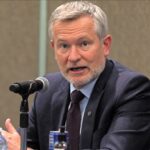
“People are not safe. Airstrikes continue on a daily basis. People continue to be displaced,” Shaun Hughes, the WFP country director, told AFP at the agency’s office in east Jerusalem.
“Almost everybody remains without a permanent home to live in. And the humanitarian conditions are brutal,” he added.
According to the latest assessments, 1.4 million people, representing about two-thirds of Gaza’s population, remain “acutely food insecure” and require humanitarian assistance to survive, Hughes said.
In August last year, the United Nations-backed Integrated Food Security Phase Classification declared that Gaza was experiencing famine conditions. Israel, which has blockaded the territory and continued military operations since Hamas launched its unprecedented attack on October 7, 2023, rejected the finding as a lie.
The famine classification was lifted in December, two months after a US-brokered ceasefire was announced in Gaza. However, Israel has continued striking the territory since the ceasefire, saying it intends to kill those involved in the October 7 attack.
Following the ceasefire, the WFP expanded its operations and reached between 1.5 million and 1.8 million people monthly.
“This has been a lifeline. But now, rather than being able to sustain and scale up that assistance, we’re actually having to reduce it,” Hughes said.
“And that’s not because we don’t have humanitarian access to deliver food; that’s because we don’t have funding.”
Families to Receive Smaller Food Packages and Cash Payments
Beyond reducing the number of beneficiaries, the WFP is also cutting the amount of assistance provided to households that remain on its programme.
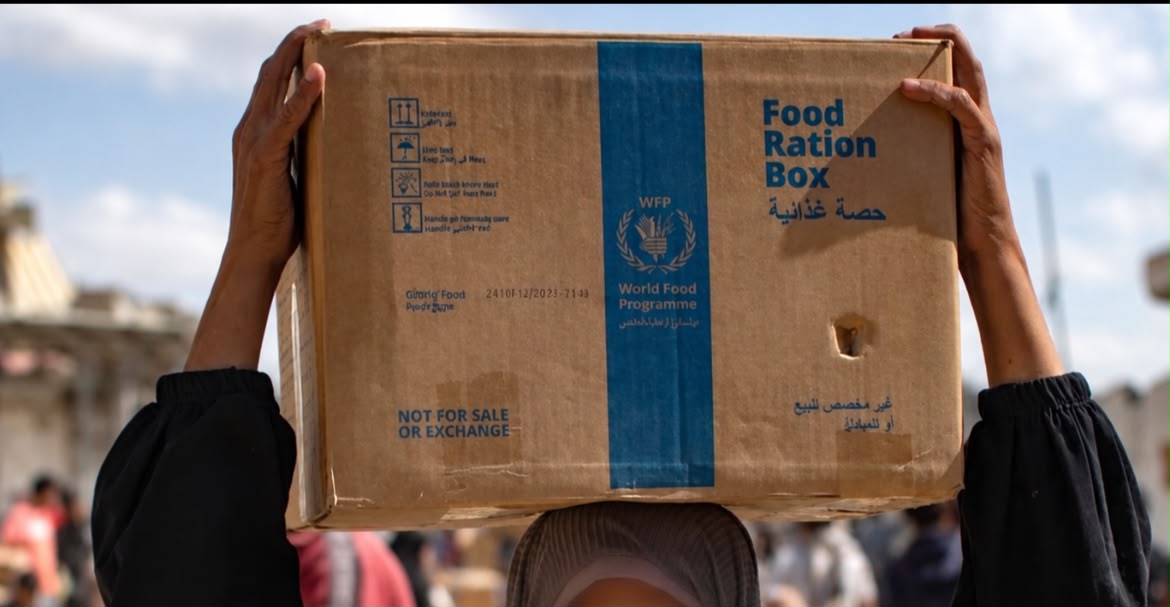
Under the revised arrangement, families receiving food assistance will get one food parcel instead of two, alongside a smaller bag of wheat flour, according to an operational note from the agency.
Meanwhile, approximately 75,000 families receiving cash assistance will see their monthly payments reduced from 1,250 shekels to 750 shekels, equivalent to a drop from about $400 to $240.
The WFP relies on contributions from governments and private donors. However, the agency has experienced a sharp decline in funding, including following US President Donald Trump’s return to power and his administration’s significant cuts to contributions to UN agencies and bilateral aid programmes.
The agency estimates that it needs approximately $450 million over the next six months to support its operations in Gaza and the West Bank. However, it has received only about half of its usual funding for the Palestinian territories in 2026.
In September, the WFP also cut the number of people receiving assistance in the West Bank by half, reducing its beneficiaries from 400,000 to 200,000. Israel has occupied the territory since 1967.
“Now is not the time in the history of Palestine and Gaza to turn away from what is happening in Gaza,” Hughes said.
Although the WFP says conditions in Gaza have improved moderately, it warned that humanitarian needs could increase again as winter approaches.
Israel has allowed more goods into Gaza under the terms of the Trump-brokered ceasefire but continues to impose significant restrictions on supplies considered to have potential military uses. According to the United Nations, these restrictions have even affected shipments of prosthetic limbs.
Since the Gaza war began, Israel has also intensified its longstanding criticism of the United Nations, accusing the organisation of bias and of perpetuating Palestinian dependence on humanitarian assistance.
Source: AFP