Inflation in the eurozone rose to 3.3 per cent in August, its highest level in three years, as the ongoing war in the Middle East pushed energy costs higher, official data showed on Tuesday.
The figure, released by the European Union’s statistical office, Eurostat, increased sharply from 2.9 per cent in July and matched analysts’ expectations.
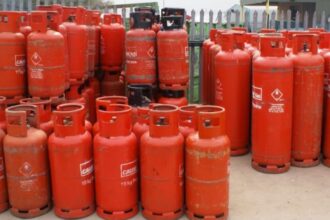
Energy recorded the biggest increase among the major components of inflation, with prices rising 14.3 per cent in August, compared with 10.3 per cent in July.
The surge has been linked to the US war against Iran and the near-total closure of the Strait of Hormuz, a major route for global energy shipments.
Leo Barincou of Oxford Economics said inflation was likely to remain above the European Central Bank’s (ECB) 2 per cent target into next year.
“Higher gas and food prices put additional upward pressure on the index,” he said.
ECB Rate Hike Expected
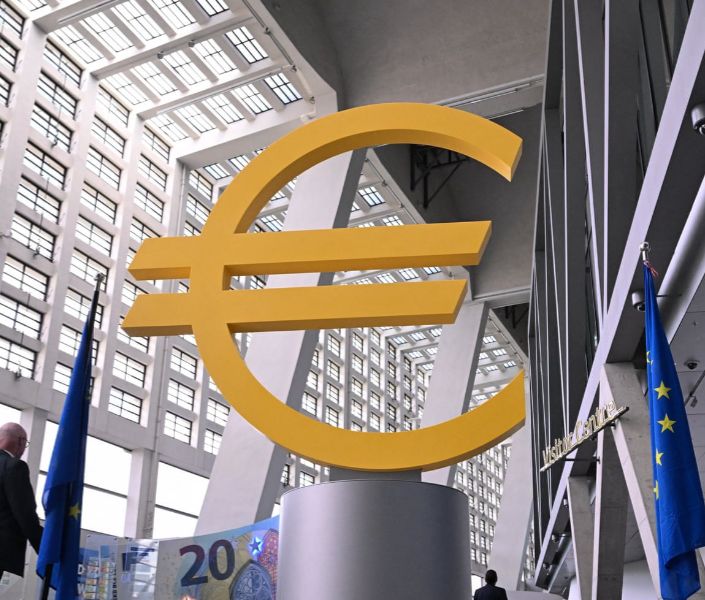
The latest inflation figures have strengthened expectations that the ECB will raise interest rates again at its September 10 meeting, following its first hike in June.
ECB President Christine Lagarde had warned in July that the energy shock caused by the conflict could intensify further.
Moody’s Analytics economist Kamil Kovar also expects another rate increase, although uncertainty remains over whether the move would be followed by another hike in December.
“The broad-based increase in energy prices — not just transport fuel, but also gas and now even electricity — is playing in hawks’ favour,” Kovar said.
Core Inflation Remains Stable
Core inflation, which excludes volatile energy and food prices, remained relatively stable.
It eased to 2.4 per cent in August, after rising slightly to 2.5 per cent in July.
Food and drink inflation remained unchanged at 1.2 per cent.
The eurozone last recorded inflation at 3.3 per cent or higher in September 2023, when inflation stood at 4.3 per cent.
At that time, consumer price increases were declining from a peak of 10.6 per cent in October 2022, following an energy-price shock linked largely to Russia’s invasion of Ukraine.
The latest increase highlights the renewed pressure energy prices are placing on European consumers and the ECB as policymakers attempt to bring inflation back towards its 2 per cent target.
Source: AFP.