Kenya has recorded its second Ebola-related death after a 65-year-old woman died while in quarantine, raising fresh concerns as the outbreak continues to spread across parts of Africa.
The Kenyan Ministry of Health announced the death late on Friday, October 23, revealing that the woman had developed symptoms while in quarantine. She was a close relative of a Kenyan man who died from the disease earlier this month.
According to the ministry, the woman was among the direct contacts of the country’s first confirmed Ebola patient, who travelled from the Democratic Republic of the Congo (DRC) to Nairobi and died at a hospital on October 5.
Since the first case was identified, Kenyan health authorities have traced 135 contacts and placed them in quarantine. Nine Ebola cases have been confirmed in the country so far.
“This loss brings the number of deaths to two among the nine confirmed cases. The remaining seven patients continue to receive care in the two isolation facilities,” the ministry said.
Authorities added that there was currently no evidence of community transmission in Kenya.
The outbreak, which originated in the Democratic Republic of the Congo, has now been reported in four countries across eastern, central and western Africa. The spread has given the outbreak the widest geographical reach recorded for an Ebola outbreak on the continent to date.
The situation has also prompted international travel concerns. On Monday, the United States Department of State advised Americans to reconsider travelling to Kenya and raised the country’s travel advisory level because of health risks.
Nigeria also confirmed an Ebola case on Tuesday, becoming the fourth African country to report an infection linked to the current outbreak. Nigerian health officials have been investigating how and where the patient contracted the virus, as she had not travelled to the Democratic Republic of the Congo.
The Ebola outbreak in the DRC has infected nearly 10,000 people and caused more than 4,600 deaths, according to the supplied report.
Ebola is a serious infectious disease that can cause fever, vomiting and diarrhoea, with severe cases sometimes resulting in internal and external bleeding. People who develop symptoms can transmit the virus to others.
Health authorities face additional challenges because the rare Ebola species responsible for the current outbreak has no approved specific treatment or vaccine.
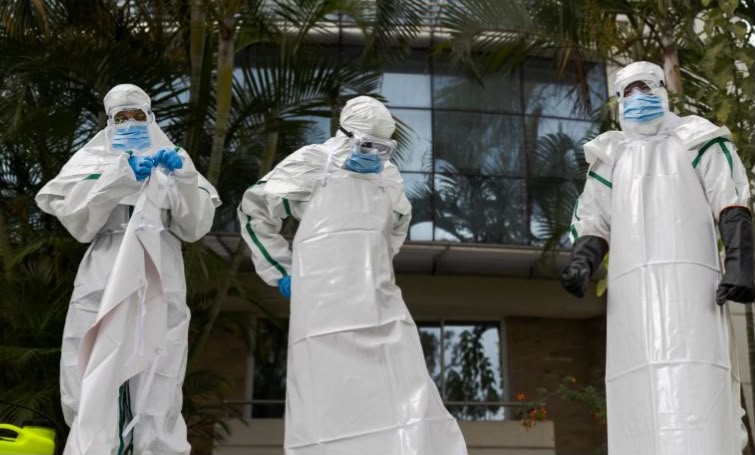
With cases reported in multiple African countries, health officials continue to focus on identifying contacts, isolating infected patients and monitoring people who may have been exposed to the virus.