The Federal Government says Nigeria’s economy is on course to grow by more than four per cent in 2026, with foreign reserves surpassing $54 billion and inflation falling to around 15 per cent as the administration of President Bola Tinubu continues its economic reforms.
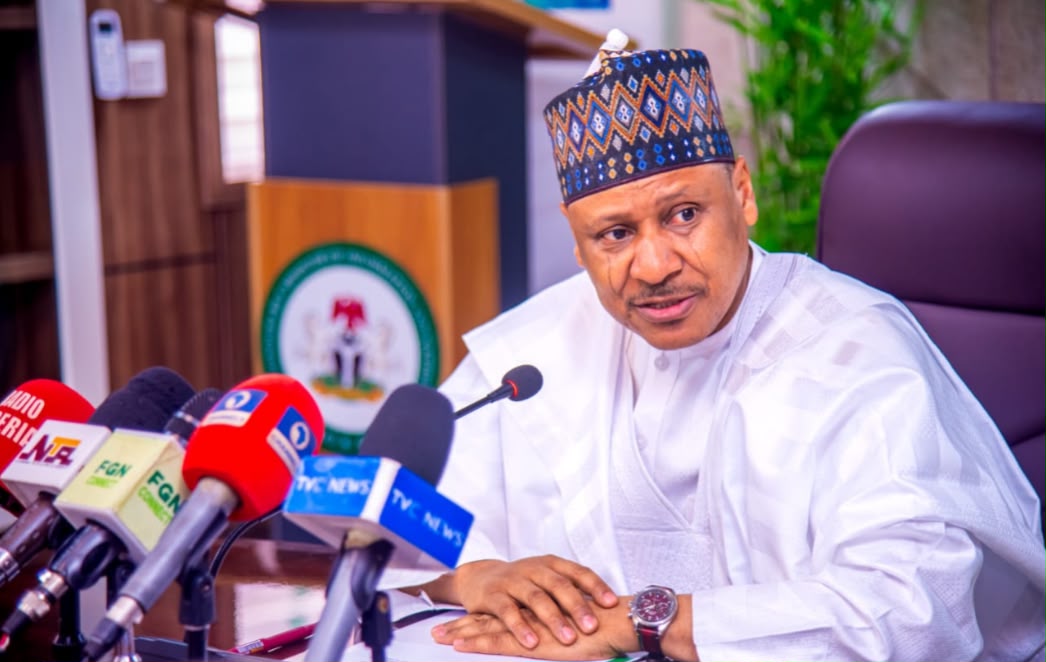
Minister of Information and National Orientation, Mohammed Idris, disclosed the figures on Monday during a media chat on the state of the nation, describing them as signs of improving economic conditions. He said the government’s priority was to ensure that the progress recorded in key economic indicators translates into better living standards for Nigerians.
Idris revealed that Nigeria recorded a current account surplus of $12 billion in the first half of 2026, compared with $8.6 billion during the same period in 2025. He added that foreign reserves reached their highest level in nearly two decades in September.
According to the minister, inflation has declined from approximately 27 per cent in January 2025 to about 15 per cent, although the government intends to bring it down to single digits.
“The progress we have made is substantial, and the direction is clear. The reforms have strengthened our economic fundamentals, rebuilding confidence and creating the conditions for broader prosperity. We are determined to consolidate these gains and accelerate their impact across the country,” he said.
The minister also disclosed that Nigeria generated more than $6 billion from non-oil exports in 2025, describing the figure as the highest in the country’s history. He attributed the performance to activities across agriculture, mining, petrochemicals, manufacturing, processing, transportation and logistics.
Idris further said increased crude oil production and reduced oil theft had improved revenue available for distribution among the federal, state and local governments. However, he acknowledged that more needed to be done to ensure that economic improvements were reflected in household purchasing power, food prices and the cost of essential goods.
“Our task now is to ensure that this clear macroeconomic recovery is felt even more widely in the lives and households of Nigerians, on the dining table, in shops and markets, at the petrol station, and in pockets and wallets of all Nigerians. I am pleased to say that work is indeed underway in this regard,” he said.
On infrastructure, Idris said the government was investing in roads, railways, electricity, healthcare and education. He highlighted four major projects covering approximately 3,000 kilometres across Nigeria’s six geopolitical zones as part of the administration’s development plans.
He also cited a recently approved highway project valued at about ₦1.53 trillion in Niger State, saying the road would strengthen connections along an important agricultural and commercial corridor, improve the movement of goods and create opportunities for local businesses.
In agriculture, the minister said the government was supporting mechanisation, improving access to farm inputs, expanding irrigation and providing agricultural financing to increase domestic food production, raise farmers’ incomes and make food more affordable.
For healthcare, Idris disclosed that two additional cancer treatment centres had been commissioned, bringing the total number commissioned to five. He added that the government was working towards commissioning five other completed centres to improve access to specialised medical treatment.
The minister also reported progress in education financing, stating that the Nigerian Education Loan Fund had supported more than 1.6 million students, paid over ₦102 billion in tuition fees and disbursed approximately ₦180 billion in upkeep allowances.
On pension obligations, he said the government had issued a ₦758 billion bond to settle inherited pension arrears dating back to 2007, benefiting nearly one million pensioners. Another ₦1.23 trillion in bonds had been issued to address inherited debts owed to electricity generation and gas companies.
Idris added that government social protection programmes were reaching more than 10 million households, while consumer credit initiatives were helping Nigerians spread the cost of essential purchases.
On security, the minister said the administration had strengthened the capacity of the armed forces, intelligence services and other security agencies through improved coordination, equipment, logistics and support for frontline personnel. He acknowledged that insecurity remained a challenge in some parts of the country, assuring Nigerians that investments in intelligence, technology and operational capabilities would continue.
The minister also called on state and local governments to improve service delivery in areas such as education, primary healthcare, transportation and waste management, stressing the importance of cooperation across all levels of government.
He urged journalists to continue holding the government accountable while providing context on national challenges and the progress being made.
“We are not asking to stop scrutinising government. Indeed, you are an important pillar in any democratic journey. Your seeking scrutiny makes us better. What I ask for is clarity and context,” Idris said.
Meanwhile, the Special Adviser to the President on Information and Strategy, Bayo Onanuga, raised concerns about the spread of misinformation, saying mainstream media organisations were increasingly contributing to the problem previously associated largely with social media platforms.
Onanuga urged journalists to ensure their reports were factual, accurate and properly verified, emphasising the need to maintain professional standards and confirm information before publication.
He also called on the media to extend its scrutiny of multidimensional poverty and other social challenges to state and local governments, arguing that responsibility for improving citizens’ living conditions rests with every tier of government, particularly in the delivery of essential services.
Source: Federal Government briefing